GAO Report Highlights Challenges in U.S. Navy Shipbuilding
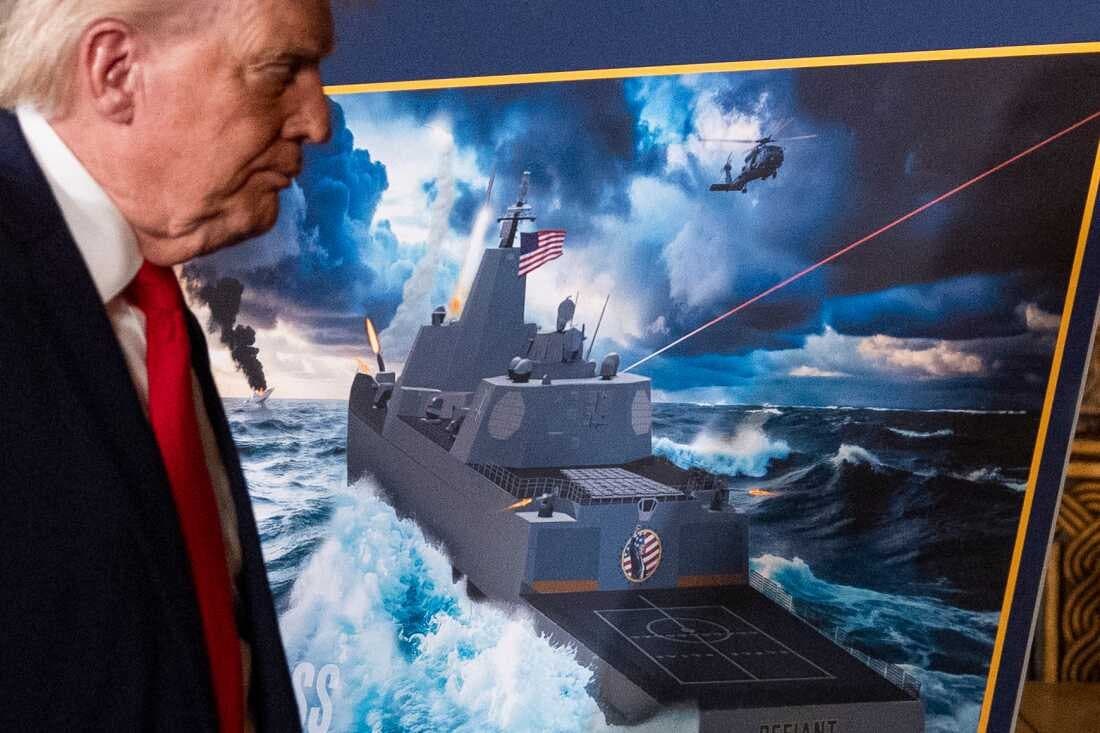
As the U.S. Navy contemplates the construction of a new class of battleships, dubbed the "Trump Class," questions arise regarding the feasibility of completing such a project within a tight timeline of 2.5 years. This inquiry comes in light of recent findings from the Government Accountability Office (GAO), which reveal that the average time taken for Navy lead ships to transition from contract award to fleet delivery has ranged between 8 to 19 years since 2007.
Key Details
The Constellation-class frigate, which is currently under development, has already encountered significant delays. Initially contracted several years ago, the first ship of this class is now projected to be delivered a full seven years later than originally planned, due to over three years of setbacks. This project utilized an existing design to expedite the process, yet it still faced substantial delays.
In comparison, the Zumwalt-class destroyers, which are smaller vessels weighing approximately 15,000 tons, experienced their own set of challenges. Each destroyer took between 5 to 7 years to build, plagued by massive cost overruns and difficulties in integrating advanced technologies. These issues have raised concerns about the Navy"s ability to manage shipbuilding timelines and budgets effectively.
The GAO"s findings underscore a broader trend in naval shipbuilding, highlighting systemic inefficiencies. The report indicates that since 2007, the average time for Navy lead ships to go from contract award to delivery has consistently ranged from 8 to 19 years. This lengthy timeline raises questions about the Navy"s capacity to meet modern maritime challenges in a timely manner.
Background
The U.S. Navy has been grappling with shipbuilding delays and cost overruns for years, impacting its operational readiness and strategic capabilities. The Constellation-class frigate and the Zumwalt-class destroyers serve as prime examples of these ongoing issues. The Constellation-class is intended to replace the aging fleet of frigates and is designed to operate in a variety of combat scenarios, while the Zumwalt-class was developed with advanced stealth capabilities and cutting-edge technology.
Despite the Navy"s efforts to streamline the design and construction processes, the historical challenges in shipbuilding have persisted. The reliance on existing designs, as seen with the Constellation-class, is a strategy aimed at reducing construction time, yet it has not fully mitigated the delays experienced in the past.
What"s Next
The ambitious goal of constructing the Trump Class battleship within 2.5 years raises significant concerns given the Navy"s historical performance in shipbuilding. As the Navy seeks to modernize its fleet and enhance its capabilities, it will need to address the underlying issues that have led to prolonged timelines and budgetary challenges. The future of naval shipbuilding will likely depend on the Navy"s ability to implement effective management strategies and foster collaboration with shipbuilders to ensure timely delivery of vessels.
In light of these challenges, stakeholders will be closely monitoring the Navy"s progress on the Constellation-class frigate and any future developments related to the Trump Class battleship. The implications of these projects extend beyond mere timelines; they are critical to maintaining the United States" maritime dominance and ensuring national security in an increasingly complex global landscape.
For more insights on related topics, see our coverage of recent developments in political affairs and their potential impact on defense policy.