US Sanctions EU Official Thierry Breton Over Threats to Elon Musk
On December 23, 2025, the United States government announced a series of sanctions against several European officials and organizations, primarily targeting Thierry Breton, the European Commissioner for the Internal Market. The sanctions stem from Breton"s alleged threats directed at Elon Musk, CEO of X (formerly Twitter), prior to Musk"s scheduled interview with former President Donald Trump. This development highlights escalating tensions between the US and the European Union regarding digital content regulation and free speech.
Key Details
Thierry Breton, who played a pivotal role in the formulation of the European Union"s Digital Services Act (DSA), is at the center of this controversy. Under Secretary of State Sarah Rogers detailed in a statement that Breton had "ominously reminded Musk of X’s legal obligations" before the interview with Trump. The DSA is a significant piece of legislation aimed at regulating online content, particularly concerning "illegal content" and "disinformation." Breton"s comments reportedly referenced ongoing "formal proceedings" against Musk"s platform for alleged noncompliance with these regulations.
In addition to Breton, the sanctions list includes several other individuals associated with organizations focused on combating online hate and disinformation. These individuals are:
- Imran Ahmed, CEO of the Center for Countering Digital Hate, an organization that works to combat online hate and misinformation.
- Clare Melford, associated with the Global Disinformation Index, which aims to reduce the impact of disinformation online.
- Anna-Lena von Hodenberg, a representative from HateAid, an organization dedicated to supporting victims of online hate.
- Josephine Ballon, also affiliated with HateAid, contributing to efforts against online harassment and hate speech.
The sanctions against these individuals reflect a broader strategy by the US to push back against what it perceives as censorship and overreach by European authorities in regulating digital platforms. The implications of these sanctions could affect diplomatic relations between the US and EU, particularly in the realm of digital policy and free speech.
Background
The Digital Services Act, which Breton helped to develop, aims to create a safer online environment by imposing stricter regulations on tech companies regarding the handling of illegal content and disinformation. The act has been controversial, with critics arguing that it could infringe on free speech rights and lead to excessive censorship. Breton"s recent actions, particularly his warnings to Musk, have intensified debates surrounding the balance between regulating harmful content and protecting free expression online.
The tensions between the US and EU over digital content regulation are not new. Previous reports have highlighted concerns from American tech companies regarding the potential for European regulations to stifle innovation and limit user freedoms. This latest round of sanctions may further complicate these discussions, as both sides navigate the complex landscape of digital governance.

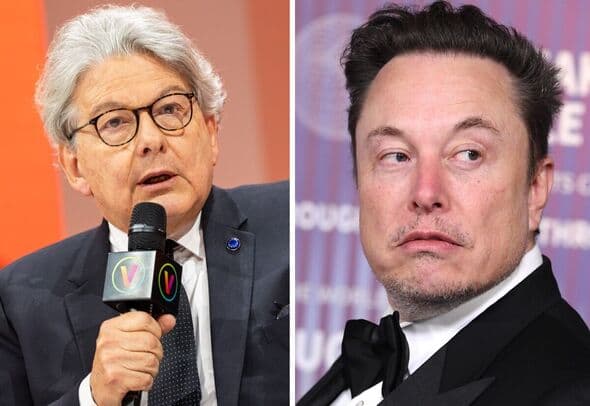
Image for US sanctions EU official Thierry Breton over threats to Elon Musk
What"s Next
The sanctions imposed by the US may lead to retaliatory measures from the European Union, potentially escalating the conflict over digital regulation. As both sides continue to grapple with the implications of the Digital Services Act, the future of transatlantic relations in the digital space remains uncertain. The actions taken against Breton and others signal a significant shift in how the US is willing to respond to perceived threats against its digital platforms and free speech principles.
For further context on related developments, see our coverage on Dr. Fauci"s warnings about the normalization of untruths and recent developments in political tensions in Europe.