German Antifa Group Claims Responsibility for Terrorist Attack in Berlin
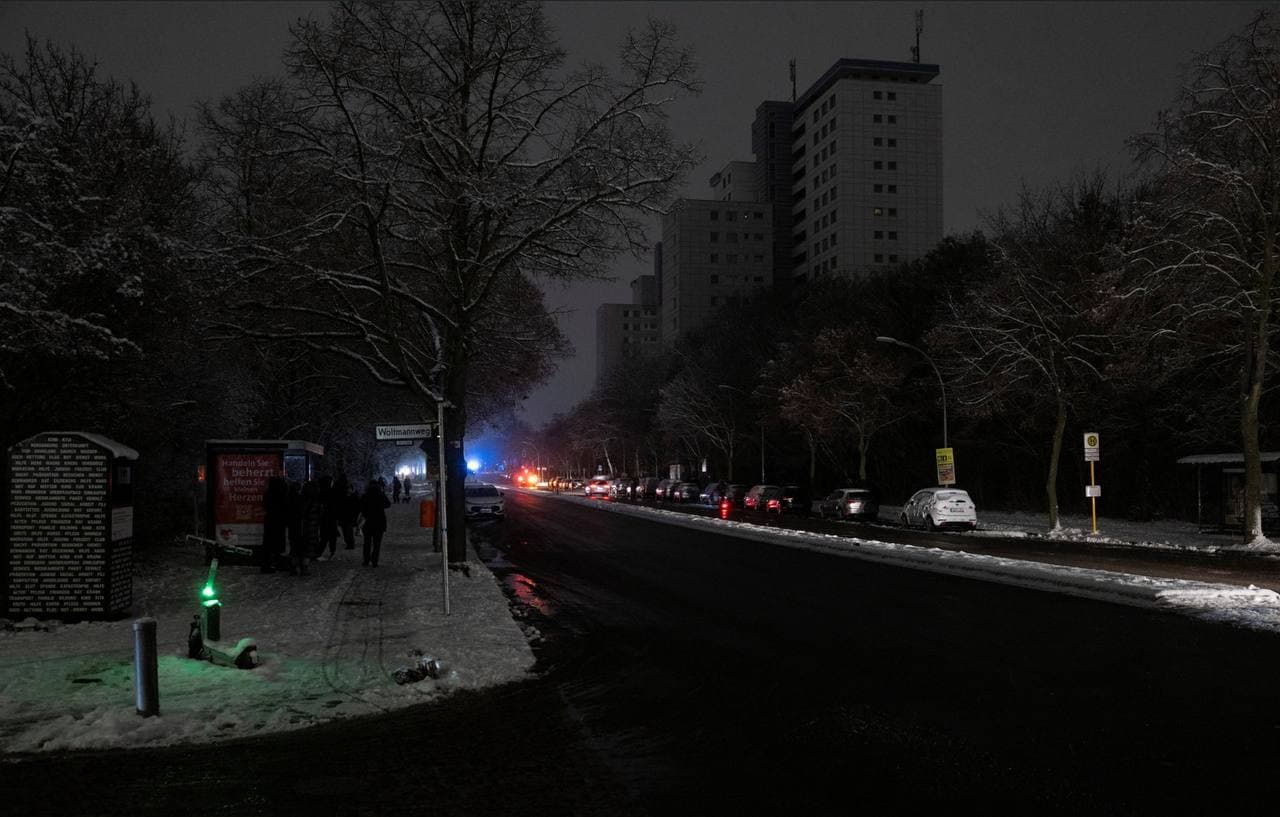
On Saturday morning, January 3, 2026, a terrorist attack in Berlin, Germany, targeted a critical power transmission line, resulting in widespread power outages affecting tens of thousands of residents. The attack occurred during a severe cold spell, leaving many households without electricity and heating, as reported by the German news outlet Tagesspiegel.
Key Details
The radical Antifa group, which identifies itself as "Vulkan," has claimed responsibility for the attack. In a manifesto released by the group, they characterized the act as an "act of self-defense" and a protest against the use of fossil fuels and the increasing reliance on artificial intelligence. This statement reflects a broader ideological stance against what they perceive as environmental and technological threats. The attack involved setting fire to a cable bridge that spans the Teltow Canal, connecting to the Lichterfelde power plant. The perpetrators utilized incendiary devices placed strategically beneath the cables, which ignited a prolonged blaze characterized by high temperatures. To exacerbate the damage, the attackers employed metal rods to deliberately short-circuit the burned wires, intensifying the destruction. As a direct consequence of this attack, five high-voltage cables and ten medium-voltage cables were severely damaged. Initially, approximately 45,000 households in the southwestern districts of Berlin were left without power. The timing of the attack was particularly detrimental, as it coincided with freezing temperatures, leaving residents not only without electricity but also without heating. This disruption extended beyond residential areas, impacting mobile communications and emergency services in the affected regions. Restoration efforts have faced significant delays due to the technical complexities involved in repairing the damaged infrastructure. The affected cables consist of various types that require specialized conditions for reconnection. Typically, such repairs can take up to five weeks; however, emergency crews are currently working around the clock to expedite the restoration process, aiming to restore power within five days.
Background
The incident highlights the growing tensions surrounding environmental activism and the methods employed by radical groups. The Antifa movement, known for its anti-fascist stance, has increasingly engaged in direct action tactics, which some classify as terrorism when they involve violence or destruction aimed at achieving political goals. The attack on Berlin"s power infrastructure underscores the potential risks posed by extremist groups to public safety and essential services.
Impact
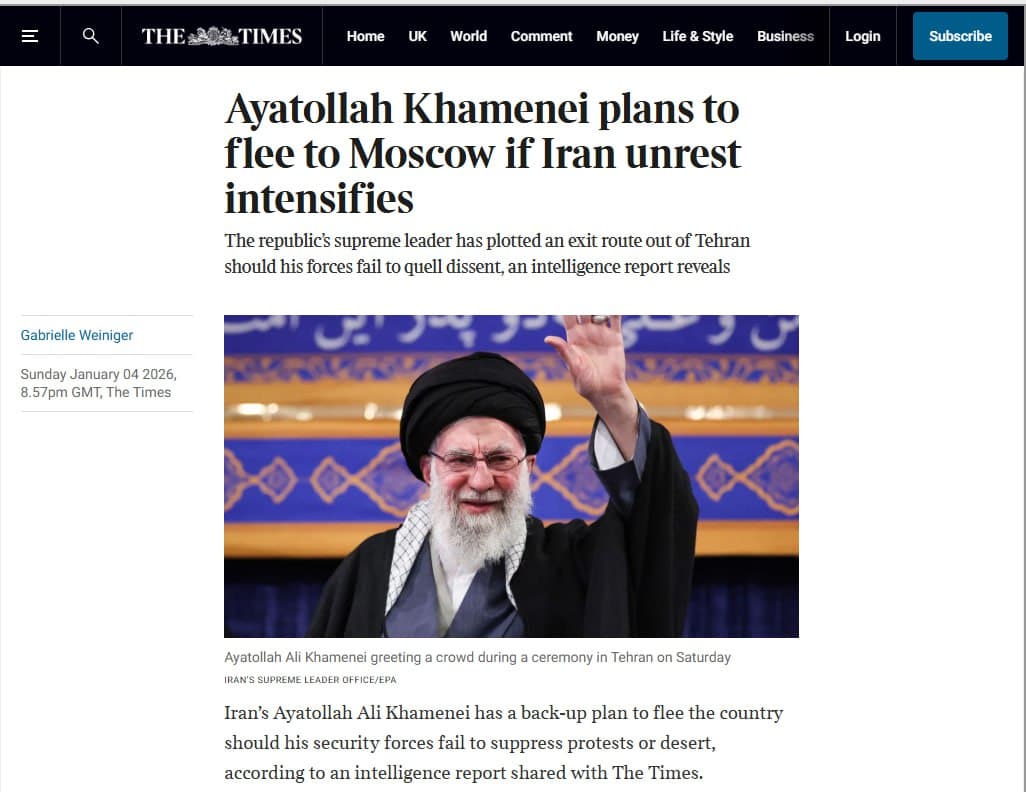
The immediate impact of the attack has been significant, with thousands of residents experiencing power outages during a critical time of year. The disruption of emergency services and mobile communications raises concerns about public safety and the ability of authorities to respond effectively to emergencies. As restoration efforts continue, the incident may prompt discussions about security measures for critical infrastructure and the need for a coordinated response to prevent similar attacks in the future. In light of this event, it is essential to monitor the evolving situation and the responses from both law enforcement and community leaders. The incident in Berlin parallels other recent developments in global politics, such as the ongoing anti-regime protests in Iran, which have also seen significant unrest and violence. For more information on related coverage, see our report on
recent developments in Iran. As the investigation into the attack unfolds, the implications for public policy, security, and community resilience will likely be significant. The authorities will need to address both the immediate consequences of the attack and the broader societal issues that contribute to such radical actions.
![[Video] Venezuelan president-elect Edmundo González calls on armed forces to uphold Constitution](/_next/image?url=%2Fapi%2Fimage%2Fthumbnails%2Fthumbnail-1767592852730-34uikk-thumbnail.jpg&w=3840&q=75)
![[Video] Venezuelan president-elect Edmundo González calls for release of political prisoners](/_next/image?url=%2Fapi%2Fimage%2Fthumbnails%2Fthumbnail-1767591641065-xx1n3r-thumbnail.jpg&w=3840&q=75)
![[Video] Trump states US needs Greenland for national security and EU support](/_next/image?url=%2Fapi%2Fimage%2Fthumbnails%2Fthumbnail-1767600647188-tlpaxr-thumbnail.jpg&w=3840&q=75)