
Governor Tim Walz Deploys National Guard Amid Protests Over ICE Shooting
On January 8, 2026, Minnesota Governor Tim Walz authorized the deployment of the Minnesota National Guard to assist local law enforcement in response to escalating protests triggered by a deadly shooting involving Immigration and Customs Enforcement (ICE) agents. The protests erupted in Minneapolis, Minnesota, following the incident that has drawn significant public attention and unrest.
Key Details
Governor Tim Walz, a member of the Democratic-Farmer-Labor Party, made the decision to deploy the National Guard as tensions rose in the community. The protests were sparked by the shooting of an individual by ICE agents, which has raised concerns about the agency"s practices and its impact on immigrant communities. While specific details about the shooting incident were not disclosed in the original report, it is clear that the event has intensified discussions surrounding immigration enforcement and public safety.
According to reports from CNN, the deployment aims to provide support to local law enforcement agencies as they manage the protests and maintain order. The involvement of the National Guard is indicative of the seriousness of the situation, as protests have the potential to escalate into violence, as seen in other recent developments across the country.
In the wake of the shooting, community members have expressed their outrage and called for accountability regarding ICE"s actions. The protests have included marches and demonstrations, with participants voicing their demands for justice and reform in immigration enforcement practices. The situation in Minneapolis mirrors similar situations in other cities where tensions between law enforcement and communities of color have led to widespread protests.
Background
The Minnesota protests are part of a broader national conversation about immigration policy and law enforcement"s role in communities. ICE has faced criticism for its tactics and the impact of its operations on immigrant families. The agency"s actions have often been met with public outcry, particularly in urban areas with significant immigrant populations. The shooting incident that triggered the protests is a stark reminder of the ongoing tensions between law enforcement and communities affected by immigration enforcement.
Protests against ICE and its practices have occurred in various parts of the United States, highlighting the need for dialogue and reform in immigration policies. The deployment of the National Guard by Governor Walz reflects the state"s commitment to ensuring public safety while addressing the concerns raised by community members.
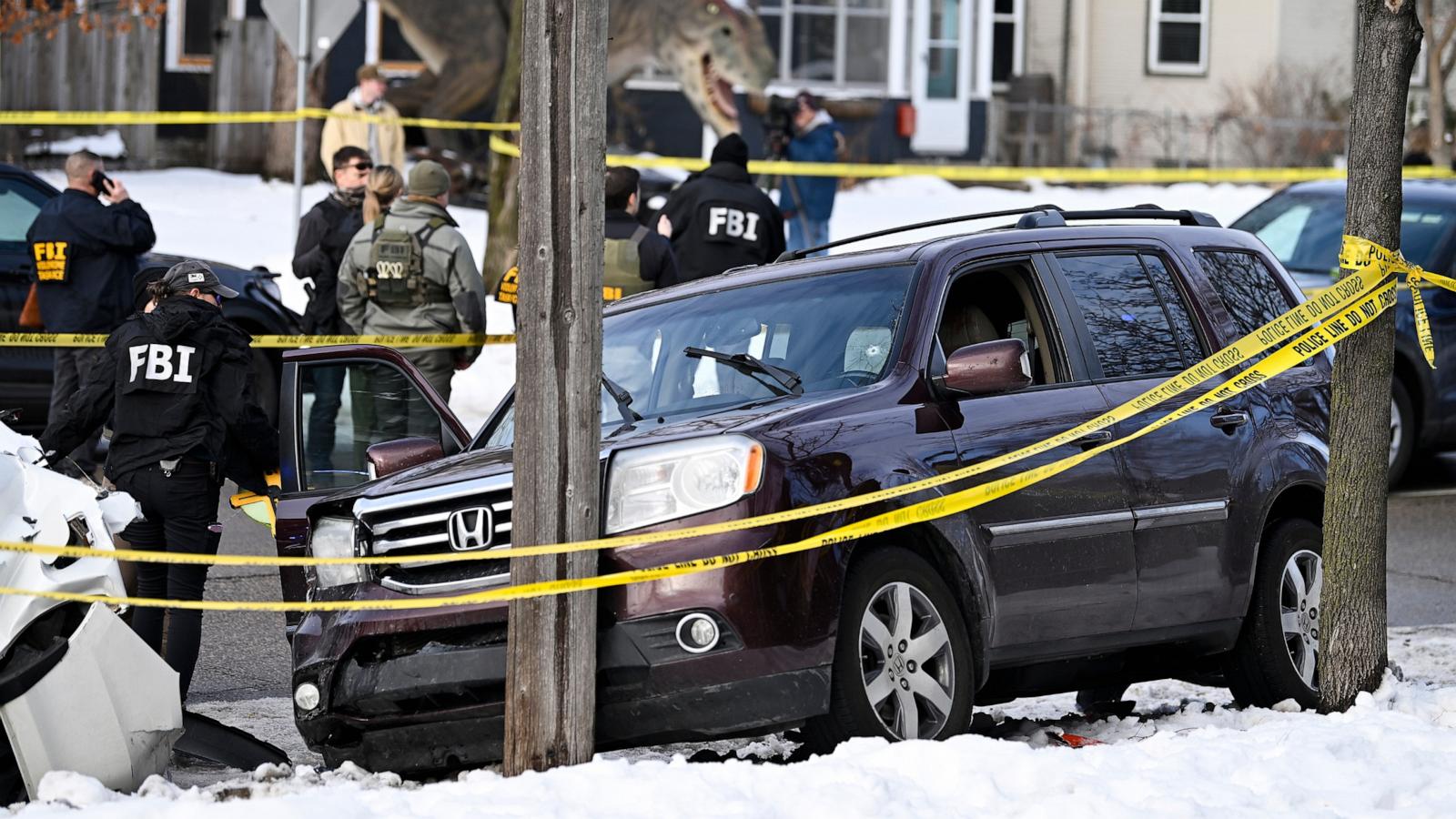
Image for Governor Tim Walz deploys National Guard amid protests over ICE shooting
What"s Next
The deployment of the National Guard is expected to remain in effect as long as necessary to ensure the safety of both protesters and law enforcement personnel. As protests continue, local authorities will be monitoring the situation closely, and further actions may be taken depending on the developments in the coming days. The community"s response to the deployment and the ongoing protests will likely influence discussions around immigration policy and law enforcement practices in Minnesota and beyond.
As previously reported, similar situations have unfolded in other parts of the world, where protests have erupted in response to law enforcement actions. For instance, recent developments in Tehran saw protesters attacking police stations amid an internet blackout, showcasing the global nature of unrest related to law enforcement and government actions.
Governor Walz"s decision underscores the delicate balance between maintaining public order and addressing the concerns of communities affected by immigration enforcement. The outcome of these protests may have lasting implications for how immigration policies are implemented and perceived in Minnesota and across the nation.


![[Video] Leftist woman questions paying respects to 'privileged' White woman](/_next/image?url=%2Fapi%2Fimage%2Fthumbnails%2Fthumbnail-1767975695548-oka90c-thumbnail.jpg&w=3840&q=75)