By Jessica Martinez-Thompson
Date: December 22, 2025
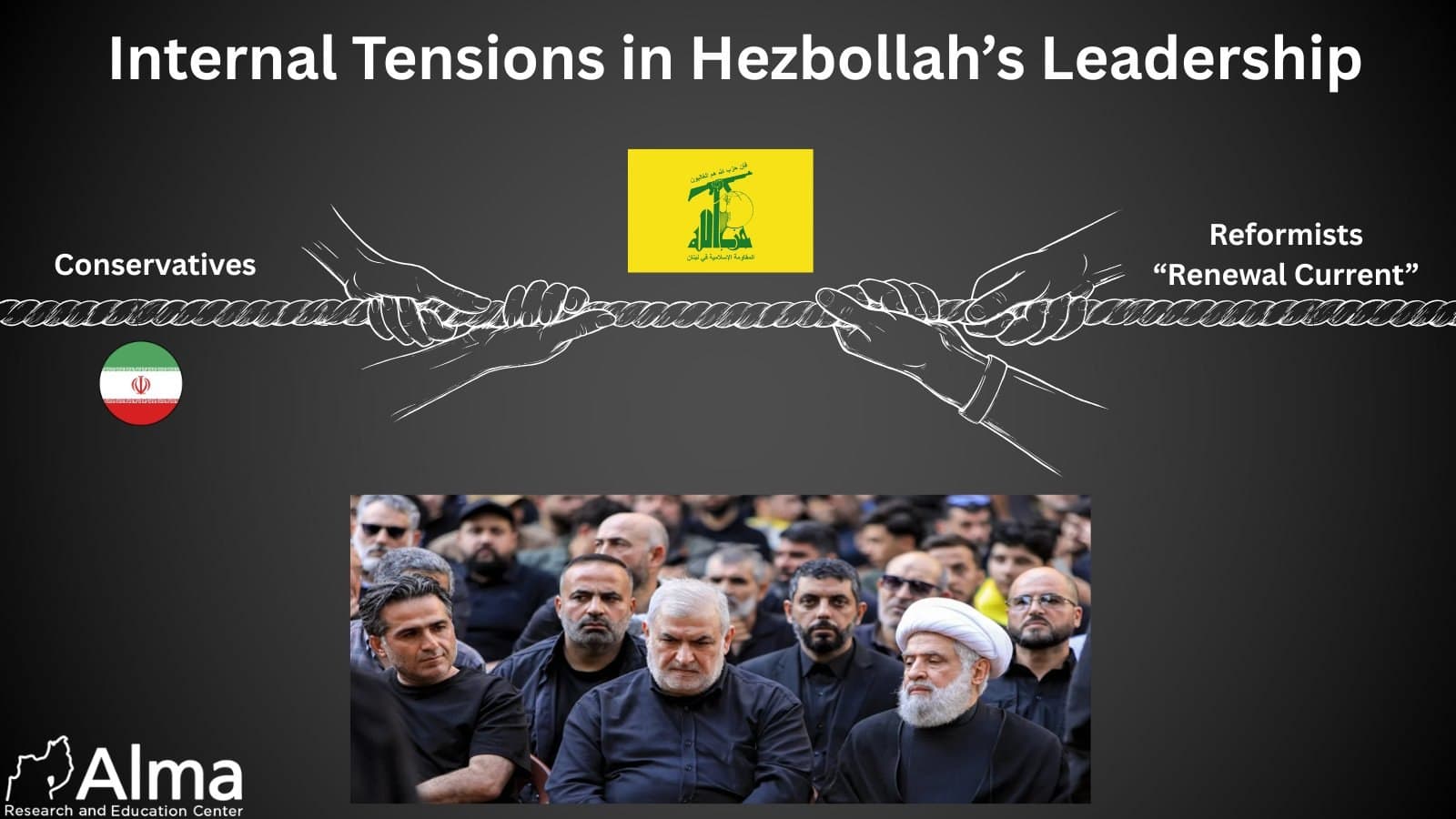
In the aftermath of significant losses during the recent conflict, Hezbollah is grappling with internal tensions that have surfaced within its leadership structure. The organization, which has been a major player in Lebanese and regional politics, is currently experiencing a leadership vacuum following the eliminations of key figures in both its political and military ranks. This situation has led to intensified disagreements among surviving senior officials, particularly regarding the direction and leadership of the group.
Key Details
Following the war, Naim Qassem was appointed as the leader of Hezbollah. However, his authority has been challenged by a considerable faction of senior officials within the organization. This dissent highlights the fractures within Hezbollah’s leadership, particularly as it seeks to navigate the complexities of its political and military strategies in a volatile region.
Within the military leadership, the power dynamics appeared to stabilize with the appointment of Tabbatabai as the military commander. Nevertheless, his recent elimination has reignited discussions about who will take command next, further complicating the internal power struggles that have plagued the organization.
On the political front, there have been ongoing difficulties and delays regarding the potential appointment of Mohammad Raad as the deputy leader of Hezbollah. Currently, Raad serves as the head of Hezbollah’s “Loyalty to the Resistance” parliamentary bloc. His prospective promotion has been met with resistance, reflecting Naim Qassem’s challenges in enforcing organizational discipline and making key decisions.
The internal conflicts within Hezbollah can be traced back to two primary factions within its Shura Council, the organization’s decision-making body. The first faction is the conservative camp, which adheres to traditional ideological lines and maintains close ties with Iran’s Islamic Revolutionary Guard Corps (IRGC). This faction is led by Ibrahim Amin al-Sayyid, who heads Hezbollah’s Political-Strategic Council. Al-Sayyid and his supporters oppose the elevation of leaders who lack a clear religious status, such as Raad, to positions that carry ideological significance.
Conversely, the opposing faction, known as the “Renewal Current,” advocates for reform and structural changes within Hezbollah. This reformist group seeks to incorporate individuals with political backgrounds into the organization’s senior leadership, reflecting a desire for modernization and adaptation to contemporary political realities.
Background
Hezbollah, a Shiite militant group and political party based in Lebanon, has been a significant force in the region since its founding in the early 1980s. The organization has been involved in numerous conflicts, most notably against Israel, and has received substantial support from Iran. The recent war has resulted in considerable losses for Hezbollah, prompting a reevaluation of its leadership and strategies.
What"s Next
The ongoing internal tensions within Hezbollah could have far-reaching implications for the organization’s future. As the conservative and reformist factions vie for influence, the ability of Naim Qassem to unify the leadership and maintain control will be critical. The outcome of these power struggles may affect Hezbollah"s operational effectiveness and its political standing in Lebanon and the broader Middle East.
As Hezbollah navigates these challenges, observers will be closely monitoring the developments within the organization, particularly regarding leadership appointments and strategic decisions. The situation remains fluid, and the potential for further conflict or reform within Hezbollah is significant.
For related coverage on political developments in the region, see recent developments in Japan"s nuclear policy.