Iran Declares Preemptive Strike as Part of Its Defense Strategy
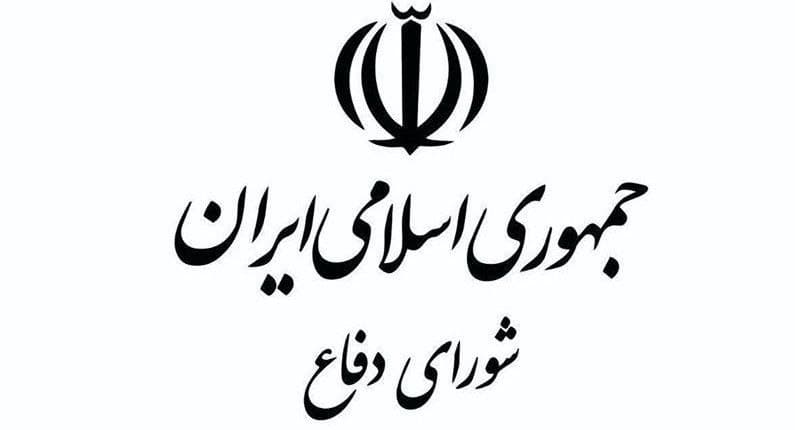
On January 6, 2026, the Secretariat of Iran’s National Defense Council issued a significant statement regarding the country"s defense posture amid rising tensions and threats directed towards Iran. The statement emphasized that Iran considers its security, independence, and territorial integrity as non-negotiable priorities, asserting that any form of aggression or hostile actions against the nation would elicit a strong and decisive response.
Key Details
The Iranian National Defense Council, a key governmental body responsible for formulating defense policies, articulated its stance in light of what it perceives as escalating threats. The statement underscored several critical points:
- Security as a Red Line: Iran"s leadership has declared that its security, independence, and territorial integrity are "a red line that must not be crossed." This assertion reflects the Iranian government"s commitment to safeguarding its national sovereignty against external threats.
- Response to Aggression: The Council made it clear that any aggression or sustained hostile behavior towards Iran will be met with a "decisive and resolute response." This statement indicates a readiness to engage militarily if deemed necessary, reinforcing Iran"s position on preemptive defense measures.
- Legitimate Self-Defense: Iran"s perspective on self-defense is notably proactive. The government does not limit its response to actions that have already occurred; instead, it considers "tangible indicators of threats" as integral to its security strategy. This approach allows Iran to act preemptively if it perceives imminent danger.
These declarations come amidst a backdrop of heightened tensions in the Middle East, where Iran has faced increasing scrutiny and pressure from various international actors. The rhetoric surrounding Iran"s military capabilities and intentions has been a focal point of concern for regional and global powers alike.
Background
The Iranian National Defense Council plays a crucial role in shaping the country"s defense strategies and policies. The recent statement reflects ongoing geopolitical dynamics in the region, particularly in relation to Iran"s adversaries. The Council"s emphasis on preemptive strikes aligns with a broader trend among nations that feel threatened by external forces, seeking to deter potential aggressors through assertive military posturing.
In recent years, Iran has been involved in various conflicts and has faced accusations of supporting militant groups across the region. The country"s military strategy has often been characterized by a focus on deterrence, with an emphasis on maintaining a robust defense capability to counter perceived threats from nations such as the United States and Israel.
What"s Next
The implications of Iran"s declaration regarding preemptive strikes could be significant for regional stability. As Iran asserts its right to act against perceived threats, the potential for conflict escalation increases. This stance may lead to heightened military readiness among neighboring countries and could impact diplomatic relations in the region.
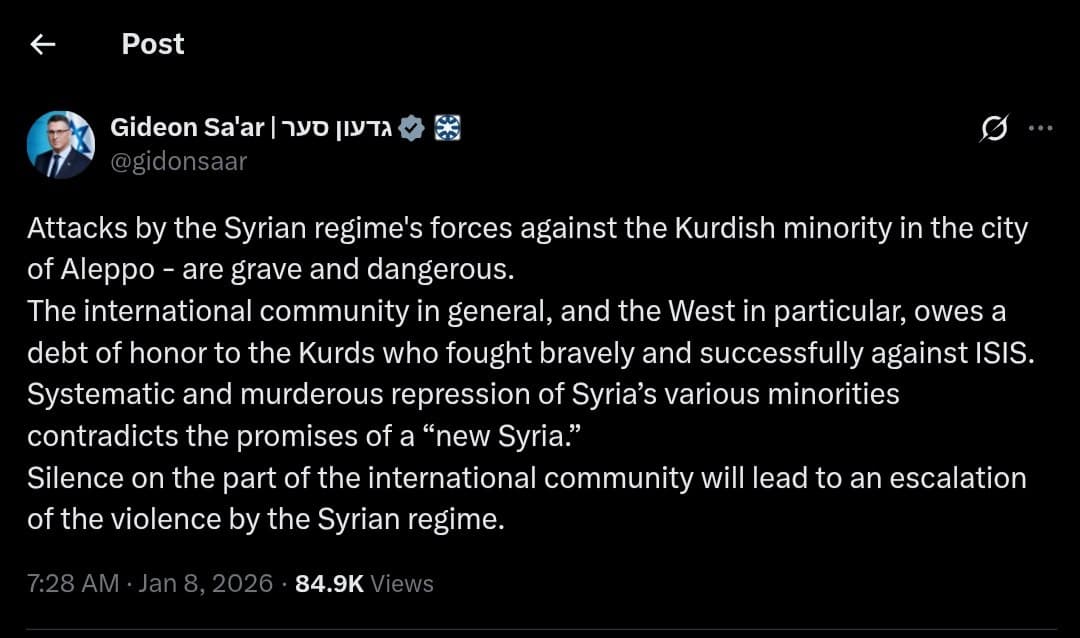
Furthermore, the international community will likely be closely monitoring Iran"s military activities and rhetoric in the coming months. The situation remains fluid, and developments could influence broader geopolitical dynamics, particularly in relation to ongoing conflicts in the Middle East, such as the recent clashes between Syrian government forces and the Syrian Democratic Forces (SDF) in Aleppo, which have drawn international attention.
As previously reported, the situation in the region continues to evolve, with various actors engaged in complex military and political maneuvers. Iran"s latest statement adds another layer to the intricate web of relationships and tensions that define the Middle Eastern landscape.
For further insights into related developments, see our coverage on recent developments in Syria.