Iranian Protests Struggle for Change Due to State Repression and Lack of Organization
Author: Rachel Green
Date: January 3, 2026
Protests in Iran have repeatedly failed to bring about significant political change, largely due to the Iranian state"s extensive capacity for repression and the absence of a cohesive political movement capable of transforming public dissent into effective pressure on the government. Despite widespread dissatisfaction, the political environment in Iran is complex, with many citizens weighing the potential for change against the risks of destabilizing existing institutions.
Key Details
Esfandyar Batmanghelidj, an analyst on Iranian affairs, highlights several critical factors contributing to the ongoing struggles of protest movements in Iran. One of the primary reasons for the lack of decisive political change is the Iranian government"s ability to suppress dissent through violence and coercion. This repression has been a significant barrier to the success of protests.
Another crucial factor is the absence of an organized political movement within Iran that can sustain protest mobilizations. While many Iranians express a desire for change, there is no unified effort to channel this energy into a political force that can effectively challenge the government.
Many Iranians perceive their situation as dire, feeling they are less free and less prosperous than they should be. The ideological political system in place fails to safeguard civil liberties, and the economy is increasingly characterized by rent-seeking behaviors, compounded by international sanctions. A significant portion of the population believes that dismantling the "Islamic Republic" could resolve these issues, leading to a new political system and the potential lifting of sanctions.
Despite the attractiveness of this goal, the prospect of a new revolution remains elusive. Iranians often differentiate between political structures and institutional frameworks when evaluating their government. While there is deep-seated anger towards the political class, many citizens express a protective stance towards state institutions that operate independently of political ideologies. These institutions, which include bureaucratic and technocratic entities, are seen as essential for maintaining public services and social order.
Historically, the 1979 Islamic Revolution in Iran transformed the political ideology of the country but did not significantly alter the underlying bureaucratic structures inherited from previous regimes. As noted by sociologist Kevan Harris, the Islamic Republic retained much of the social welfare framework established during the Pahlavi era, including its bureaucratic apparatus. Although top civil servants left after the revolution, the majority of the administrative workforce remained intact, ensuring continuity in public administration practices.
In terms of social welfare, Iran continues to provide a relatively higher standard of living compared to several neighboring countries and other middle-income nations. For instance, Iranians enjoy better social protection than Mexicans, greater personal safety than Brazilians, more political choices than Saudis, more private sector opportunities than Egyptians, and superior public goods than Pakistanis. However, many citizens feel that these conditions are insufficient and that Iran should be on a more positive trajectory, given its potential for industry and creativity.
While some Iranians may feel they have "nothing left to lose" due to extreme poverty or state violence, many others are cautious about the potential consequences of political upheaval. They are concerned about the possibility of institutional collapse, which could jeopardize vital services such as education, healthcare, and the judiciary.
Background
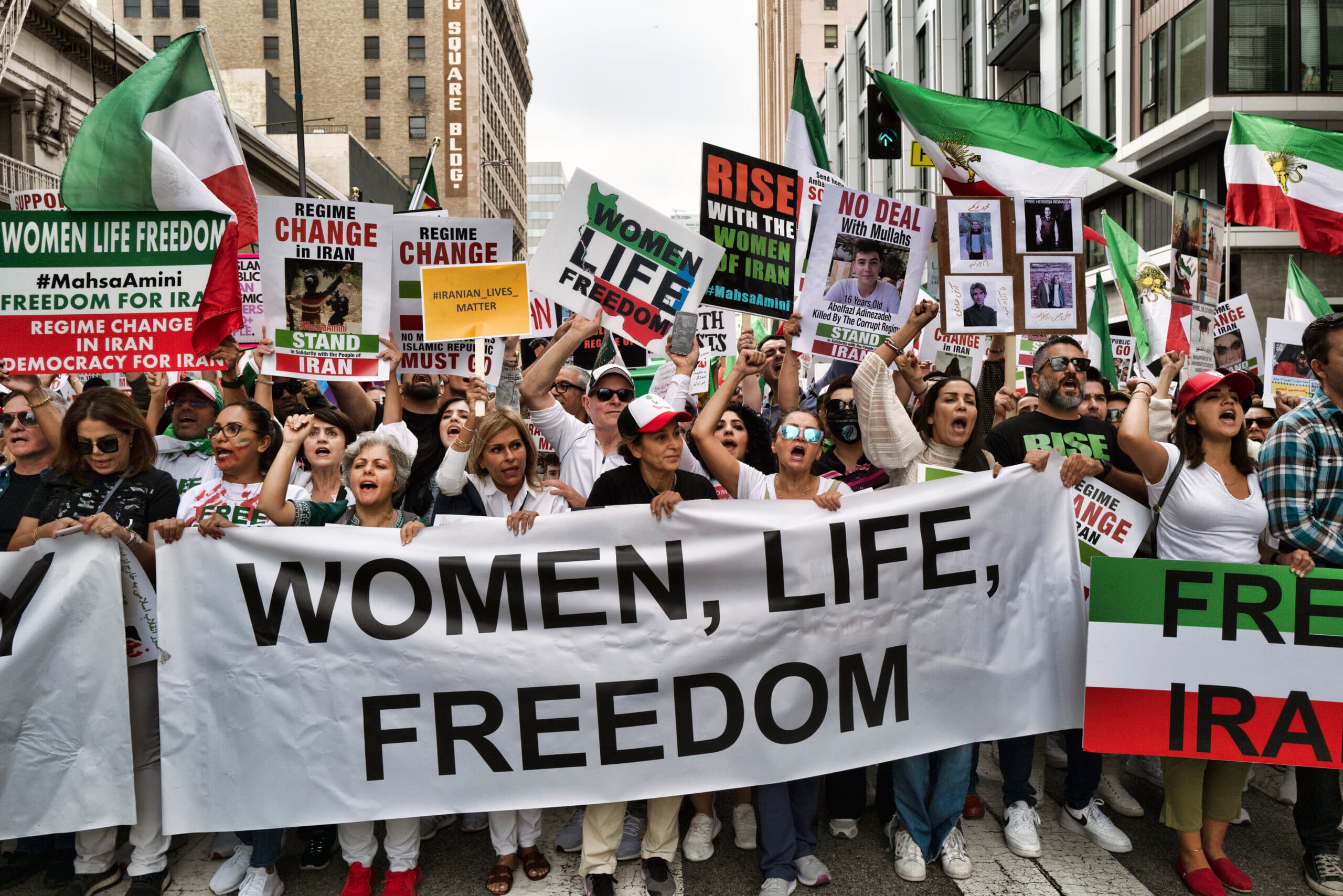
The Iranian protests have been ongoing for years, with various movements emerging in response to economic hardships, political repression, and social injustices. The government"s response has often been to crack down on dissent, using violence and intimidation to quell protests. This cycle of protest and repression has created a complex political landscape where citizens are frustrated yet hesitant to fully embrace revolutionary change.
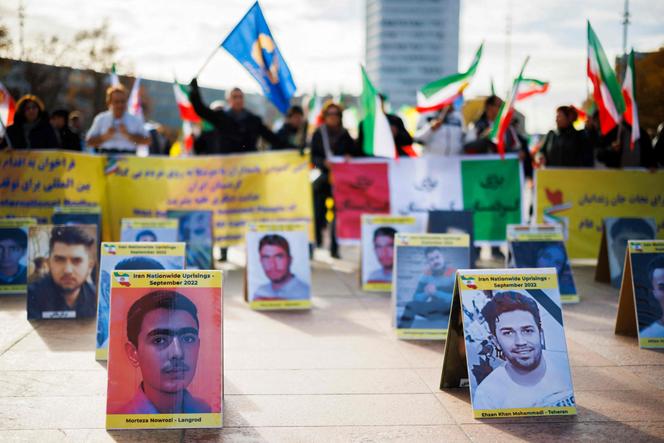
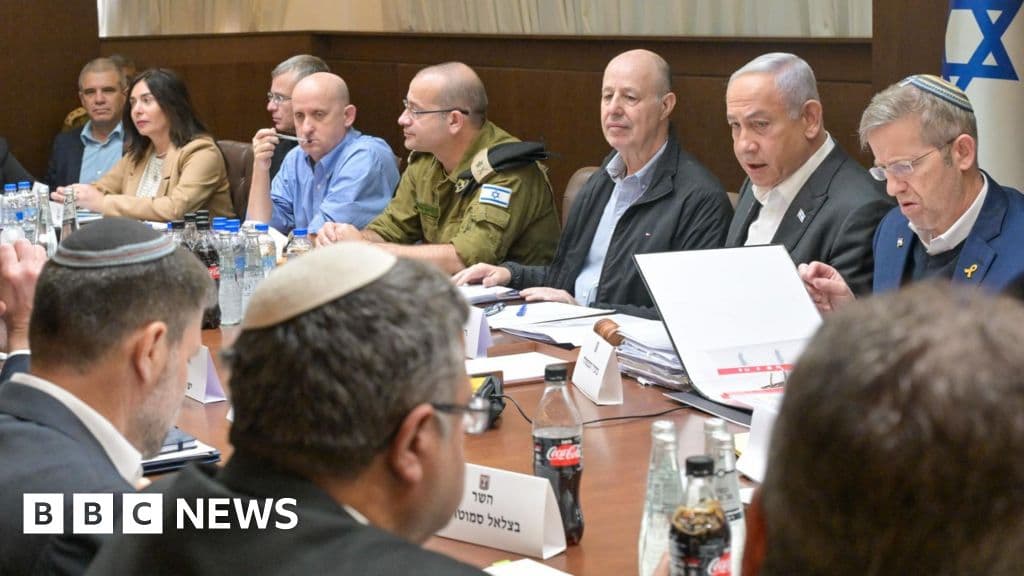
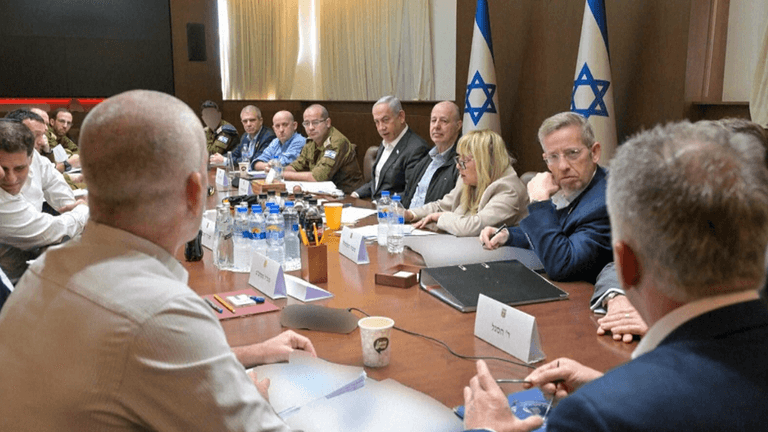
Image for Iranian protests struggle for change due to state repression and lack of organization
What"s Next
The future of protests in Iran remains uncertain. As citizens continue to grapple with their aspirations for freedom and prosperity, the interplay between their desire for political change and their concerns about institutional stability will likely shape the trajectory of future movements. The lack of a unified political front may continue to hinder the effectiveness of protests, leaving many Iranians caught between their hopes for a better future and the realities of their current situation.
For more on the complexities of Iranian politics and public sentiment, see our
![[Video] Armed clashes erupt between anti-regime protestors and security forces in Ilam](/_next/image?url=%2Fapi%2Fimage%2Fthumbnails%2Fthumbnail-1767564039752-eaug9f-thumbnail.jpg&w=3840&q=75)

![[Video] Colombian President Gustavo Petro challenges Trump on potential arrest](/_next/image?url=%2Fapi%2Fimage%2Fthumbnails%2Fthumbnail-1767559866966-y4jav-thumbnail.jpg&w=3840&q=75)