Iran"s Supreme Leader Khamenei condemns US, calls for national unity
Date: January 9, 2026
Author: Priya Patel
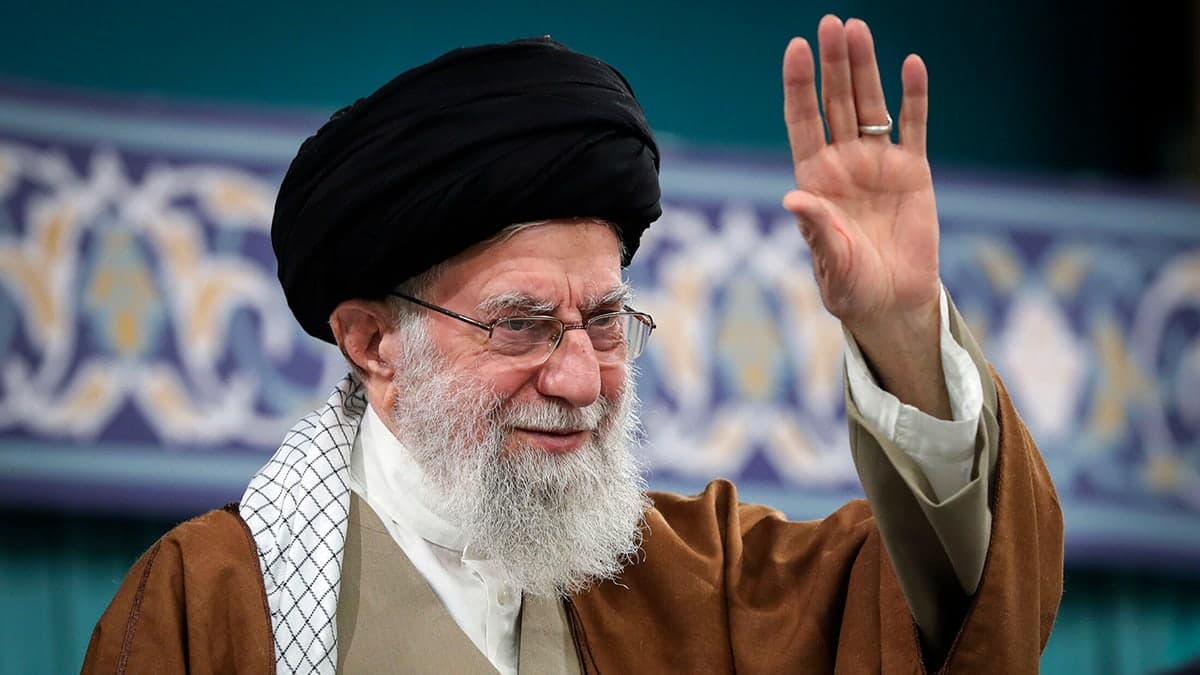
In a significant address, Iranian Supreme Leader Ayatollah Ali Khamenei condemned the United States for its alleged role in the deaths of over 1,000 Iranians, including both leaders and innocent civilians. Khamenei"s remarks came during a speech aimed at reinforcing national unity and resilience against foreign influence, particularly from the US.
Key Details
Khamenei stated, "America"s hands are stained with the blood of more than 1,000 Iranians," highlighting a narrative that positions the US as a direct adversary of the Iranian people. This assertion reflects ongoing tensions between Iran and the US, particularly in the context of historical events that have led to significant loss of life in Iran, including military actions and sanctions.
The Supreme Leader emphasized Iran"s steadfastness, declaring that the nation "will not back down one iota from its principles." This statement underscores Iran"s commitment to its ideological stance and resistance against perceived external threats.
In his address, Khamenei also expressed disapproval of domestic unrest, specifically targeting "rioters" who he claimed were attempting to please the American president by damaging public property. This comment indicates a broader concern about internal dissent and its potential to undermine national stability.
Asserting the strength of the Iranian populace, Khamenei stated, "the united Iranian people will prevail over all enemies." This declaration serves to rally support among citizens, reinforcing the idea that unity is essential for overcoming external challenges.
Addressing the youth of Iran, Khamenei urged them to maintain their religious beliefs, political thoughts, and active participation in the country"s progress. He called for the youth to "maintain your unity," suggesting that a cohesive national identity is crucial for resisting foreign influence and achieving national goals.
Furthermore, Khamenei directed a message to the US president, advising him to focus on the problems within his own country rather than meddling in Iranian affairs. This statement reflects the ongoing geopolitical rivalry and the complexities of international relations between the two nations.
Background
The relationship between Iran and the United States has been fraught with tension for decades, particularly since the 1979 Iranian Revolution, which resulted in the overthrow of the US-backed Shah and the establishment of the Islamic Republic. Since then, the US has imposed various sanctions on Iran, citing concerns over its nuclear program and support for groups considered terrorist organizations by Washington. These sanctions have had a profound impact on the Iranian economy and have fueled anti-American sentiment within the country.
Recent protests in Iran have been met with a strong governmental response, with authorities often framing dissent as a foreign-instigated threat. Khamenei"s comments reflect this narrative, as he seeks to consolidate power and rally public support against both internal and external adversaries.
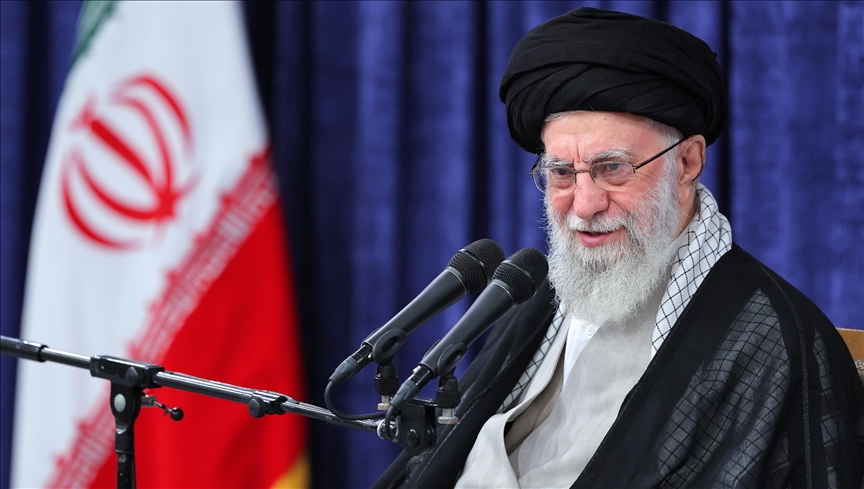
Image for Iran"s Supreme Leader Khamenei condemns US, calls for national unity
What"s Next
The implications of Khamenei"s address are significant for both domestic and international politics. Domestically, his call for unity may resonate with segments of the population that feel threatened by external pressures. However, it may also exacerbate tensions with those who advocate for reform and greater freedoms.
Internationally, Khamenei"s remarks could further strain relations with the United States, particularly if they are interpreted as a rejection of potential diplomatic engagement. As both nations navigate their complex relationship, the potential for conflict remains a pressing concern.
For more on related coverage, see our article on Iran"s Supreme Leader Ayatollah Ali Khamenei to address nation soon.
![[Video] Trump: We will act on Greenland to prevent Russian or Chinese takeover](/_next/image?url=%2Fapi%2Fimage%2Fthumbnails%2Fthumbnail-1767993655510-7mzwt-thumbnail.jpg&w=3840&q=75)
![[Video] Pope Leo XIV condemns anti-Christian violence in Nigeria, Bangladesh, and Damascus](/_next/image?url=%2Fapi%2Fimage%2Fthumbnails%2Fthumbnail-1768006244320-mmtpte-thumbnail.jpg&w=3840&q=75)