Iraq"s Oil Industry Faces Catastrophic Decline Amid Insurgent Attacks
Author: David Park | Date: October 4, 2004
The Iraqi oil industry, once a cornerstone of the nation"s economy, is currently facing a catastrophic decline due to ongoing insurgent attacks and rampant corruption. This situation has unfolded in stark contrast to the optimistic projections made by neoconservative proponents of the 2003 invasion of Iraq, who envisioned the country becoming a significant source of oil for the United States.
Key Details
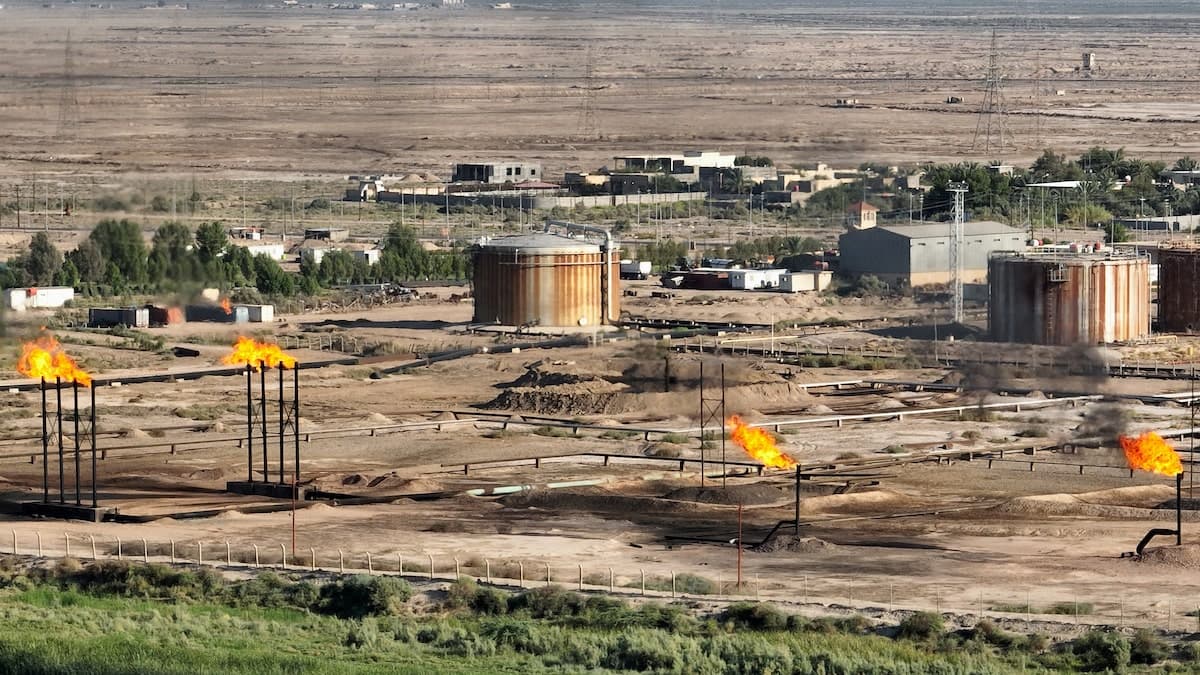
Since the invasion, Iraq"s oil infrastructure has been severely compromised. Pipelines and oil terminals, particularly those connecting the northern oil fields near Kirkuk to the southern export terminals near Basra, have been targeted by insurgent groups. Reports indicate that the northern pipeline, which transports oil to the Turkish Mediterranean port of Ceyhan, has been sabotaged 37 times within a 12-month period. In addition, oil terminals in southern Iraq have been attacked at least 10 times, effectively halting all crude oil exports from the country.
The situation is exacerbated by widespread corruption within the transitional government led by Prime Minister Ayad Allawi. Aid agencies have reported a lack of transparency regarding oil revenues, with significant amounts unaccounted for due to graft, theft, and chaos. Oil traders have alleged that large quantities of oil are being stolen and smuggled onto ships, with Iraqi officials and traders reportedly splitting the proceeds. Consequently, the Iraqi populace has not experienced any economic benefits from the oil wealth, leading to a disconnect between oil revenues and public welfare.
The Iraqi oil industry, which once boasted a workforce of approximately 55,000 well-trained and disciplined technocrats, is now in a state of disarray. The oil fields are deteriorating due to inadequate maintenance, frequent fires, accidents, and a severe lack of funding. Moreover, oil refineries that were looted in the immediate aftermath of the war have yet to be repaired, further crippling the industry.
Background
The invasion of Iraq in 2003 was justified by the Bush administration on several grounds, including the alleged presence of weapons of mass destruction and the potential for establishing a stable democracy in the region. However, the anticipated economic benefits from Iraq"s vast oil reserves have not materialized as expected. Instead, the country has descended into violence, with insurgent groups targeting critical infrastructure and the government struggling to maintain order and transparency.
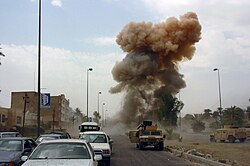
Image for Iraq"s oil industry faces catastrophic decline amid insurgent attacks
Impact
The ongoing turmoil in Iraq"s oil sector poses significant implications for both the Iraqi economy and global oil markets. As the country grapples with internal strife and corruption, the potential for economic recovery remains bleak. The lack of oil exports not only affects Iraq"s revenue generation but also has broader repercussions for global oil supply, particularly in light of the country"s status as one of the world"s largest oil reserves.
As the situation continues to evolve, the international community remains watchful of developments in Iraq, with many hoping for a resolution that could restore stability and transparency to the oil sector. For further insights into related geopolitical issues, see recent developments in international relations.


![[Video] U.S. Energy Secretary emphasizes reliance on oil, gas, and coal](/_next/image?url=%2Fapi%2Fimage%2Fthumbnails%2Fthumbnail-1767799264814-1i2gze-thumbnail.jpg&w=3840&q=75)