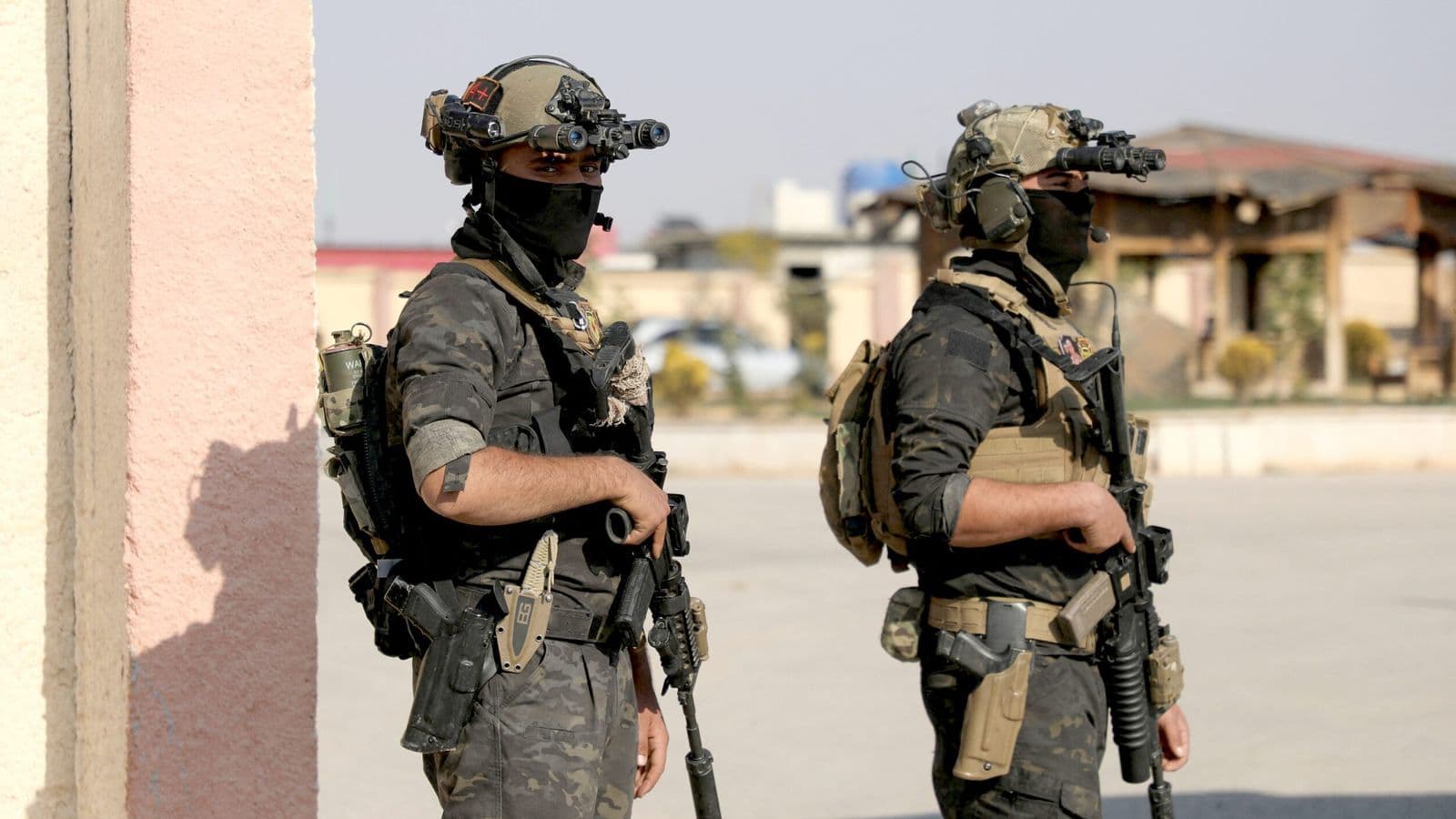
ISIS Conducts 20 Attacks on Syrian Government Forces from May to October 2025
In a troubling development for the Syrian government, the Islamic State of Iraq and Syria (ISIS) has intensified its attacks against government forces, conducting at least 20 assaults across several provinces between May and October 2025. The provinces affected include Aleppo, Idlib, Deir Ezzor, and Daraa. This recent surge in violence marks a significant shift in ISIS"s operational strategy, characterized by bolder and more frequent attacks, alongside official claims of responsibility for these incidents.
Key Details
The recent uptick in attacks appears to be a direct response to the Syrian Interior Ministry"s intensified crackdown on ISIS cells, which coincided with the involvement of the U.S.-led Coalition in the region. Over the past two weeks alone, four attacks have been reported in the Greater Idlib area, resulting in the deaths of eight individuals, including fighters, police officers, and government personnel.
Among these attacks, one involved the use of an improvised explosive device (IED), while the other three were executed via shootings along the M5 Highway, a crucial transportation route in Syria. The M5 Highway is known for its strategic importance, connecting major cities and facilitating the movement of goods and military personnel.
These incidents highlight the ongoing security challenges faced by the Syrian government as it continues to combat the remnants of ISIS, which has been significantly weakened in recent years but remains capable of launching targeted attacks.
Background
ISIS has a history of conducting attacks against government forces in Syria, particularly in regions where its influence has not been entirely eradicated. The group"s ability to adapt and respond to military pressure is evident in the recent increase in operational activity. The Syrian government, backed by various international forces, has been engaged in a prolonged conflict against ISIS and other militant groups since the onset of the Syrian Civil War in 2011.
The involvement of the U.S.-led Coalition, which has been active in the region to combat ISIS, adds another layer of complexity to the situation. The Coalition"s operations aim to dismantle ISIS"s capabilities and prevent the resurgence of the group, which has previously controlled significant territories in Syria and Iraq.
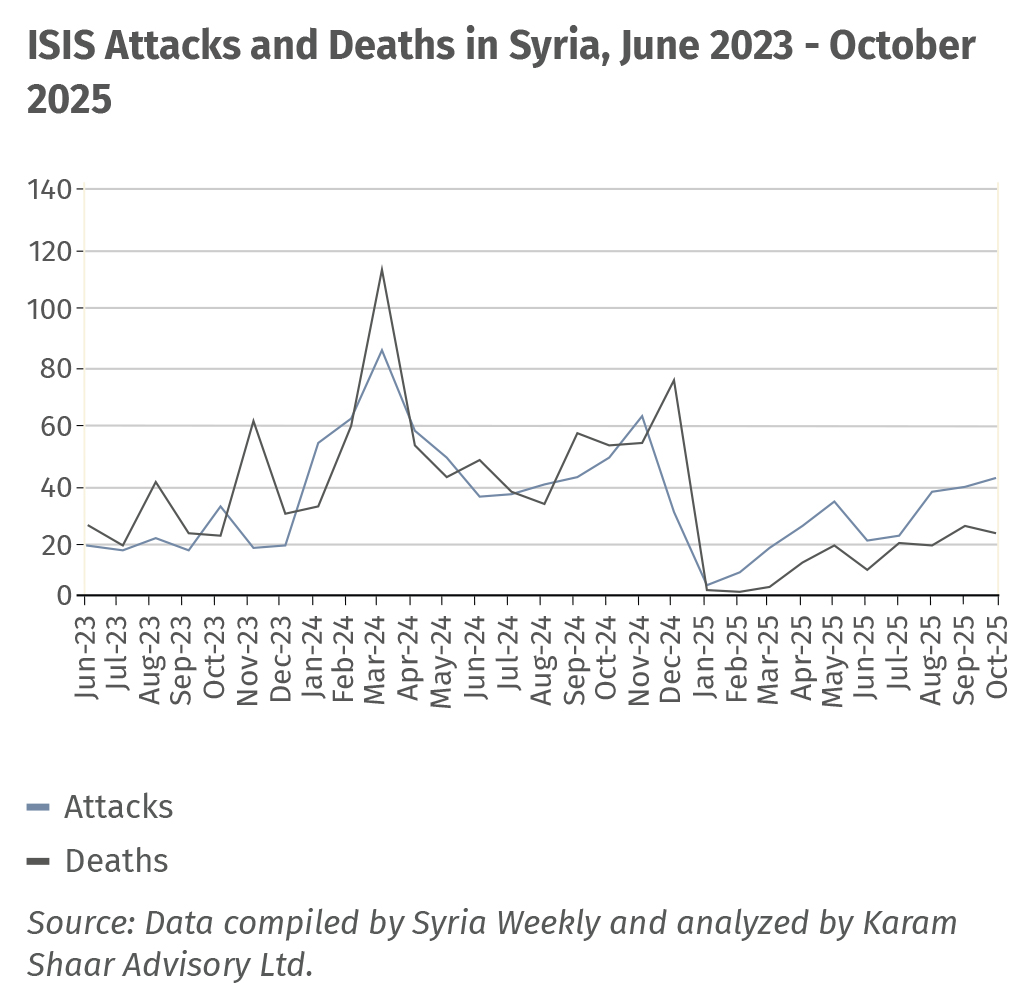
Image for ISIS conducts 20 attacks on government forces in Syria from May to October
What"s Next
The recent attacks underscore the persistent threat posed by ISIS, even as the group has lost much of its territorial control. The Syrian government will likely continue its efforts to root out remaining ISIS cells, especially in light of the recent surge in violence. The situation remains fluid, and further escalations could occur as ISIS seeks to exploit any vulnerabilities in the government"s security apparatus.
As previously reported, the conflict in Syria continues to evolve, with various factions vying for control and influence. The implications of these attacks extend beyond immediate security concerns, potentially affecting regional stability and international relations as the U.S. and its allies remain engaged in the fight against terrorism.
For more on related coverage, see recent developments regarding the impact of military actions in Syria.
![[Video] Joint Task Force Southern Spear conducts strikes on vessels, kills 8 terrorists](/_next/image?url=%2Fapi%2Fimage%2Fthumbnails%2Fthumbnail-1765853457622-5jjjqv-thumbnail.jpg&w=3840&q=75)
![[Video] New South Wales Premier Chris Minns calls for gun control and fight against antisemitism](/_next/image?url=%2Fapi%2Fimage%2Fthumbnails%2Fthumbnail-1765854064482-ajarx6-thumbnail.jpg&w=3840&q=75)
