Israel Ranks Turkey as Second-Largest Threat After Iran, Survey Finds
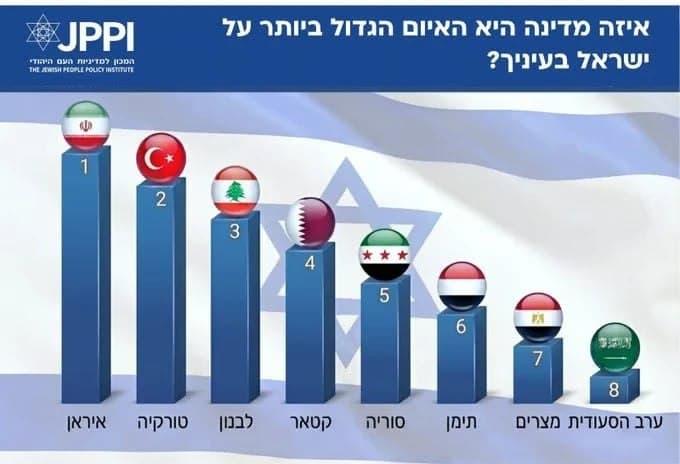
A recent survey conducted by the Jewish People Policy Institute (JPPI) reveals that Israelis perceive Turkey as the second-largest threat to their national security, following Iran. This finding highlights the evolving geopolitical landscape in the region, particularly in light of Turkey"s expanding military capabilities and operations beyond its borders. The survey results reflect a significant shift in Israeli public opinion regarding Turkey"s role in regional security dynamics.
Key Details
The JPPI survey indicates that a substantial portion of the Israeli population views Turkey as a formidable threat, with 50% of respondents expressing a desire for greater independence from U.S. influence, especially in the context of the ongoing fallout from the Gaza conflict. This sentiment underscores a growing inclination among Israelis to reassess their reliance on American support in the face of regional challenges.
Turkey"s military engagements and security operations, which extend from Syria to various locations in Africa, have contributed to this perception. The survey suggests that these operations are seen as evidence of Turkey"s broader strategic ambitions and military capabilities, moving beyond a traditionally defensive posture. As a result, Israelis are increasingly aware of Turkey"s operational footprint, which has been perceived as a direct challenge to their national security interests.
In the context of the survey, Iran remains the primary concern for Israelis, with Turkey closely following as a significant threat. This ranking reflects long-standing tensions between Israel and Iran, particularly regarding Iran"s nuclear ambitions and its support for militant groups hostile to Israel. The survey results indicate that the Israeli public is acutely aware of the multifaceted threats posed by both nations.
Background
The Jewish People Policy Institute (JPPI) is an independent policy think tank based in Jerusalem that focuses on issues affecting the Jewish people worldwide. The organization conducts various surveys and research projects to gauge public opinion on critical issues, including security, identity, and diaspora relations. The findings from this latest survey are particularly relevant as they coincide with heightened tensions in the region, particularly following the recent escalation of violence in Gaza.
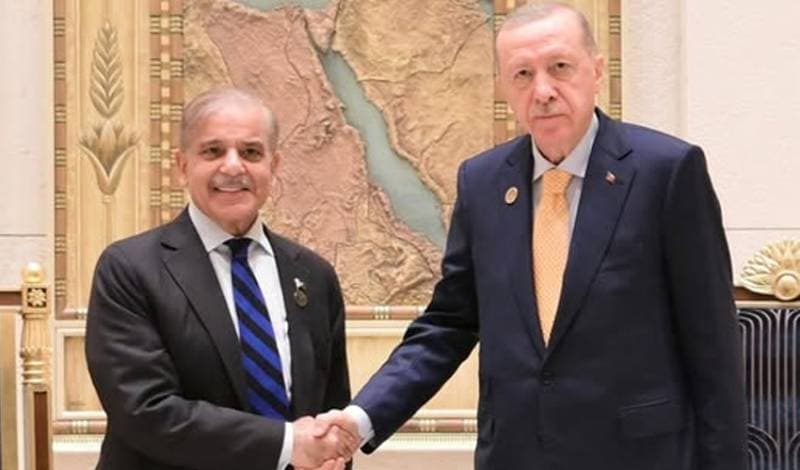
Turkey"s military operations have gained international attention, particularly under the leadership of President Recep Tayyip Erdoğan, who has pursued an assertive foreign policy aimed at expanding Turkey"s influence in the Middle East and beyond. This includes military interventions in Syria and Libya, as well as involvement in conflicts across Africa. These actions have raised concerns among neighboring countries, including Israel, about Turkey"s intentions and capabilities.
What"s Next
The implications of this survey are significant for Israeli foreign policy and its relations with both Turkey and the United States. As Israel grapples with the perception of Turkey as a growing threat, it may seek to recalibrate its strategic alliances and defense posture. The call for greater independence from U.S. pressure suggests a potential shift in how Israel approaches its security strategy, particularly in relation to its adversaries.
Moreover, as tensions continue to rise in the region, the Israeli government may need to address public concerns regarding Turkey"s military activities and their potential impact on national security. This could lead to increased diplomatic efforts to counter Turkey"s influence and strengthen alliances with other regional players who share similar security concerns.
In light of these developments, observers will be closely monitoring how Israel navigates its complex relationships with both Turkey and Iran, as well as its reliance on U.S. support in an increasingly volatile geopolitical environment. For further insights into related developments, see our recent coverage on Turkish President Erdoğan"s upcoming visit to Tehran, which may have implications for regional dynamics.
![[Video] Iranian air defenses shoot down unidentified aircraft above Khorammabad](/_next/image?url=%2Fapi%2Fimage%2Fthumbnails%2Fthumbnail-1766597442962-b2zfsl-thumbnail.jpg&w=3840&q=75)