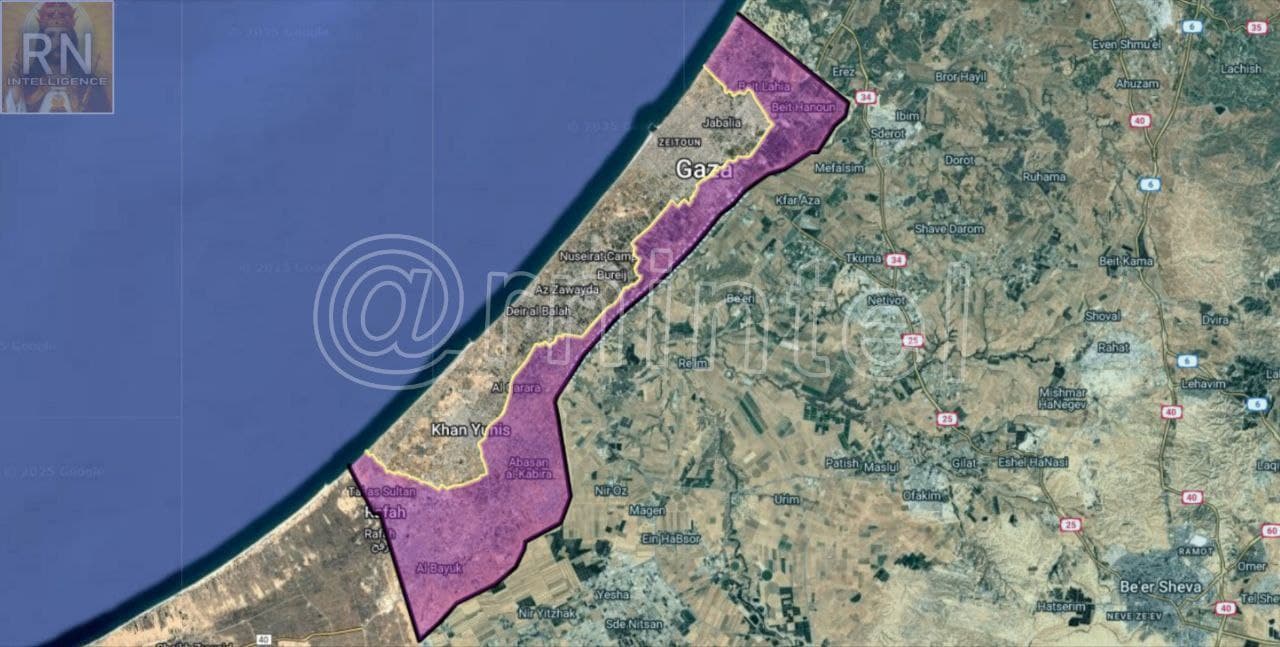
Israel Seeks US Support to Annex Over 50% of Gaza Strip Borders
Author: Priya Patel
Date: December 24, 2025
In a significant geopolitical development, Israel is reportedly seeking support from the United States to revise the borders of the Gaza Strip, with plans to annex over 50% of the territory. This proposal is expected to be presented during a meeting between Israeli Prime Minister Benjamin Netanyahu and former U.S. President Donald Trump.
Key Details
According to reports from Walla, during the upcoming meeting, Netanyahu will propose a plan to officially rewrite Israel"s borders to extend up to what is referred to as the "Yellow Line." This line is significant as it encompasses approximately 58% of the Gaza Strip, a densely populated area that has been a focal point of conflict between Israelis and Palestinians.
If this plan is implemented, Israel would gain control over a substantial portion of Gaza, which includes several key areas. Among these are:
- Beit Hanoun - A town located in the northern Gaza Strip, known for its agricultural significance.
- Beit Lahiya - Another northern town, often affected by military operations and conflicts.
- Khan Younis - A city in the southern Gaza Strip, which has a large population and has been a site of significant military activity.
- Rafiah - A city located at the southern tip of Gaza, bordering Egypt, which plays a crucial role in the movement of goods and people.
The proposed annexation comes amid ongoing tensions in the region, as Israel and Palestine continue to grapple with historical grievances and territorial disputes. The implications of such a move could be profound, potentially altering the dynamics of the Israeli-Palestinian conflict.
Background
The Gaza Strip is a narrow piece of land along the Mediterranean coast, bordered by Israel to the north and east, and Egypt to the southwest. It has been under an Israeli blockade since 2007, following the takeover of the territory by Hamas, a Palestinian militant group. The area has witnessed multiple conflicts, leading to significant humanitarian crises and international concern.
Previous attempts to negotiate peace and establish borders have often been met with resistance from both sides, making any changes to the status quo a contentious issue. The "Yellow Line" refers to the armistice line established in 1949, which has been a reference point in discussions regarding Israeli borders.
What"s Next
The proposal to annex parts of the Gaza Strip is likely to provoke strong reactions from various stakeholders, including the Palestinian Authority, regional neighbors, and international organizations. The U.S. response to Netanyahu"s request for support will be crucial in determining the feasibility of this plan. Should the U.S. endorse the proposal, it could lead to significant shifts in regional alliances and further complicate the peace process.
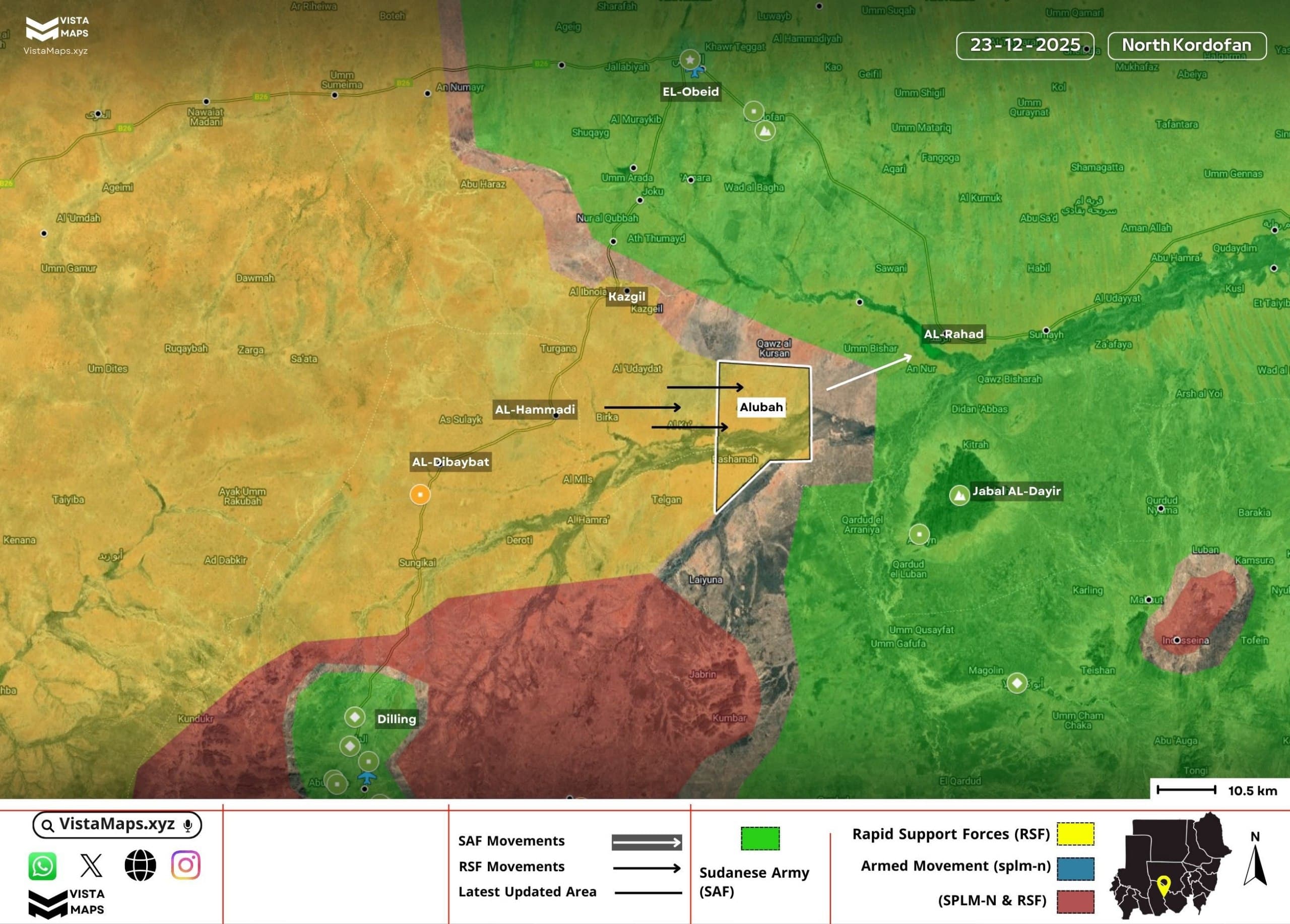
As previously reported, the situation in the Middle East remains volatile, with recent developments in other regions, such as Sudan, also drawing international attention. For instance, the recent developments in Sudan highlight the ongoing complexities of regional conflicts and the potential for shifts in power dynamics.