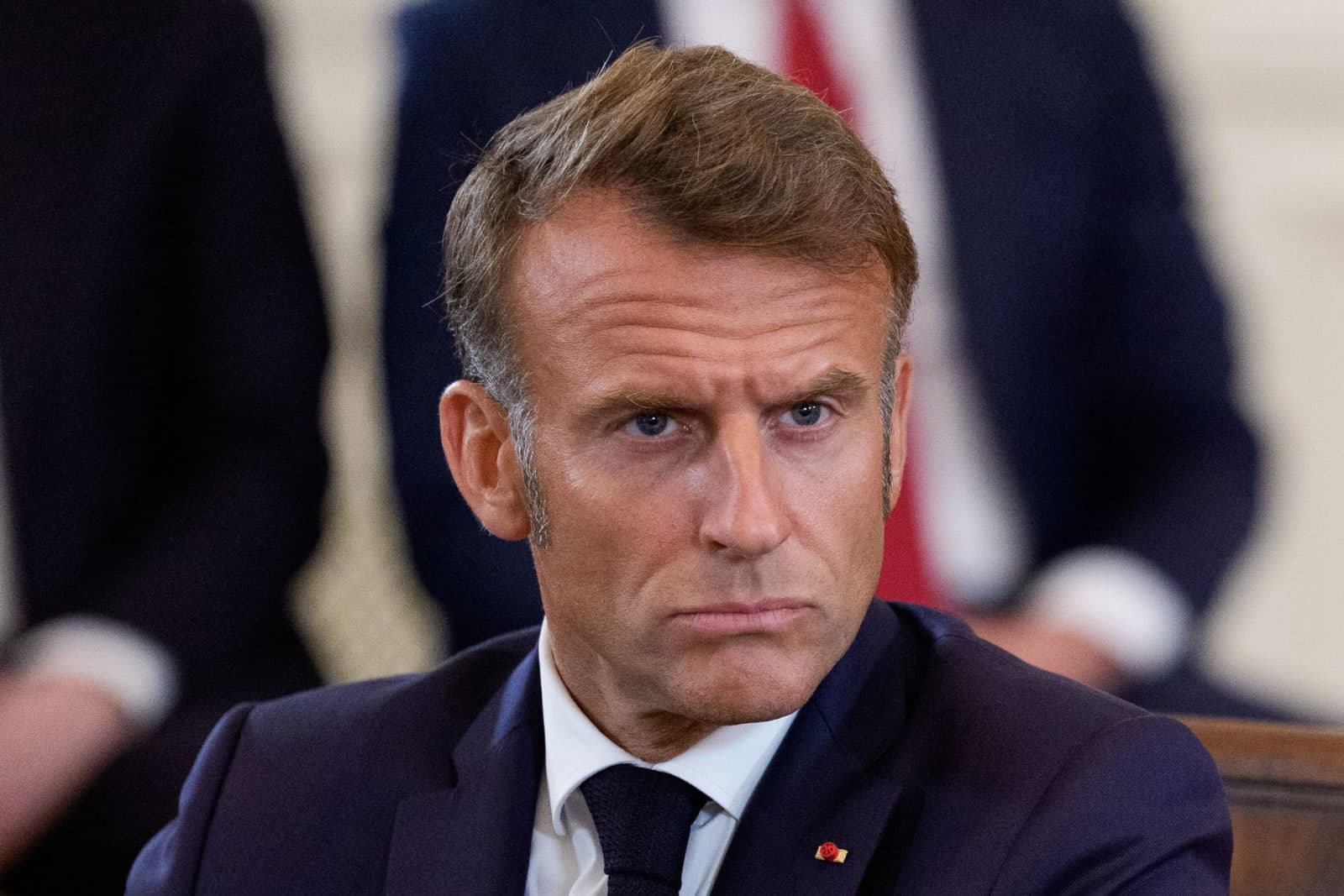
Italy, Malta, Czechia, and Bulgaria Join Opposition Against Seizure of Russian Assets
In a significant political development, Italy, Malta, Czechia, and Bulgaria have aligned themselves with Belgium, Hungary, and Slovakia in opposing the European Union"s plan to seize Russian assets held in Euroclear, a major international securities settlement system based in Belgium. This coalition of countries is raising concerns about the EU"s approach to using these assets to support Ukraine amidst ongoing geopolitical tensions.
Key Details
The opposition from Italy, Malta, Czechia, and Bulgaria is articulated through a proposal advocating for the European Union to issue joint debt specifically aimed at providing financial assistance to Ukraine. However, this measure requires unanimous support from all EU member states, a condition that appears increasingly unattainable. Hungary and Slovakia have previously indicated their willingness to veto such initiatives, further complicating the EU"s efforts to mobilize resources for Ukraine.
The situation poses significant challenges for Kaja Kallas, the EU"s High Representative for Foreign Affairs. The European Commission, which is responsible for proposing and implementing EU policies, is currently unable to take ownership of the Russian assets stored in Belgian banks. This limitation arises from the need for cooperation from Belgium, which is currently under pressure from the aforementioned countries to maintain its stance against the asset seizure.
Despite the collective opposition from these seven countries, it is important to note that they do not constitute a blocking majority within the EU. As a result, the European Commission plans to proceed with its strategy to utilize Russian assets for Ukraine"s benefit, which could lead to strained relations between the Commission and member states, as well as a general decline in cohesion within the EU.
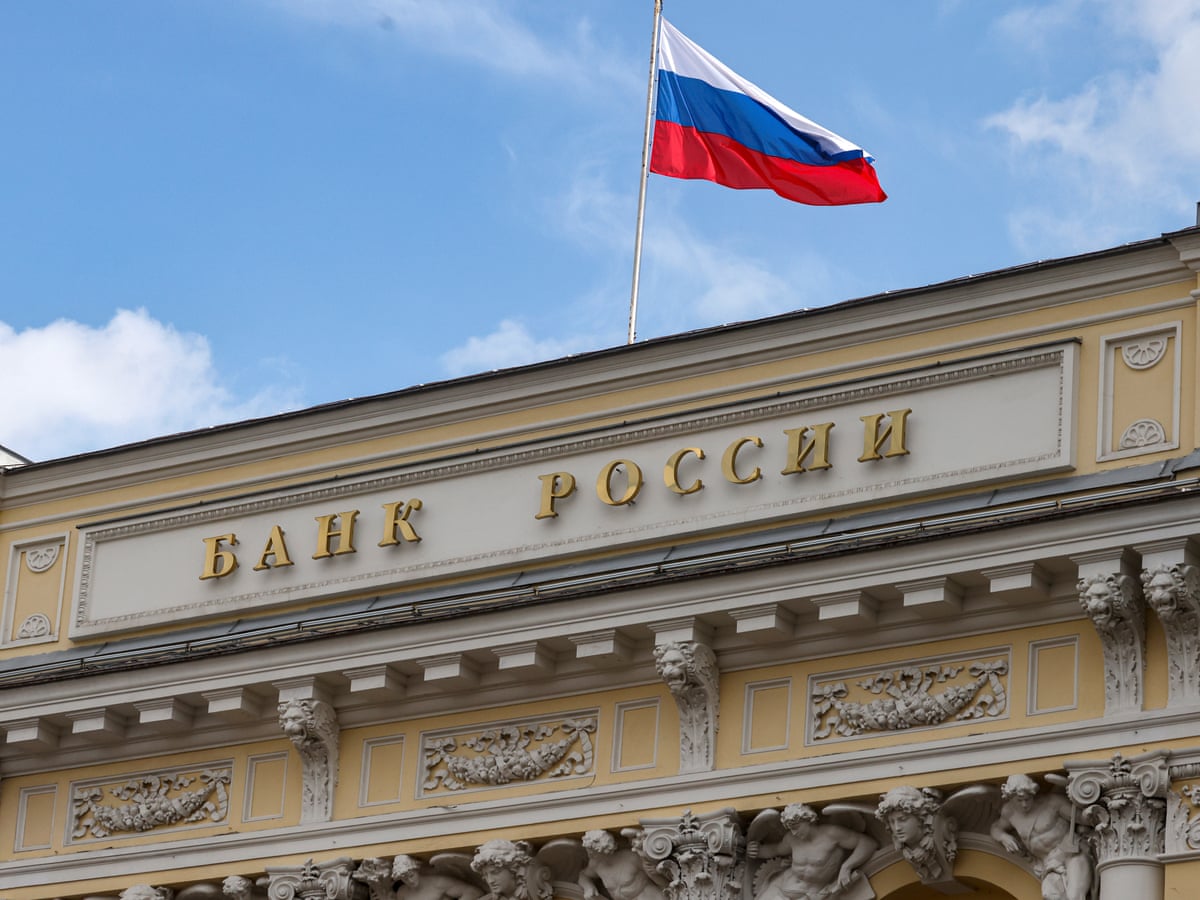
Image for Italy, Malta, Czechia, and Bulgaria oppose seizure of Russian assets
Background
The backdrop to this political maneuvering is the ongoing conflict in Ukraine, which has prompted the EU to seek innovative financial solutions to support the war-torn nation. The idea of seizing Russian assets has emerged as a potential means to generate funds for Ukraine, reflecting the broader economic and diplomatic pressures resulting from Russia"s actions in the region.
The Euroclear bank, where these assets are held, plays a crucial role in the global financial system, facilitating the settlement of securities transactions. The complexities surrounding the legal and political implications of asset seizure highlight the challenges faced by the EU in navigating its response to the conflict in Ukraine while maintaining unity among its member states.
What"s Next
As the European Commission moves forward with its plan to utilize Russian assets, the implications for EU member states could be profound. The dissent from Italy, Malta, Czechia, and Bulgaria may signal a growing rift within the EU regarding how to handle the ongoing crisis in Ukraine and the broader geopolitical landscape. The potential for increased friction between the European Commission and member states raises questions about the future of EU cohesion and collective decision-making, particularly in times of crisis.
For further insights into related developments, see our coverage on recent developments in international politics.
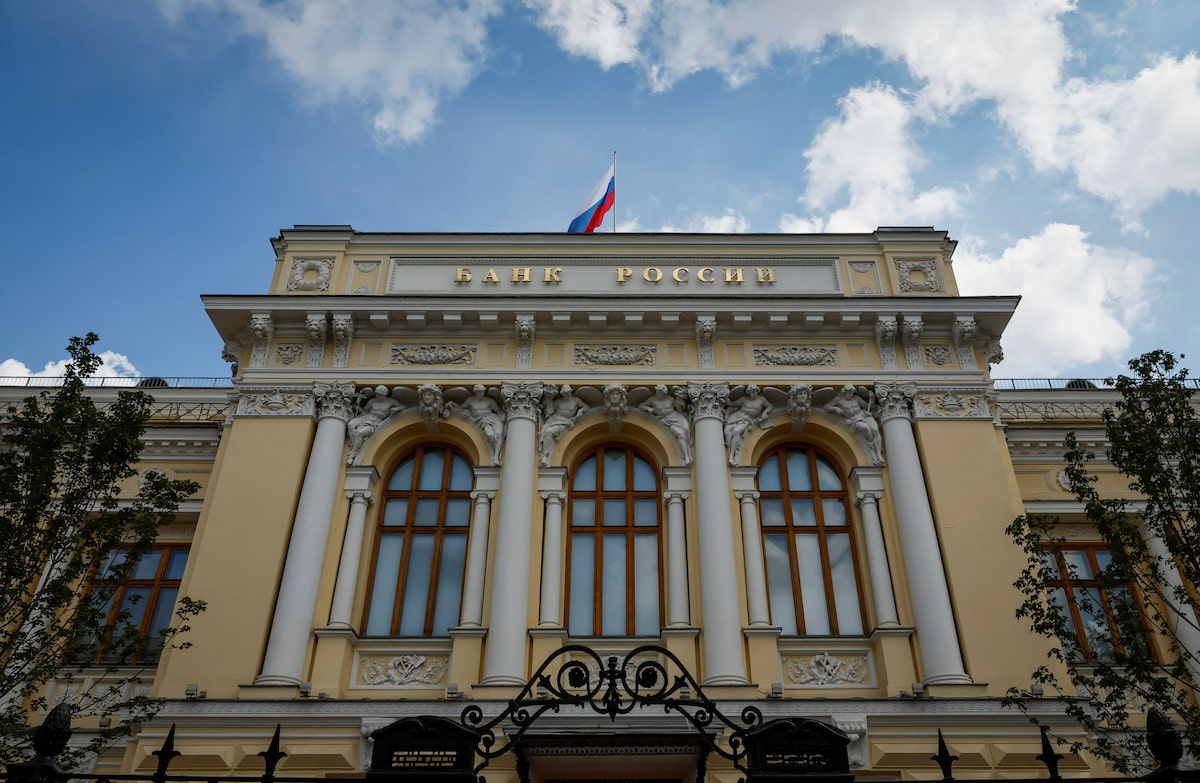
Image for Italy, Malta, Czechia, and Bulgaria oppose seizure of Russian assets




![[Video] Ukraine's SBU uses underwater drones to damage Russian submarine in Novorossiysk](/_next/image?url=%2Fapi%2Fimage%2Fthumbnails%2Fthumbnail-1765818046368-hod7lb-thumbnail.jpg&w=3840&q=75)
![[Video] EU to establish commission for war damage claims against Russia in The Hague](/_next/image?url=%2Fapi%2Fimage%2Fthumbnails%2Fthumbnail-1765816852584-b6tjhg-thumbnail.jpg&w=3840&q=75)