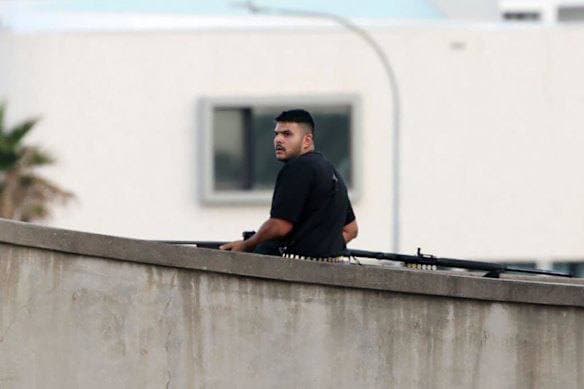
Terrorist Attack in Bondi, Sydney Sparks Calls for Mass Deportations
On the evening of December 14, 2025, a terrorist attack occurred in Bondi, a popular beachside suburb of Sydney, Australia. This incident has ignited a fierce debate surrounding the implications of multiculturalism in Australian society. Critics argue that the attack is a direct consequence of the nation’s immigration policies, which they claim allow for the entry of individuals from cultures that harbor violent ideologies.
Key Details
The attack has been characterized by some commentators as an inevitable outcome of what they describe as the importation of "warring tribes" into Australian society. The assertion is that such acts of terrorism are an inherent risk associated with allowing individuals with potential ties to extremist groups to reside in the country. This perspective has been echoed by various political commentators and community leaders.
In response to the attack, politicians from multiple parties have proposed new laws aimed at enhancing state powers to maintain social cohesion. However, critics argue that legislation alone cannot address the underlying grievances that may lead to such violence. They emphasize that simply increasing laws will not resolve the issues at hand, but rather protect the existing political system that they believe has failed to ensure public safety.
One notable point raised in the aftermath of the attack is the issue of gun control in Australia. The country is known for having some of the strictest gun laws globally, which were implemented following previous incidents of gun violence. Critics assert that while these laws are stringent, they are applied subjectively, with a "fit and proper person check" that they argue disproportionately affects individuals with non-mainstream political views, particularly among White Australians. In contrast, they claim that individuals flagged by the Australian Security Intelligence Organisation (ASIO) for potential links to terrorist organizations are still permitted to possess firearms.
The sentiments expressed by some community members reflect a broader frustration with the current political landscape. There have been calls for mass deportations of individuals deemed to pose a threat to Australian society, with some advocates stating that they have been protesting against the presence of certain groups for over a decade. This perspective is rooted in a belief that the ongoing violence will not cease until significant changes are made to immigration policies and societal attitudes towards multiculturalism.
Background
The Bondi attack is not an isolated incident but part of a troubling trend that has raised concerns about national security and community safety in Australia. The debate surrounding multiculturalism and its impact on social cohesion has been ongoing, with various factions within Australian society advocating for different approaches to immigration and integration. The rise of political movements, such as the White Australia Party, which has reportedly gained over 3,400 supporters, reflects a growing discontent among certain segments of the population regarding the current immigration policies.
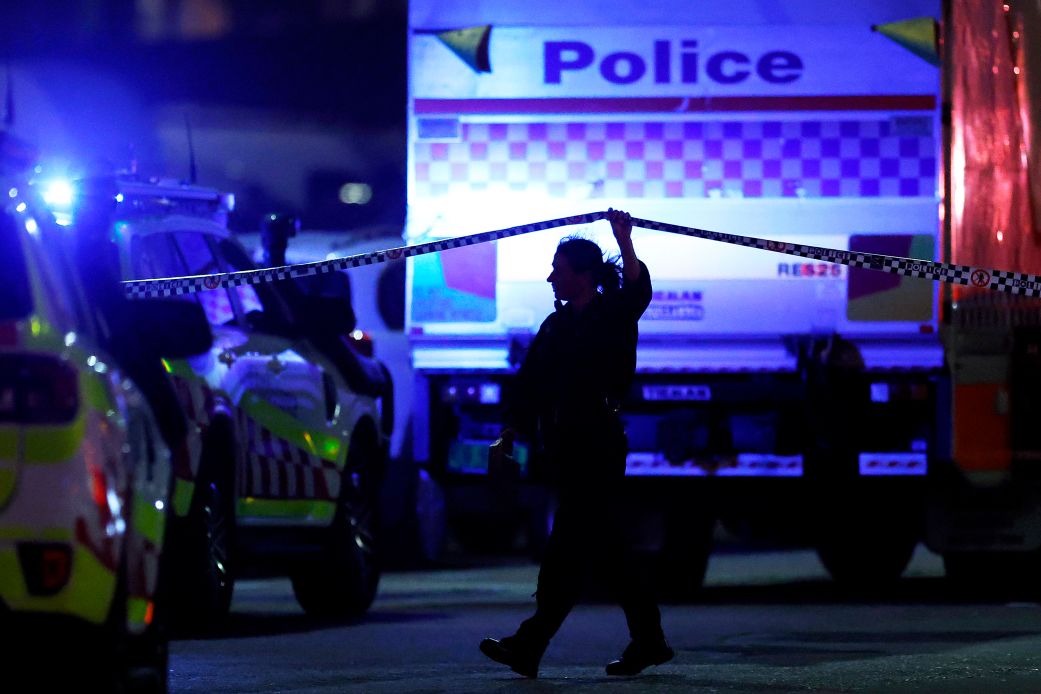
Image for Terrorist attack in Bondi, Sydney sparks calls for mass deportations
What"s Next
In the wake of the Bondi attack, it is anticipated that there will be increased scrutiny of immigration policies and a potential shift in public sentiment towards stricter measures. The political discourse surrounding these issues is likely to intensify, with more discussions on the effectiveness of current laws and the role of government in ensuring public safety. As previously reported, recent developments indicate that there may be targeted legislation aimed at parties that acknowledge grievances related to immigration and multiculturalism, which could further polarize the political landscape.
As Australia grapples with the implications of this attack, the future of its immigration policies and societal cohesion remains uncertain. The ongoing dialogue will likely shape the nation’s approach to security and community relations in the years to come.

![[Video] MAK Declares Independence of Kabylie Region as 'Federal Kabyle Republic'](/_next/image?url=%2Fapi%2Fimage%2Fthumbnails%2Fthumbnail-1765777298680-gnjuxr-thumbnail.jpg&w=3840&q=75)