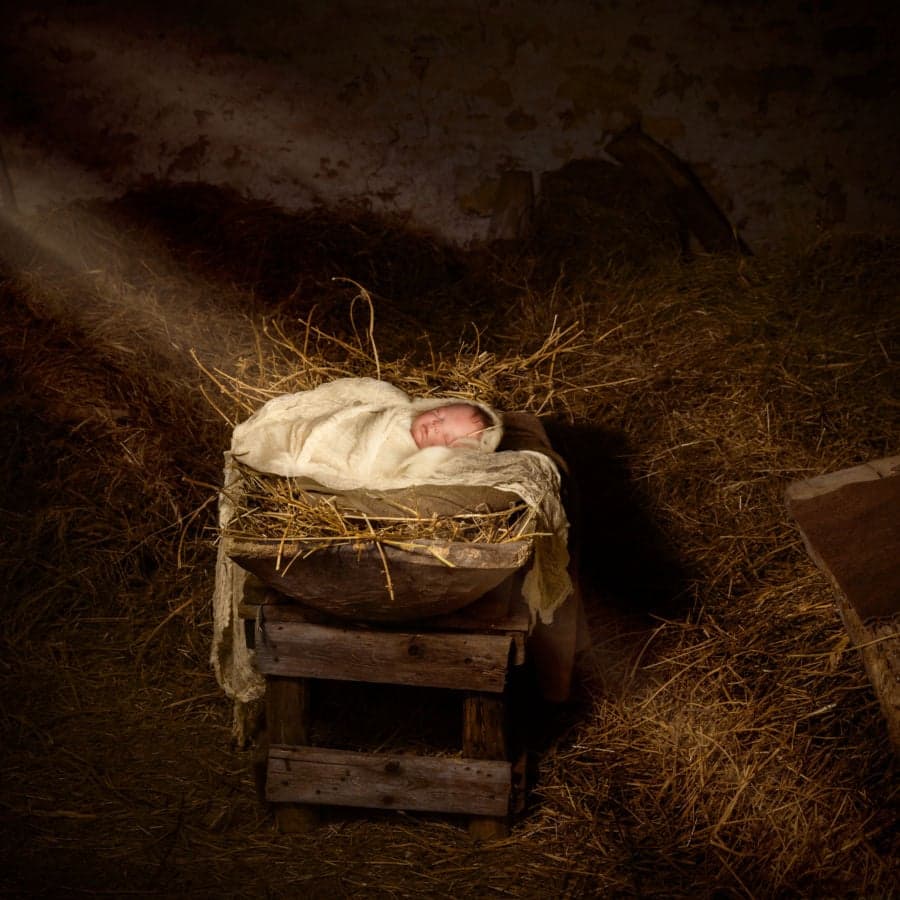
Jesus Laid in a Manger: The Significance of His Birthplace
On December 25, 2025, many Christians around the world celebrate the birth of Jesus Christ, a pivotal event in Christian theology. A deeper understanding of the biblical narrative reveals significant details about the circumstances surrounding His birth, particularly the location where He was laid after birth—a manger. The Greek term for manger, “phatnē,” specifically refers to a feeding trough, which in many cases, particularly in Bethlehem, were constructed from stone.
Key Details
The significance of Jesus being laid in a manger extends beyond mere symbolism. In the region of Bethlehem, shepherds were known for raising sacrificial lambs intended for offerings at the Temple in Jerusalem. When a lamb was born, it underwent a meticulous inspection for any blemishes or imperfections. If deemed flawless, the lamb was often placed in a manger or trough to safeguard it from harm, as any injury would render the lamb unfit for sacrifice. This practice underscores the importance of purity and sacrifice in the Jewish faith.
When Jesus, referred to as the "Lamb of God," was born, He was laid in the same type of manger where sacrificial lambs were kept. This detail is not merely coincidental; it carries profound theological implications. The angels who announced His birth chose to reveal this momentous event to shepherds, rather than to kings or priests. This choice highlights the shepherds" familiarity with the concepts of sacrifice, blood, and the need for lambs without blemish, making them the ideal recipients of the news of the birth of the Messiah.
According to the Gospel of Luke, the angels proclaimed, “You will find a baby wrapped in swaddling cloths and lying in a manger” (Luke 2:12). This specific description served as a sign that the shepherds would immediately recognize, linking the birth of Jesus to the sacrificial lambs they tended.
From the moment of His birth, Jesus was marked for sacrifice—not by human design, but by divine will. This notion is encapsulated in the biblical verse from John 1:29, which states, “Behold, the Lamb of God, who takes away the sin of the world.” This declaration emphasizes Jesus’ role in Christian theology as the ultimate sacrifice for humanity"s sins.
Background
The context of Jesus" birth is rich with historical and religious significance. Bethlehem, located in the West Bank, is traditionally recognized as the birthplace of Jesus. The town"s association with shepherds and sacrificial lambs is deeply rooted in Jewish tradition, where the Temple in Jerusalem served as the central place of worship and sacrifice. The shepherds" role in raising lambs for the Temple highlights the intersection of everyday life and religious observance in ancient Judea.
Moreover, the choice of shepherds as the first to receive the news of Jesus" birth reflects a broader theme in the Gospels: the elevation of the humble and marginalized. This narrative invites reflection on the nature of leadership and the values upheld in the Kingdom of God.
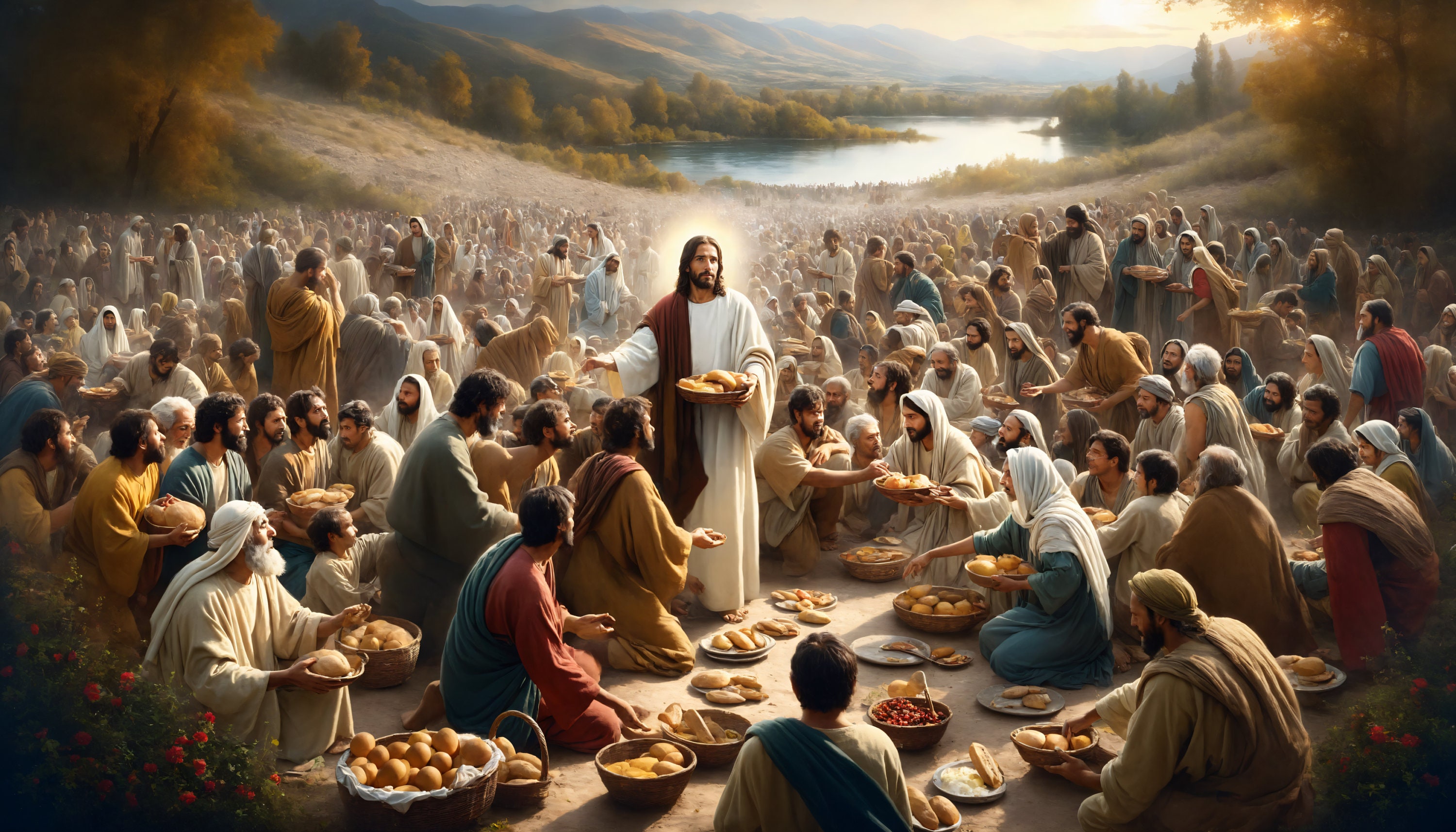
Image for Jesus was laid in a manger, a feeding trough for sacrificial lambs
What"s Next
The implications of Jesus being born in a manger resonate through Christian teachings and traditions to this day. The symbolism of the manger as a feeding trough for sacrificial lambs serves as a reminder of Jesus" ultimate purpose and mission. As Christians commemorate His birth each year, they are invited to reflect on the significance of His life and the sacrifice He would later make for humanity.
In a world where the message of peace and sacrifice remains relevant, the story of Jesus" birth continues to inspire countless individuals. As previously reported, recent developments in global events often draw parallels to themes of sacrifice and redemption, reminding believers of the enduring impact of this foundational event in Christian history.
For more on related coverage of significant events, see our article on recent developments affecting religious communities worldwide.
![[Video] Charles Schulz defied CBS to air A Charlie Brown Christmas in 1965](/_next/image?url=%2Fapi%2Fimage%2Fthumbnails%2Fthumbnail-1766713846457-pdymtm-thumbnail.jpg&w=3840&q=75)

![[Video] Netanyahu wishes Merry Christmas to Christians, mentions Jenin incident](/_next/image?url=%2Fapi%2Fimage%2Fthumbnails%2Fthumbnail-1766602254781-ghbgp-thumbnail.jpg&w=3840&q=75)
![[Video] Bomb explodes inside mosque in Nigeria, killing many worshippers](/_next/image?url=%2Fapi%2Fimage%2Fthumbnails%2Fthumbnail-1766601643778-ubehe-thumbnail.jpg&w=3840&q=75)