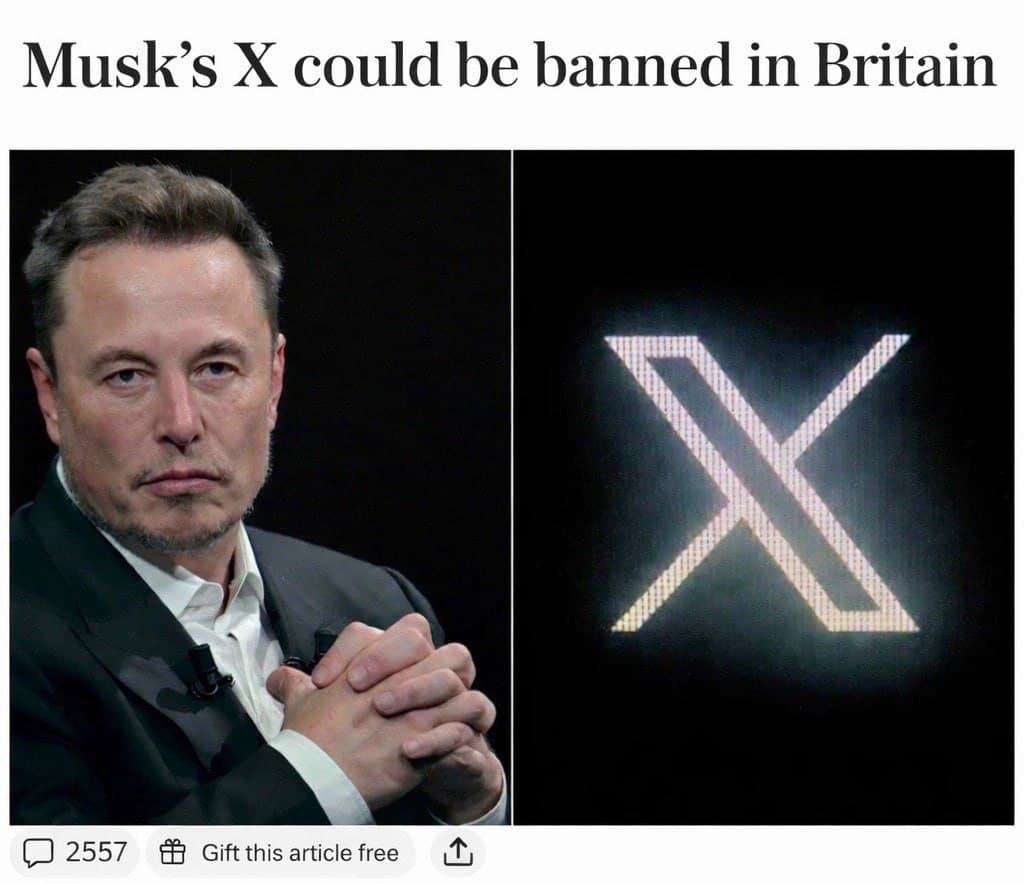
In a significant move that could reshape the landscape of social media in the United Kingdom, Labour Party leader Keir Starmer has formally requested that Ofcom, the British media regulator, develop plans to ban the social media platform X (formerly known as Twitter) in the UK. This request is grounded in the provisions of the Online Safety Act, which aims to regulate harmful content on digital platforms.
Key Details
Keir Starmer"s appeal to Ofcom comes amid ongoing discussions about the regulation of social media companies and their responsibilities in curbing harmful content. The Online Safety Act, which received royal assent in November 2022, is designed to hold platforms accountable for the safety of their users, particularly children. Starmer"s request signals a potential escalation in the UK"s approach to online safety, particularly regarding platforms that may not comply with the new regulations.
Interestingly, it has been reported that both the United Kingdom and the European Union have already devised strategies to potentially ban X. The implications of such a ban could be profound, particularly if the political landscape shifts in the United States. Should the Republican Party lose the 2028 presidential election, or if the Trump administration fails to exert sufficient pressure to prevent such a ban, the implementation of these plans could occur sooner rather than later.
In response to Starmer"s actions, U.S. Representative Anna Paulina Luna, who represents Florida"s 13th congressional district and serves on the House Foreign Affairs Committee, has indicated that legislation is in the works to impose sanctions not just on Starmer, but on the United Kingdom as a whole if it proceeds with the ban on X. This development highlights the transatlantic tensions that could arise from differing approaches to social media regulation.
Background
The Online Safety Act is a landmark piece of legislation in the UK, aimed at making the internet a safer place for users by imposing stricter regulations on social media platforms. The act requires companies to take proactive measures to protect users from harmful content, including hate speech, misinformation, and other forms of abuse. The potential ban on X raises questions about freedom of speech and the role of government in regulating online discourse.
Starmer"s request to Ofcom reflects broader concerns among policymakers about the influence of social media on public discourse and the spread of misinformation. The Labour leader"s stance may resonate with a segment of the British public that is increasingly wary of the impact of social media on society.
What"s Next
The future of X in the UK remains uncertain as Ofcom evaluates Starmer"s request. If the regulatory body decides to move forward with a ban, it could set a precedent for how social media platforms are treated under UK law. Additionally, the potential for U.S. sanctions against the UK could complicate diplomatic relations, particularly in the context of ongoing discussions about trade and cooperation between the two nations.
As the situation develops, it is crucial for both European and American citizens to remain vigilant regarding their rights to free speech and the implications of government actions on digital platforms. The current window of opportunity for open discourse may be limited, and stakeholders on both sides of the Atlantic are urged to engage in discussions about the future of online communication.
For more on the implications of regulatory actions on social media, see our previous reports on the subject.
![[Video] DHS releases footage of Renee Nicole Good before fatal shooting](/_next/image?url=%2Fapi%2Fimage%2Fthumbnails%2Fthumbnail-1768076453994-vve2og-thumbnail.jpg&w=3840&q=75)