Trump Asks Special Forces to Draft Invasion Plans for Greenland
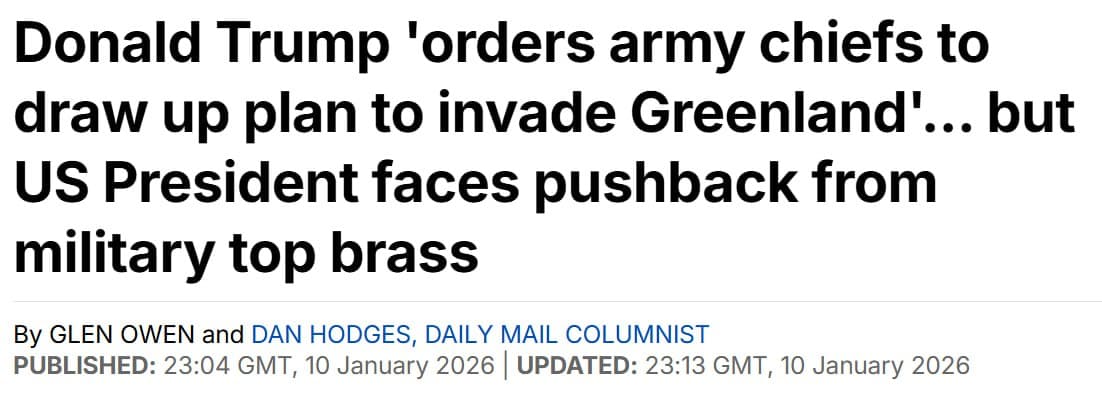
In a surprising development, President Donald Trump has reportedly requested that U.S. special forces prepare invasion plans for Greenland. This request has sparked significant resistance among senior military leaders, who argue that such an action would be illegal and would lack the necessary support from Congress. The information was first reported by the Daily Mail on January 10, 2026.
Key Details
According to sources close to the situation, Trump"s hardline advisers, led by Stephen Miller, have been emboldened by a recent operation that successfully captured Venezuelan leader Nicolás Maduro. These advisers are advocating for decisive action in Greenland, motivated by concerns that Russia or China may take strategic moves in the Arctic region before the United States can respond.
Diplomatic officials have expressed serious concerns regarding the implications of an invasion of Greenland. They warn that such an aggressive move could destabilize NATO, an alliance that includes the United States and several European nations, and could put Trump at odds with UK Prime Minister Keir Starmer. The potential fallout from an invasion could have far-reaching consequences for international relations and military alliances.
In light of these concerns, various officials have been working to redirect Trump’s focus toward less extreme options. Diplomatic efforts have included war-gaming different scenarios that range from military or political coercion to negotiating a compromise in which Denmark, the sovereign nation that administers Greenland, would grant the United States expanded military access to the territory.
European officials are particularly anxious about the timing of any potential action, noting that the upcoming NATO summit scheduled for July 7, 2026, could serve as a critical pivot point for international military strategy. They believe that the most aggressive push for an invasion is coming from Miller"s faction within the Trump administration, heightening tensions within NATO and among allied nations.
Background
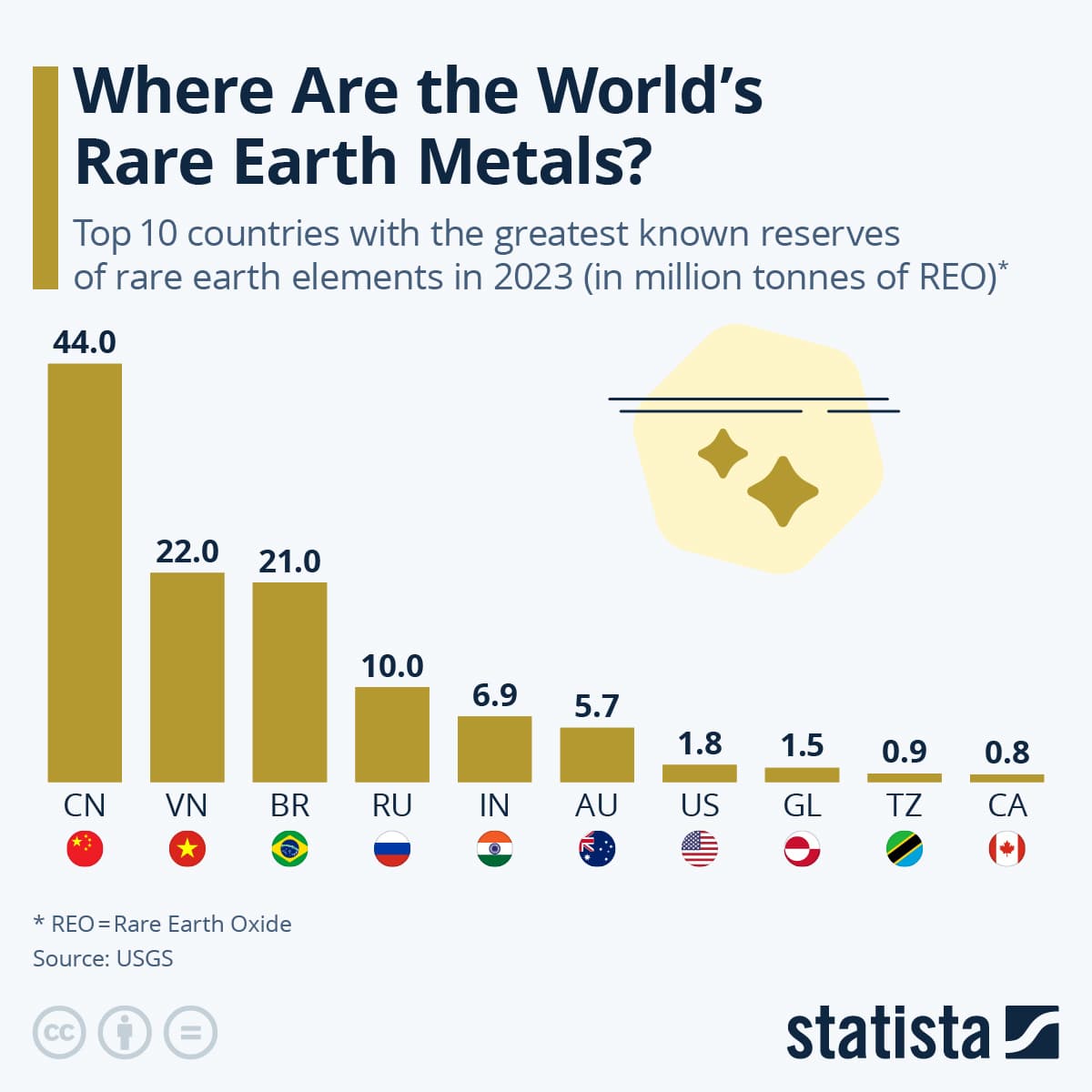
The geopolitical significance of Greenland has been a topic of interest for many years, particularly due to its strategic location in the Arctic. The region has become increasingly important as global warming opens new shipping routes and access to untapped natural resources. In the past, Trump has expressed interest in acquiring Greenland, which was met with widespread criticism and was ultimately dismissed by Danish officials.
The Arctic has been a focal point of competition among global powers, with both Russia and China expanding their military presence and influence in the region. This has raised alarms in Washington, prompting discussions about the need for a robust U.S. strategy to counteract potential threats from these nations.
What"s Next
The situation remains fluid as military leaders and diplomats continue to navigate the complexities of Trump"s request. The resistance from senior military officials suggests that any plans for an invasion will face significant hurdles, both legally and politically. As the July NATO summit approaches, the international community will be closely monitoring the developments surrounding U.S. military strategy in the Arctic and the potential implications for global security.
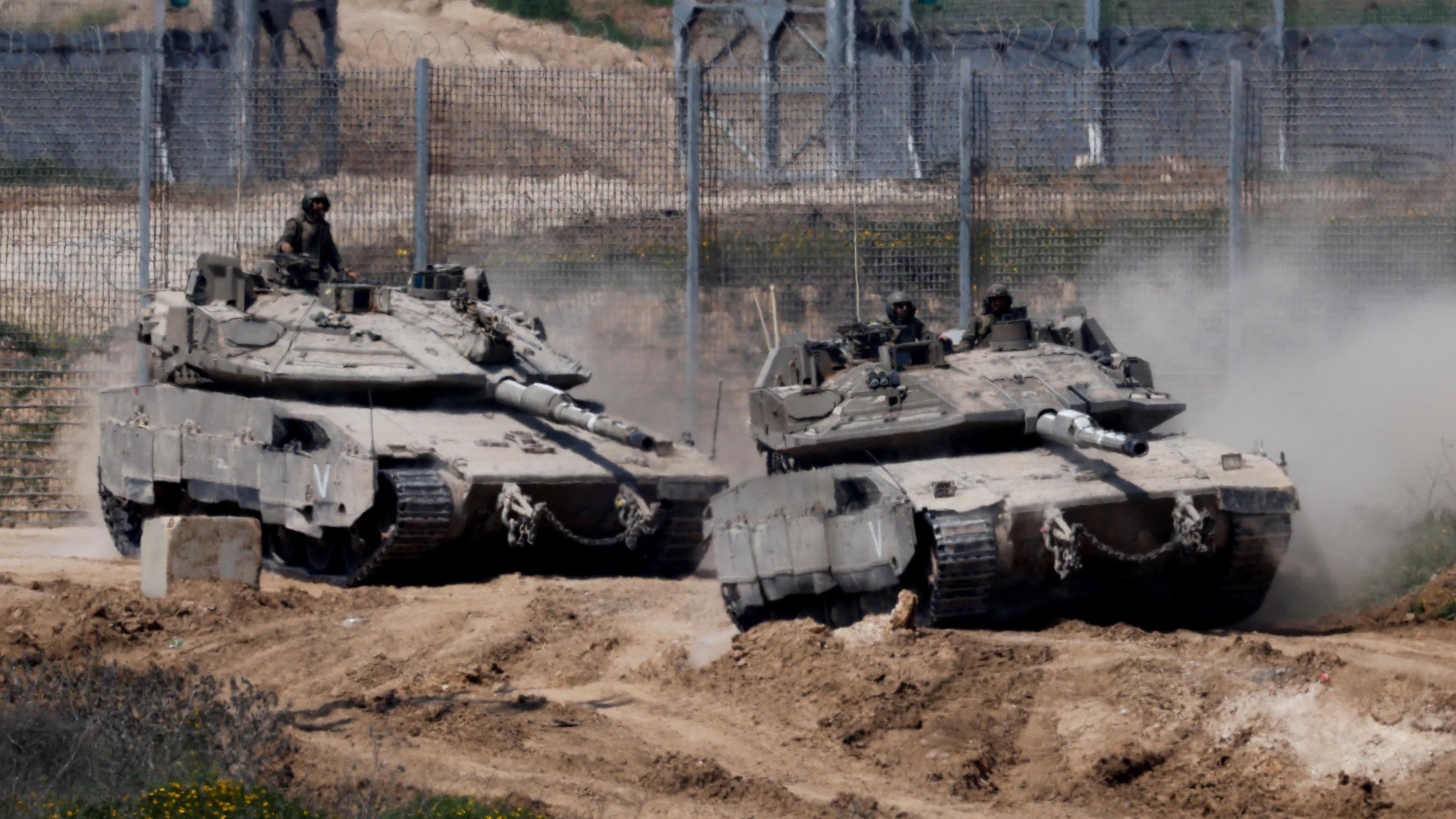
As previously reported, recent developments in international relations, such as Israel"s plans for military operations in Gaza, highlight the ongoing volatility in global affairs and the need for careful diplomatic engagement.