Latvia to Phase Out Russian Language in Schools Starting January 1, 2026
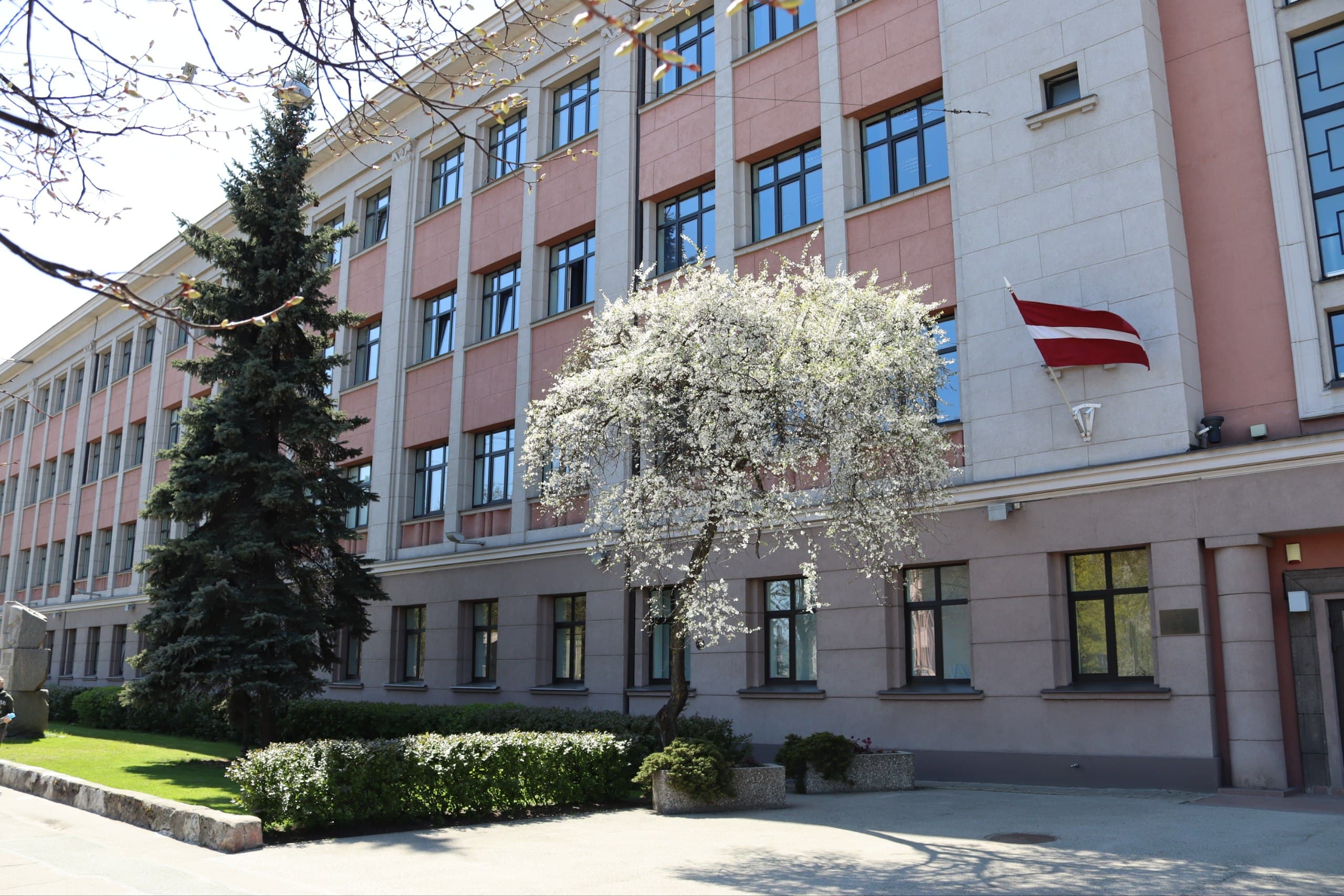
In a significant policy shift, Latvia has announced that it will begin phasing out the Russian language as a second foreign language in schools starting in the 2026/2027 academic year. This decision, which is part of a broader strategy to promote national unity and security, will require educational institutions to offer only official languages of the European Union (EU) and European Economic Area (EEA), or languages covered by intergovernmental agreements.
Key Details
Beginning January 1, 2026, Latvian schools will no longer be permitted to teach Russian as a second foreign language. This change is aimed at aligning the educational curriculum with the country’s national security policies, which emphasize the importance of a unified information space. The Latvian government has determined that the promotion of EU and EEA languages is essential for fostering integration and cohesion within the nation.
In addition to changes in educational policy, Latvia"s public media will also cease producing content in the Russian language from the same date. This includes both television and radio broadcasts, which will be transitioned to digital platforms only. The move is part of a broader initiative to ensure that the information disseminated within Latvia aligns with national security interests and reduces the influence of foreign narratives.
Furthermore, the Latvian government is set to increase the value-added tax (VAT) on Russian-language books, newspapers, and publications from the current rate of 5% to the standard rate of 21%. This tax adjustment aims to further discourage the consumption of Russian-language media while maintaining reduced rates for materials published in Latvian or other EU and OECD languages. This policy change reflects Latvia"s commitment to promoting its national language and supporting local publishing industries.
Background
Latvia, a member of the EU and NATO, has a significant Russian-speaking population, which has historically influenced the country"s cultural and political landscape. The decision to phase out the Russian language in schools and public media is part of a broader response to geopolitical tensions in the region, particularly in light of Russia"s actions in Ukraine and the ongoing concerns regarding national security. The Latvian government has been increasingly focused on strengthening its national identity and ensuring that its educational and media systems reflect this priority.
What"s Next
As the implementation date approaches, schools and media organizations in Latvia will need to prepare for these significant changes. Educational institutions will be tasked with developing new curricula that adhere to the new language requirements, while public media outlets will need to transition their content to digital formats. The increase in VAT on Russian-language publications may also lead to a decline in their availability and consumption, further reinforcing the government"s objectives.
These developments in Latvia are reflective of a broader trend in the region, where countries are reassessing their language policies and media practices in response to external pressures and internal dynamics. As previously reported, similar situations have arisen in other nations grappling with the influence of foreign languages and the need for national cohesion.
For ongoing updates on this situation and related coverage, please refer to our articles on recent developments in political policies across Europe.
![[Video] Demonstrations in Iran target clerical rule as security forces respond](/_next/image?url=%2Fapi%2Fimage%2Fthumbnails%2Fthumbnail-1767273644736-gkv6uv-thumbnail.jpg&w=3840&q=75)
![[Video] Zohran Mamdani Sworn In as New York City's 112th Mayor](/_next/image?url=%2Fapi%2Fimage%2Fthumbnails%2Fthumbnail-1767262841970-yvdyq-thumbnail.jpg&w=3840&q=75)