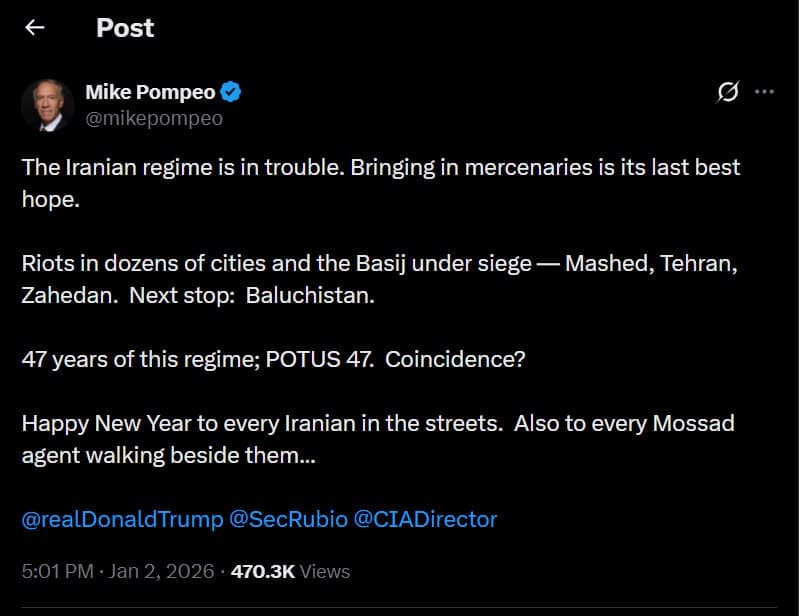
Mike Pompeo claims Iranian regime is in trouble, cites riots and mercenaries
Former CIA Director and U.S. Secretary of State Mike Pompeo has made a bold assertion regarding the Iranian regime, stating that it is facing significant turmoil. In a recent statement, he suggested that the regime"s reliance on mercenaries may be its "last best hope" for maintaining control amid widespread unrest. This unrest has been marked by riots in numerous cities across Iran, including Mashhad, Tehran, and Zahedan, with indications that the situation may soon escalate to the region of Baluchistan.
Key Details
Mike Pompeo, who served as the CIA Director from 2017 to 2018 and as Secretary of State from 2018 to 2021 under President Donald Trump, has been vocal about his views on Iran. His recent comments come as protests have erupted in dozens of Iranian cities, reflecting deep-seated discontent with the regime that has been in power for 47 years. The mention of "POTUS 47" in his statement has raised eyebrows, suggesting a potential correlation between the regime"s longevity and the political climate in the United States.
The riots have reportedly put the Basij, a paramilitary volunteer militia established in 1979, under significant pressure. Cities such as Mashhad, Tehran, and Zahedan have become focal points for these protests, which have been characterized by calls for change and an end to the current regime. The mention of Baluchistan indicates a potential expansion of unrest into this region, which has historically faced its own challenges and grievances against the central government.
In his statement, Pompeo extended New Year greetings to Iranians participating in the protests, expressing solidarity with their struggle for change. Notably, he also referenced Mossad, the national intelligence agency of Israel, implying that their agents might be present among the protesters. This remark has drawn criticism from various Iranian opposition groups, particularly secular liberals and monarchists, who argue that such statements could reinforce the Iranian regime"s narrative of foreign interference in domestic affairs.
Background
The Iranian regime, led by Supreme Leader Ali Khamenei, has faced increasing challenges over the years, including economic sanctions, political dissent, and social unrest. The current wave of protests is seen as a culmination of years of frustration among the Iranian populace, particularly regarding issues such as economic hardship, political repression, and human rights abuses. The Basij, which has been instrumental in suppressing dissent, has faced growing resistance from the public, leading to an escalation of tensions across the country.
What"s Next
The future implications of Pompeo"s statements and the ongoing unrest in Iran remain uncertain. As protests continue, the regime"s response will be crucial in determining whether the situation escalates further or if it can regain control. The involvement of mercenaries, as suggested by Pompeo, raises questions about the regime"s ability to maintain order without resorting to external forces. The international community will be watching closely as developments unfold, particularly in light of the historical context of U.S.-Iran relations and the potential for foreign influence in the ongoing protests.
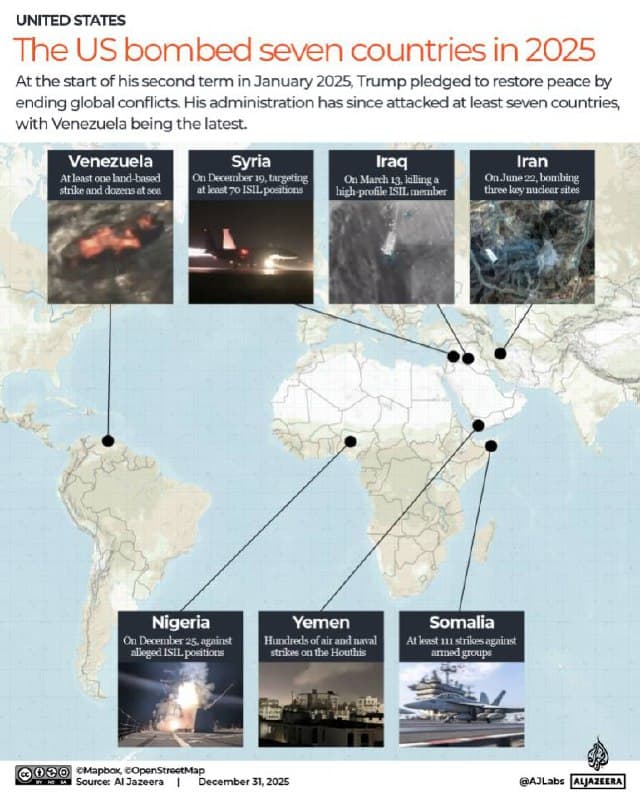
For more information on similar situations, see our previous reports on U.S. military actions abroad.
![[Video] Terrorists attack Sarableh, setting fires; all attackers killed by forces](/_next/image?url=%2Fapi%2Fimage%2Fthumbnails%2Fthumbnail-1767410440463-we3vzj-thumbnail.jpg&w=3840&q=75)