Naval Power Projection is Fundamentally Changing Due to New Technologies
As of December 16, 2025, the traditional concept of naval power projection is undergoing a significant transformation, driven by advancements in technology, particularly in the realms of unmanned vehicles and hypersonic missiles. This shift parallels changes in land warfare strategies influenced by the ongoing conflict in Ukraine, which has highlighted the effectiveness of drone warfare.
Key Details
The notion of naval power projection has been a fundamental element of military strategy for thousands of years and is a critical subject in naval academies worldwide. However, recent technological innovations, particularly from China, are reshaping this concept. Key advancements include:
- Denying Enemy Access to the Sea: The need for large naval forces to blockade ports is diminishing. A fleet of 100 Unmanned Underwater Vehicles (UUVs), combined with support from high-altitude drones positioned 4,000 kilometers away, can effectively prevent enemy ships from leaving port.
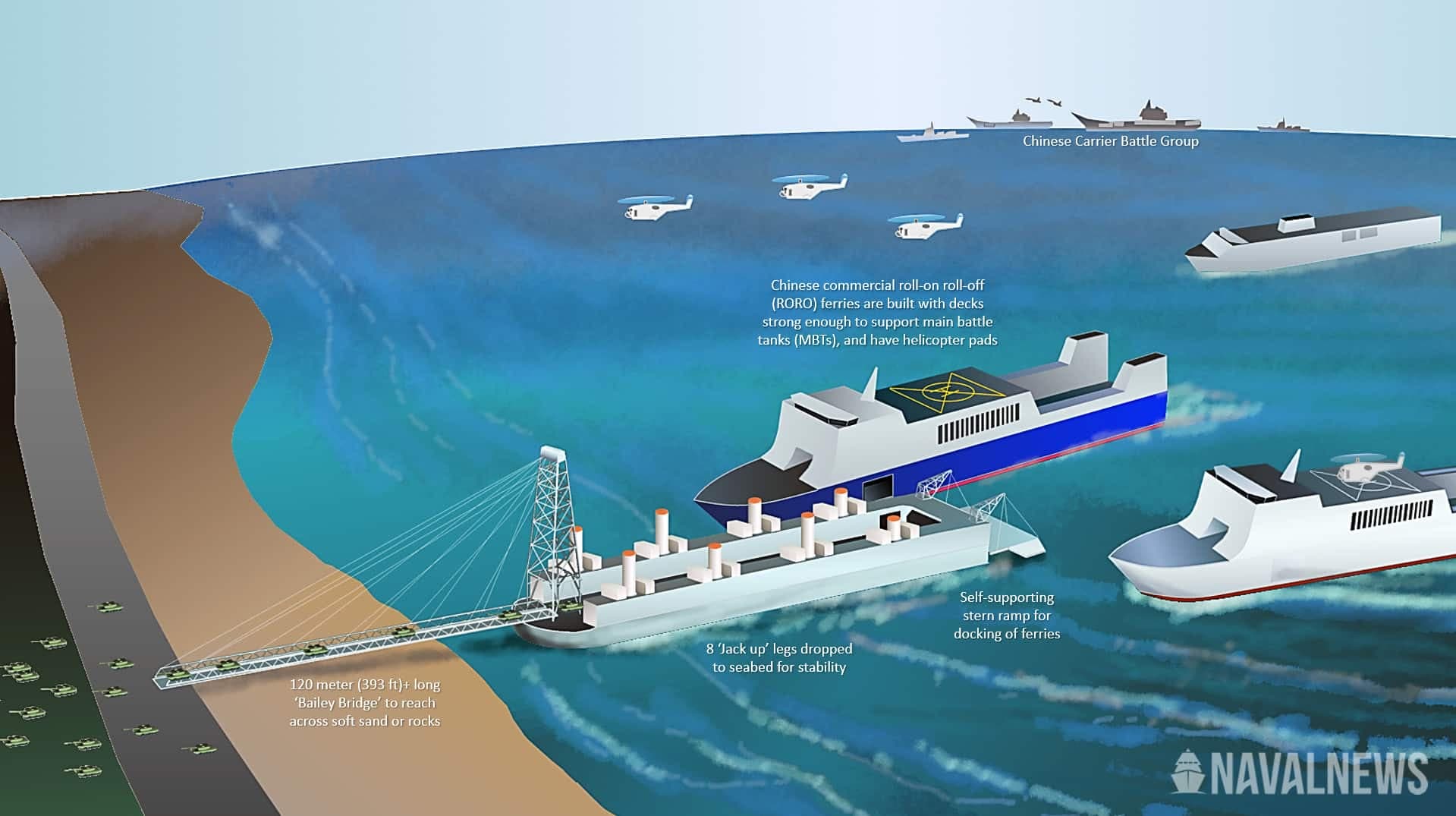
- Force Projection onto Land: While the methods of troop landings remain largely unchanged, aircraft carriers are now facing unprecedented threats. The operational freedom that aircraft carriers enjoyed two decades ago is no longer viable due to advancements in military technology.
- Deterring Threats: The deployment of large surface ships may now provoke threats rather than deter them. Such vessels are vulnerable to ambushes when approaching areas equipped with anti-ship batteries that have ranges between 3,000 and 5,000 kilometers. This vulnerability was evident in recent incidents in Yemen, where vessels withdrew from the strait after facing attacks.
- Protecting or Blocking Sea Routes: The ability to block ocean routes is now achievable through UUVs and high-altitude drones, significantly reducing the need for large naval deployments. Drones can perform these tasks at a fraction of the cost, approximately 5% of traditional methods.
The emerging paradigm of naval warfare emphasizes omnipresence, utilizing hundreds of UUVs, continuous monitoring by high-altitude drones, and operations supported by long-range missiles. This technological evolution allows for targeting ships from other continents, a capability that has not existed before.
China’s advancements in surveillance and target-acquisition drones are noteworthy. These drones can currently remain airborne for 10 to 48 hours, with potential endurance extending to 2 to 6 days thanks to solid-state batteries. Operating at high altitudes and in large numbers, these drones utilize artificial intelligence (AI) to monitor military vessel movements globally. Missiles such as the DF-26, which has a range of 3,000 to 5,000 kilometers, can receive mid-course guidance from these drones.
Additionally, the DF-27 hypersonic glide vehicle can reach distances of up to 8,000 kilometers, enhancing the capabilities of naval forces. When combined with swarms of high-speed UUVs and aerial drones, these technologies are set to revolutionize naval warfare.
Historically, UUVs operated at speeds of 5 to 6 knots; however, advancements in solid-state batteries have increased their cruising speed to between 10 and 14 knots, with potential bursts of up to 25 knots depending on the size of the vehicle.
Background
The shift in naval power projection reflects broader trends in military strategy, particularly as nations adapt to the changing landscape of warfare. The integration of drones and advanced missile systems is a response to the evolving nature of conflict, as evidenced by recent developments in various global hotspots.
Image for Naval power projection is fundamentally changing due to new technologies
What"s Next
The implications of these technological advancements are profound. The traditional model of maintaining a global naval presence through extensive logistics and alliances may soon be viewed as an inefficient use of resources. As navies worldwide, including those of the United States and its allies, adapt to these changes, the landscape of naval warfare is poised for a dramatic transformation.
As previously reported, similar situations are unfolding across various military domains, suggesting a broader reevaluation of military strategies in light of emerging technologies.

![[Video] President Trump restricts entry of foreign nationals to protect U.S. security](/_next/image?url=%2Fapi%2Fimage%2Fthumbnails%2Fthumbnail-1765925476990-qyuuqy-thumbnail.jpg&w=3840&q=75)