US Intervention in Venezuela: PDVSA Announces Shutdown of Oil Production Amidst Political Turmoil
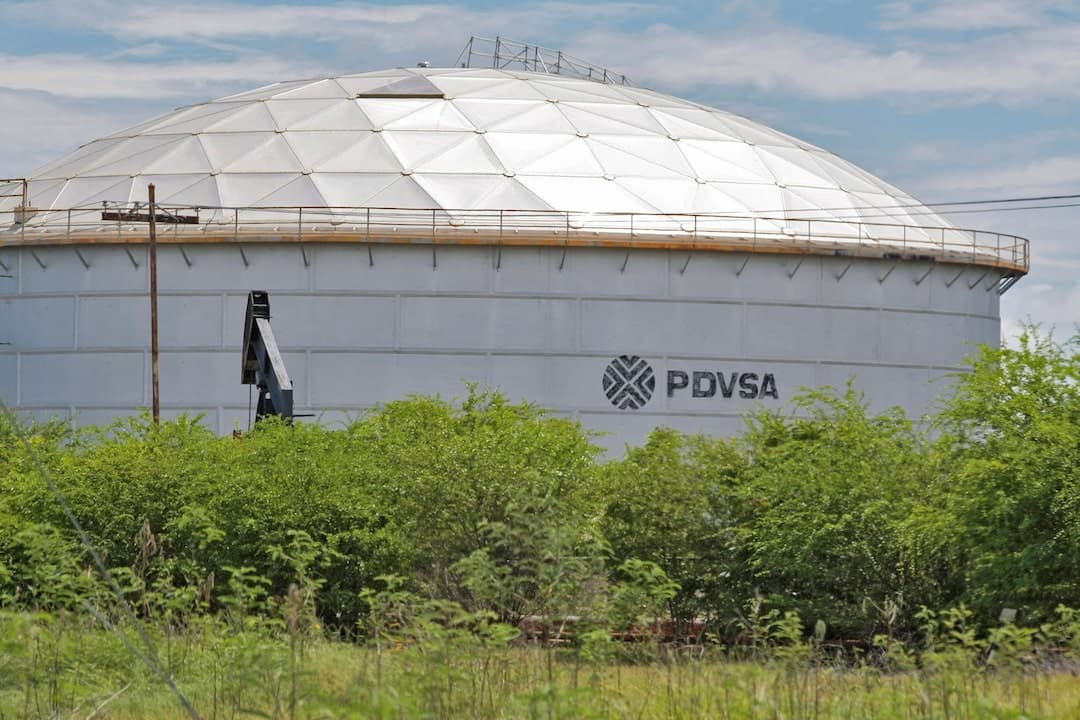
In a significant development in Venezuela"s ongoing political crisis, the state-run oil company, Petróleos de Venezuela, S.A. (PDVSA), has announced a complete shutdown of its oil production. This decision comes in the wake of the United States capturing Venezuelan President Nicolás Maduro, although the U.S. has not been able to seize control of the country. The political landscape remains highly unstable, with the interim president, who is backed by Russia and China, openly opposing U.S. intervention.
Key Details
The situation in Venezuela has become increasingly complex following the U.S. capture of President Maduro. Despite this significant action, the U.S. has failed to establish control over the country, highlighting the chaotic nature of the current political environment. The U.S. had previously supported Juan Guaidó, who was recognized as the interim president by many Western nations, including the United States. However, Guaidó"s credibility has waned, and he is no longer trusted by U.S. officials, indicating a shift in the dynamics of U.S. foreign policy in the region.
PDVSA"s announcement of shutting down oil production marks a critical moment for Venezuela, a country that has long relied on oil exports as its primary source of revenue. The decision to halt production is expected to exacerbate the already dire economic situation in Venezuela, where the economy has been in freefall for several years. This shutdown is likely to lead to a further decrease in oil and gas production, contradicting any hopes for an increase in output.
The interim president, who remains unnamed in the original post, has garnered support from both Russia and China, two nations that have historically opposed U.S. intervention in Latin America. This backing complicates the geopolitical landscape, as these nations may seek to bolster their influence in Venezuela amidst the ongoing turmoil.
Background
The political crisis in Venezuela has been ongoing for several years, characterized by widespread protests, economic collapse, and a humanitarian crisis. Nicolás Maduro has faced accusations of authoritarianism and electoral fraud, leading to a divided international response. The U.S. has taken a strong stance against Maduro"s government, implementing sanctions and supporting opposition figures. However, the effectiveness of these measures has been called into question, particularly in light of the recent developments regarding Guaidó"s loss of U.S. trust.
As previously reported, the U.S. legal system has also been involved in actions against Maduro, with various court cases and investigations underway. For instance, a recent sketch of Maduro and his wife was released in federal court, illustrating the ongoing legal challenges facing the Venezuelan leader. These legal proceedings add another layer of complexity to the already tumultuous political situation in Venezuela.

Image for PDVSA announces shutdown of oil production in Venezuela
What"s Next
The future of Venezuela remains uncertain. With PDVSA"s shutdown of oil production, the country is likely to face even greater economic challenges, including potential shortages of fuel and a further decline in living standards for its citizens. The lack of clarity regarding the political leadership and the ongoing opposition to U.S. intervention by the interim president backed by Russia and China raises questions about the direction of Venezuela"s governance and international relations.
As the situation unfolds, the international community will be closely monitoring developments in Venezuela, particularly the implications of reduced oil production on global oil markets and the potential for increased geopolitical tensions in the region.