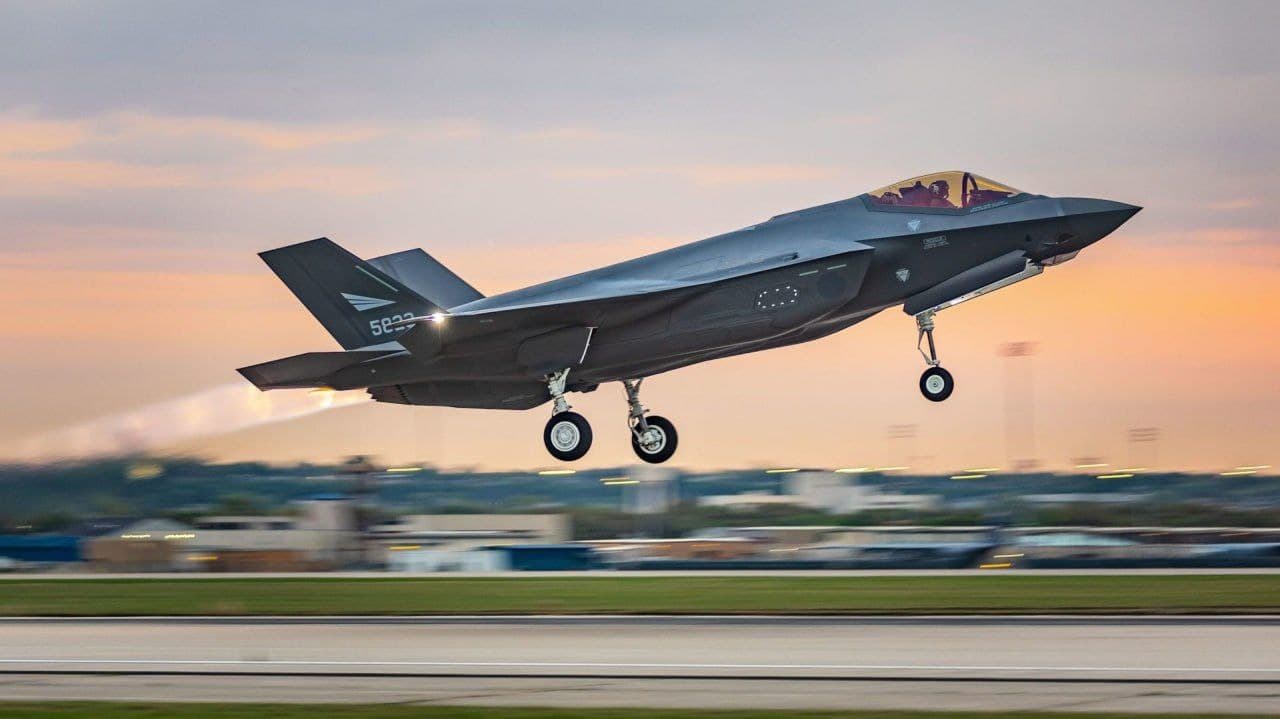
Qatar Requests F-35 Fighter Jets from the U.S. Amid Regional Arms Dynamics
On December 16, 2025, Qatar has formally submitted a request to the United States government to purchase F-35 fighter jets. This request marks a significant shift in Qatar"s defense procurement strategy, especially considering that a similar request was previously rejected five years ago. The F-35, developed by Lockheed Martin, is a fifth-generation multirole stealth fighter known for its advanced capabilities and versatility in various combat scenarios.
Key Details
The request from Qatar comes at a time of heightened military activity and arms negotiations in the Middle East. Israeli defense officials are closely monitoring this development, as they fear that the introduction of advanced U.S. arms sales to other regional players could compromise the Israeli Air Force"s qualitative military edge. In response to Qatar"s request, the Israeli defense establishment is preparing a package of requests to the U.S. administration. This package includes demands for two squadrons of advanced fighter jets: one squadron of F-35s and another of F-15I aircraft, which are specifically tailored to meet Israel"s unique operational requirements.
In addition to the fighter jets, Israeli officials are seeking expanded access to advanced munitions and related systems. The F-15I is an advanced variant of the F-15E Strike Eagle, customized for the Israeli Air Force, and is equipped with cutting-edge technology to enhance its combat effectiveness.
Israeli officials have expressed concerns that the potential sale of F-35s to Qatar could alter the balance of power in the region. The Israeli Air Force has long maintained a strategic advantage over its neighbors through superior technology and capabilities, and any new arms sales to countries like Qatar could challenge this status quo.
Background
The context of this arms request is critical, as it reflects broader trends in U.S. military sales in the Middle East. In recent years, the U.S. has engaged in various defense agreements with regional allies, including Saudi Arabia and the United Arab Emirates (UAE). Israeli officials are particularly wary of a potential U.S.-Saudi defense agreement, which could further enhance Saudi military capabilities. Additionally, there are discussions regarding renewed arms sales to the UAE and even potential future sales to Turkey, all of which could contribute to a shifting military landscape in the region.
The F-35 program has been a focal point of U.S. defense policy, with several countries in the region expressing interest in acquiring these advanced aircraft. The U.S. has historically been cautious about arms sales to ensure that Israel"s military superiority is not compromised, a principle known as the "Qualitative Military Edge" (QME). This principle is a cornerstone of U.S. defense policy in the region, aimed at maintaining stability and deterring conflict.
What"s Next
The implications of Qatar"s request for F-35 fighter jets and Israel"s subsequent push for compensatory capabilities are significant. As negotiations unfold, the U.S. administration will need to balance its commitments to both Qatar and Israel, ensuring that any arms sales do not destabilize the region. The outcome of these discussions could set the stage for future military dynamics in the Middle East, influencing not only U.S. relations with these nations but also the overall security architecture in the region.
As previously reported, the situation remains fluid, and developments in arms sales and military agreements will continue to evolve. Stakeholders in the region are keenly observing these negotiations, understanding that the balance of power may hinge on the decisions made in Washington.
For more on related coverage, see recent developments in U.S. political funding and its implications for foreign policy.




![[Video] President Trump restricts entry of foreign nationals to protect U.S. security](/_next/image?url=%2Fapi%2Fimage%2Fthumbnails%2Fthumbnail-1765925476990-qyuuqy-thumbnail.jpg&w=3840&q=75)