Russia Condemns US Aggression Against Venezuela, Calls for Dialogue
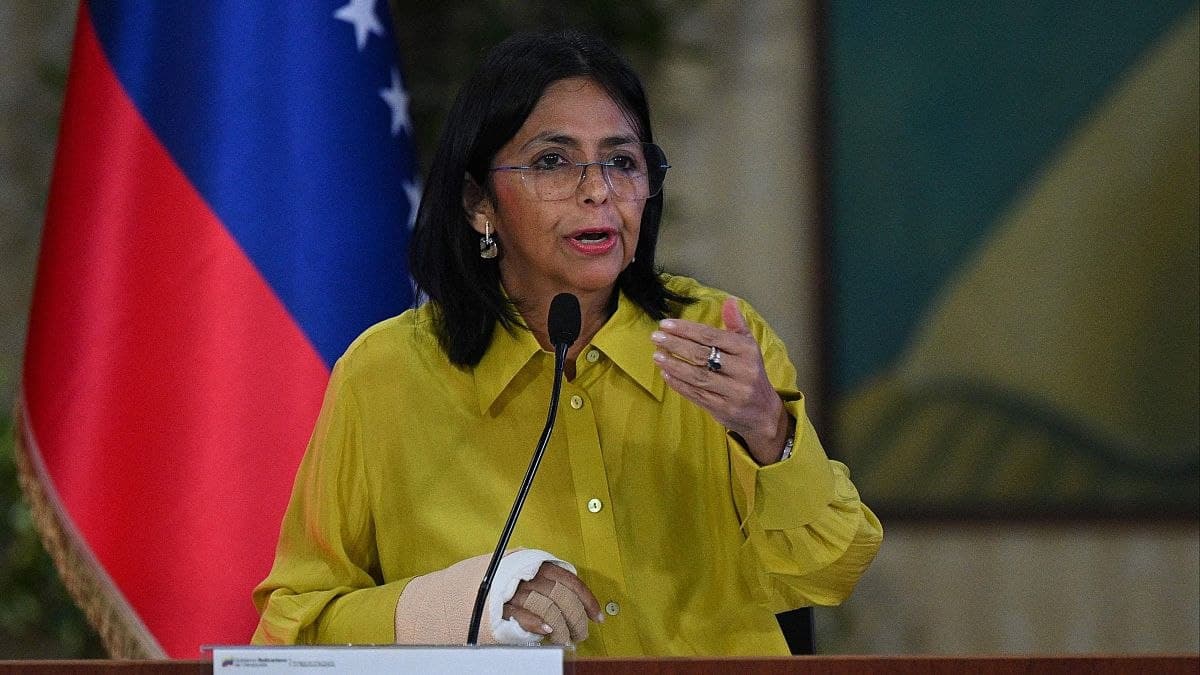
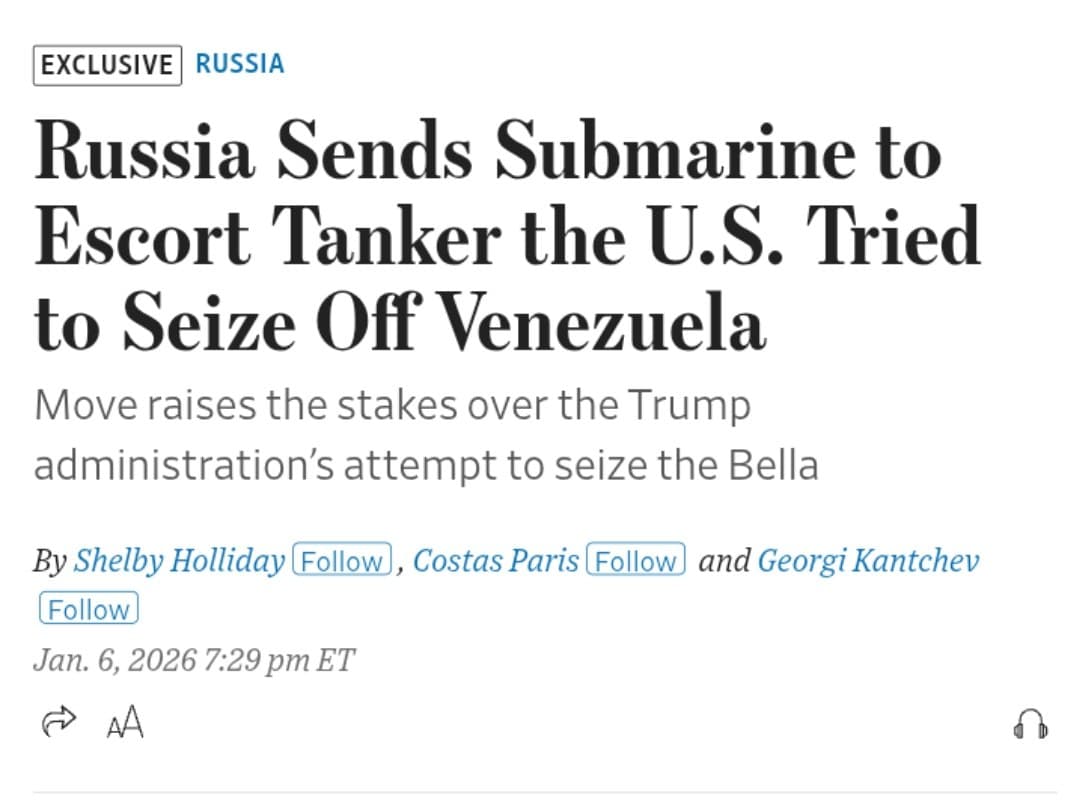
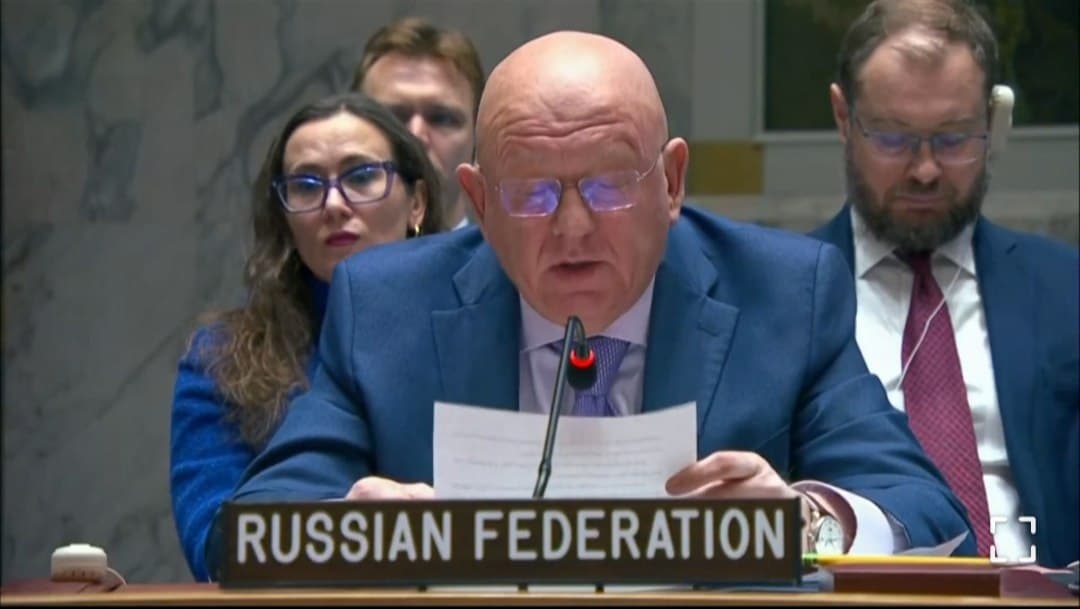
In a significant diplomatic statement, Vasily Nebenzya, the Permanent Representative of Russia to the United Nations, condemned the actions of the United States in Venezuela, asserting that there is no justification for what he termed "crimes perpetrated by the US in Caracas." This declaration comes amid heightened tensions between the US and Venezuela, with Nebenzya calling for immediate action from US leadership regarding the situation in the South American nation.
Key Details
Nebenzya"s remarks were made during a recent address at the United Nations, where he emphasized that the US"s military actions against Venezuela constitute an "armed aggression" that breaches international legal norms. He stated, "We firmly condemn the US act of armed aggression against Venezuela in breach of all international legal norms." This condemnation highlights the ongoing conflict between the two nations, particularly in light of the US"s historical involvement in Latin American politics.
In his address, Nebenzya specifically called for the release of the "legitimately elected President of an independent state and his spouse," referring to Nicolás Maduro, the President of Venezuela, and his wife, Cilia Flores. Maduro has faced significant opposition from the US, which has imposed sanctions and sought to undermine his government, claiming it is illegitimate. Nebenzya"s statement underscores Russia"s support for Maduro"s administration and its position against US intervention.
Furthermore, Nebenzya urged that any existing problems between the US and Venezuela should be resolved through dialogue, a principle he stated is enshrined in the United Nations Charter. He emphasized the importance of diplomatic engagement over military intervention, advocating for a peaceful resolution to the ongoing tensions.
Background
The relationship between the United States and Venezuela has been strained for years, particularly since Maduro"s rise to power in 2013. The US has consistently criticized his government for alleged human rights violations and corruption, leading to a series of sanctions aimed at crippling the Venezuelan economy. These sanctions have exacerbated the humanitarian crisis in Venezuela, leading to widespread shortages of food and medicine.
Russia, on the other hand, has positioned itself as a key ally of the Venezuelan government, providing economic and military support. This alliance is part of Russia"s broader strategy to expand its influence in Latin America, countering US dominance in the region. The situation in Venezuela has drawn international attention, with various countries taking sides in the conflict, reflecting the geopolitical stakes involved.
What"s Next
The call for dialogue by Russia may signal an attempt to de-escalate tensions, but the likelihood of a diplomatic breakthrough remains uncertain. The US has shown little inclination to change its approach towards Venezuela, maintaining its stance that Maduro"s government is illegitimate. As the situation evolves, the international community will be closely watching for any developments that could impact the stability of Venezuela and the broader region.
For further insights into related international dynamics, see our previous reports on military actions in Venezuela and the implications for US foreign policy.