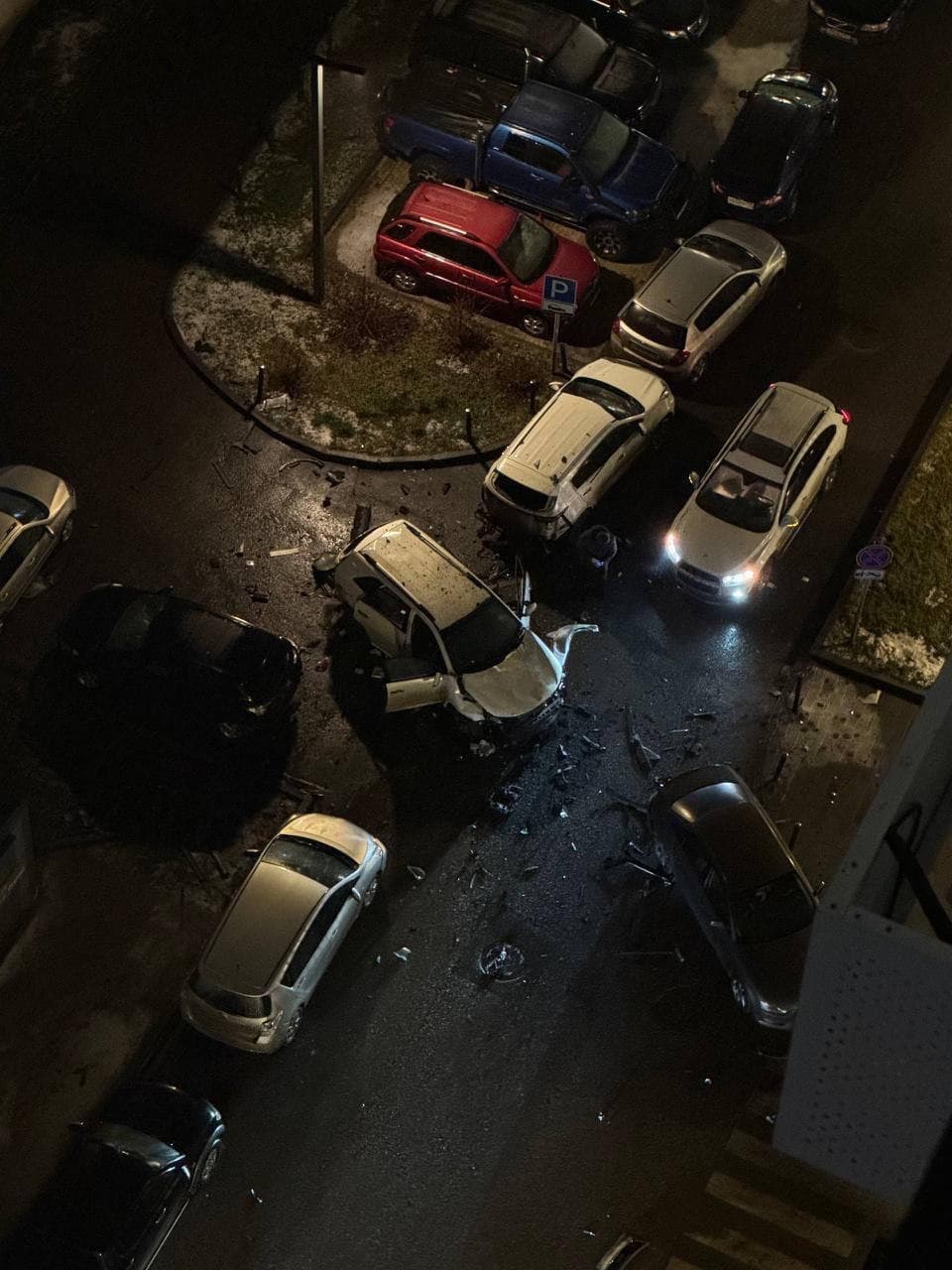
#BREAKING | Moscow, Russia — Lieutenant General Fanil Sarvarov, the head of the Operational Training Directorate of the Russian Armed Forces General Staff, was killed in a car bombing incident that occurred in southern Moscow on December 22, 2025. The explosion was caused by an improvised explosive device (IED) that detonated beneath his Kia Sorento vehicle shortly after it began to move in a residential area.
Key Details
Lieutenant General Sarvarov, aged 56, succumbed to injuries sustained from the blast, which Russian investigators are treating as a targeted assassination. The authorities are currently examining the possibility of involvement by Ukrainian special services in the attack. This incident marks a significant escalation in the ongoing tensions between Russia and Ukraine, particularly in light of the ongoing conflict that has persisted since 2014.
General Sarvarov was a seasoned military officer with extensive experience in various conflict zones, including Chechnya, South Ossetia, Syria, and Ukraine. His leadership role in the Operational Training Directorate placed him at the forefront of preparing Russian military forces for operational readiness and strategic deployment. The loss of such a high-ranking official is expected to have significant implications for the Russian military"s operational capabilities and strategic planning.
The car bombing occurred in a residential area, raising concerns about civilian safety and the potential for further violence in urban settings. The use of an IED in this context underscores the evolving tactics employed in modern warfare and targeted assassinations, particularly in regions experiencing conflict.
Background
The assassination of Lieutenant General Sarvarov comes amid heightened tensions between Russia and Ukraine, particularly following Russia"s annexation of Crimea in 2014 and the ongoing conflict in Eastern Ukraine. The Russian military has been actively involved in various operations in these regions, and Sarvarov"s role was pivotal in shaping military strategies and training programs. His experience in Chechnya and Syria, where Russia has engaged in military operations, further emphasizes his importance within the Russian Armed Forces.
In recent years, there have been multiple instances of targeted attacks on military officials and political figures in Russia, often attributed to the broader geopolitical struggles involving Ukraine and Western nations. The investigation into Sarvarov"s assassination is likely to focus on identifying the perpetrators and understanding the motivations behind the attack, which could lead to increased security measures for military personnel.
What"s Next
The implications of this assassination are profound, potentially leading to a reevaluation of security protocols for military officials in Russia. The Russian government may respond with heightened military operations or retaliatory measures against perceived threats, particularly from Ukraine. This incident could also escalate the rhetoric between the two nations, further complicating diplomatic relations.
As previously reported, the situation in Ukraine remains volatile, and the assassination of a high-ranking military official could exacerbate tensions. The Russian military"s operational readiness and strategic direction may be scrutinized in the wake of this incident, prompting discussions about internal security and counterintelligence measures within the armed forces.
For more on related coverage, see our article on recent developments regarding military incidents in Russia.
The assassination of Lieutenant General Fanil Sarvarov serves as a stark reminder of the ongoing conflict and the dangers faced by military personnel in regions affected by geopolitical strife. As investigations continue, the international community will be watching closely for any further developments.


![[Video] Ukraine's HUR disables two Russian fighter jets in sabotage operation](/_next/image?url=%2Fapi%2Fimage%2Fthumbnails%2Fthumbnail-1766402446482-mxs8b-thumbnail.jpg&w=3840&q=75)
