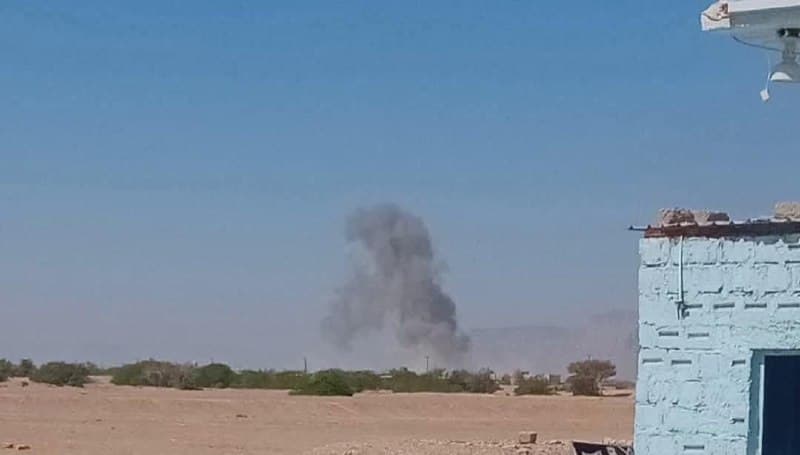
Saudi-led Coalition Airstrikes Target UAE-Backed STC Forces in Hadramout
In a significant escalation of tensions in Yemen, Saudi-led coalition airstrikes have targeted positions held by the United Arab Emirates (UAE)-backed Southern Transitional Council (STC) forces in Hadramout province. The airstrikes, which occurred on January 2, 2026, specifically struck a separatist camp and the 37th Brigade located in the al-Khasha area. This military action has raised concerns about the ongoing conflict in Yemen, which has seen various factions vying for control amid a complex geopolitical landscape.
Key Details
The airstrikes were carried out by the Saudi-led coalition, which has been involved in the Yemeni civil war since 2015, supporting the internationally recognized government against Houthi rebels. The STC, which seeks greater autonomy for southern Yemen, has received backing from the UAE, complicating the conflict further. Following the airstrikes, STC officials accused the attackers of having links to extremist groups, including the Muslim Brotherhood, al-Qaeda, and Houthi elements. They vowed to "confront and crush extremist militias," indicating a potential escalation in hostilities.
In addition to the airstrikes, Saudi-backed government forces, which include units from the Nation Shield, are reportedly advancing in what they have termed a "peaceful operation" aimed at retaking military sites from the STC. This operation underscores the ongoing struggle for power and territory in Yemen, where multiple factions are engaged in a protracted conflict that has resulted in widespread humanitarian crises.
Background
The conflict in Yemen has its roots in a complex interplay of local, regional, and international interests. The STC emerged in 2017, advocating for the independence of southern Yemen, which was previously a separate state before unification with the north in 1990. The UAE"s support for the STC has been part of its broader strategy to exert influence in the region, particularly in the context of countering Iranian influence through its support of the Houthi movement.
Saudi Arabia, on the other hand, has been focused on restoring the internationally recognized government of President Abdrabbuh Mansur Hadi, who has faced significant challenges from both the Houthis and separatist forces. The airstrikes and military operations reflect the ongoing volatility in Yemen, where the humanitarian situation remains dire, with millions facing famine and displacement.
What"s Next
The recent airstrikes and military advances signal a potential escalation in the conflict, with both sides preparing for further confrontations. The STC"s commitment to countering what they perceive as extremist threats may lead to increased clashes with Saudi-backed forces, complicating efforts for a peaceful resolution. As the situation develops, the international community will be closely monitoring the implications for regional stability and humanitarian conditions in Yemen.
For further context on related geopolitical tensions, see our coverage on Iran"s warnings against intervention and Trump"s stance on Iran"s actions.