Supreme Court Blocks Trump"s Attempt to Federalize National Guard in Chicago
Author: Rachel Green | Date: December 27, 2025
The United States Supreme Court has issued a ruling that effectively blocks President Donald Trump"s efforts to federalize and deploy National Guard forces in response to immigration enforcement operations in Chicago. This decision underscores the judiciary"s power to halt executive actions, a move that has sparked significant debate regarding the balance of power between the branches of government.
Key Details
The Supreme Court"s ruling maintains a lower-court order that prevents the federal government from deploying National Guard troops to assist with immigration enforcement in Chicago. This legal battle centers around the President"s authority to mobilize state National Guard units for federal purposes without state consent, particularly in a politically charged environment where immigration policies are contentious.
Legal scholars and political commentators have pointed out that this ruling highlights a broader issue of judicial overreach, suggesting that allowing the judiciary to dictate executive actions could undermine the principles of self-governance. The phrase "salus populi," attributed to Cicero, emphasizes the importance of the public good, suggesting that the executive branch should have the ability to make decisive actions in times of crisis.
Furthermore, the ruling reflects a judicial preference for maintaining the status quo, as it blocks the deployment of National Guard forces while litigation continues. This decision implies a judicial stance that prioritizes the risk of executive incapacity over the potential for executive overreach. Critics argue that this could lead to a situation where vital political questions are resolved solely by the judiciary, rather than through democratic processes.
Background
The case has drawn attention not only for its immediate implications but also for its constitutional significance. Historical figures such as Thomas Jefferson and Andrew Jackson have advocated for a strong executive branch capable of decisive action, a sentiment that resonates with some modern political thinkers. The ongoing litigation in Chicago will likely delve into these constitutional questions, examining whether the American public still believes in the capacity of self-governance to authorize necessary actions for the common good.
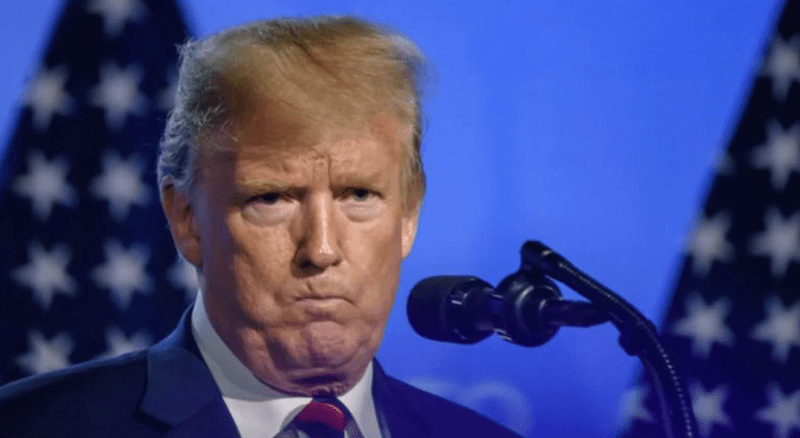
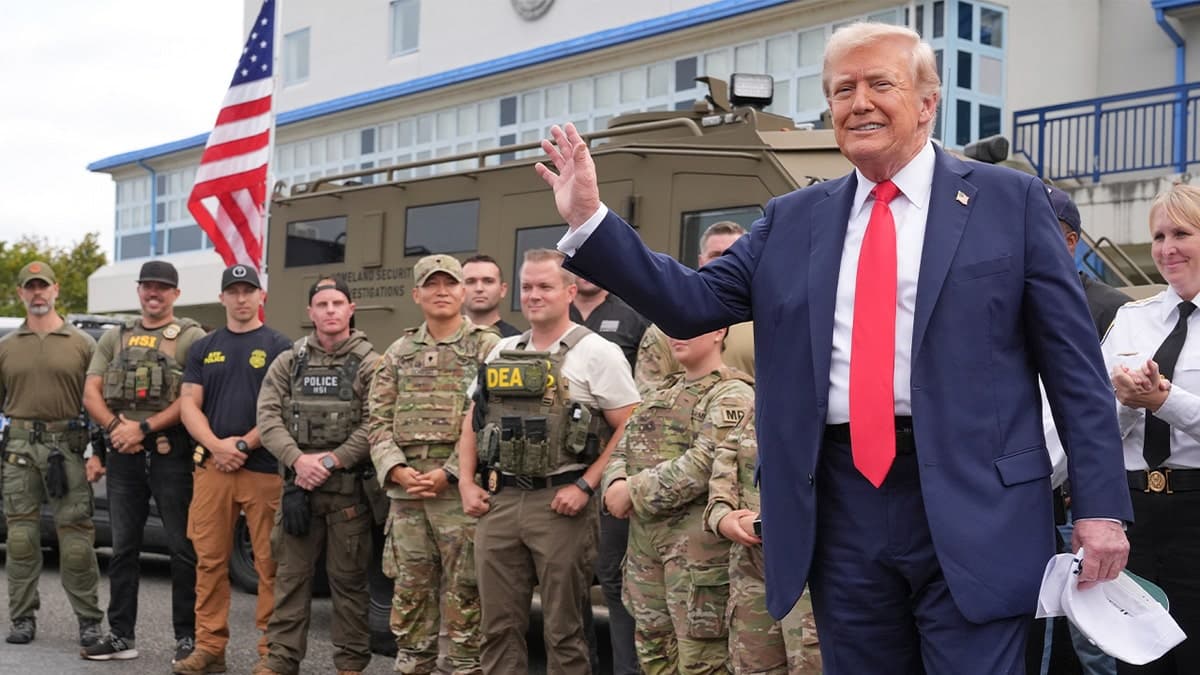
Image for Supreme Court blocks Trump"s attempt to federalize National Guard in Chicago
What"s Next
As the legal proceedings continue, the implications of this ruling will be closely monitored. The outcome could set a precedent regarding the limits of executive power and the role of the judiciary in overseeing such actions. Observers will be watching to see if the American public"s faith in self-governance is reaffirmed or if the judiciary"s role in determining significant political questions becomes more entrenched.
In related coverage, Speaker Mike Johnson has recently stated that he has no plans to arrest Minnesota Governor Tim Walz amid ongoing fraud allegations, highlighting the complex interplay of state and federal authority in political matters. For more on this, see recent developments.