Swedish Authorities Board Russian Cargo Ship Adler After Engine Failure
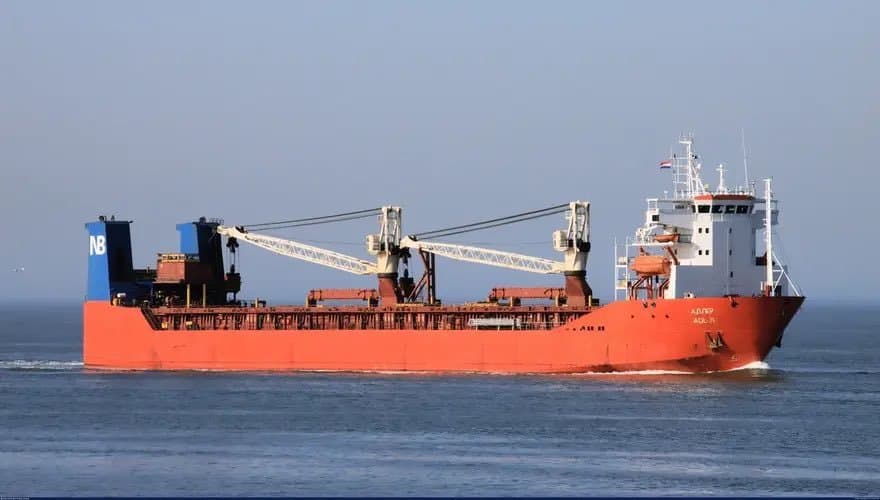
In a significant maritime operation, Swedish authorities boarded the Russian cargo ship Adler overnight on December 21, 2025, after the vessel experienced an engine failure and anchored off the coast of Höganäs, a locality in Sweden. The operation involved multiple agencies, including Customs, the Coast Guard, police special units, and security services, highlighting the seriousness of the situation.
Key Details
The Adler is owned by M Leasing LLC, a Russian company that has been sanctioned by both the European Union (EU) and the United States (US). These sanctions were imposed due to allegations that the company was involved in transporting ammunition from North Korea, which was subsequently used by Russian forces in the ongoing conflict in Ukraine. The sanctions against M Leasing LLC are part of broader international efforts to curb military support to Russia amid its military actions in Ukraine.
According to Swedish Customs, the boarding operation proceeded without incident, and as of Sunday morning, the inspection of the vessel was still ongoing. However, no official findings have been disclosed by the authorities at this time, leaving the nature of the inspection and any potential implications unclear.
The boarding of the Adler comes at a time of heightened scrutiny of Russian maritime activities, particularly those involving sanctions and military logistics. The involvement of multiple agencies in the operation underscores the collaborative efforts of Swedish authorities to monitor and control maritime traffic that may pose a security risk.
Background
The situation surrounding the Adler is part of a larger context of international tensions involving Russia, particularly in relation to its actions in Ukraine. The sanctions imposed on M Leasing LLC are indicative of the international community"s response to Russia"s military engagements and its alleged support for North Korean arms transfers. The EU and US have been actively working to restrict the flow of military supplies to Russia, and incidents like the boarding of the Adler reflect ongoing efforts to enforce these sanctions.
Höganäs, where the Adler anchored, is located in southern Sweden and is known for its coastal activities, including shipping and fishing. The presence of a sanctioned Russian vessel in Swedish waters raises concerns about the potential for illicit activities and the need for vigilant maritime enforcement.
Image for Swedish authorities board Russian cargo ship Adler after engine failure
What"s Next
As the inspection of the Adler continues, the outcome may have implications for international maritime law and the enforcement of sanctions against Russia. The findings of Swedish authorities could lead to further actions, including potential legal repercussions for the vessel"s owners or operators. Additionally, this incident may prompt a reevaluation of maritime security protocols in the region, especially concerning vessels linked to sanctioned entities.
In light of recent developments in international maritime operations, such as the U.S. oil blockade of Venezuela, which threatens Cuba"s economic stability, and the boarding of vessels like the Bella 1 near Venezuela to avoid U.S. seizure, the situation with the Adler reflects a growing trend of heightened vigilance and enforcement in global shipping lanes. These actions are part of a broader strategy to address violations of international sanctions and ensure compliance with maritime laws.
As the situation unfolds, stakeholders in maritime security and international relations will be closely monitoring the developments surrounding the Adler and its implications for future maritime operations involving sanctioned entities.

![[Video] Swedish Customs and Security Service board Russian ship Adler in Höganäs](/_next/image?url=%2Fapi%2Fimage%2Fthumbnails%2Fthumbnail-1766332848384-ioseka-thumbnail.jpg&w=3840&q=75)