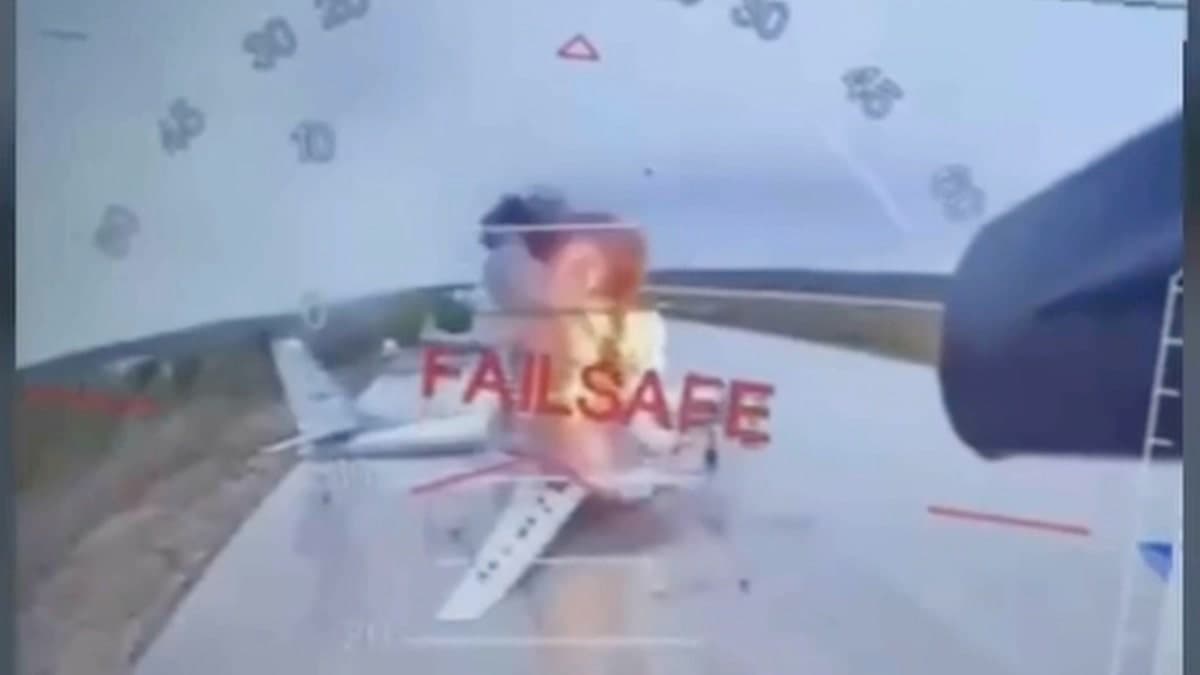
Russia Intensifies Drone Activity in Turkish Airspace Amid Rising Tensions
As geopolitical tensions escalate, the Institute for the Study of War (ISW) has reported that Russia is ramping up both covert and overt military operations targeting Europe. This development coincides with what ISW describes as "Phase Zero," a phase characterized by informational and psychological preparations for a potential conflict between NATO and Russia. The situation has become particularly concerning for Turkey, which has experienced multiple drone incidents in recent weeks.
Key Details
Since December 15, 2025, Turkish airspace has been breached by at least three drones, two of which are believed to be Russian models. The Turkish Ministry of National Defense confirmed on December 15 that Turkish and NATO forces successfully intercepted and shot down a drone that was approaching Turkish airspace from the Black Sea. However, the ministry did not disclose the specific type or origin of the drone involved in this incident.
Following this, on December 19, Turkish authorities reported the discovery of a downed Russian Orlan-10 reconnaissance drone near Izmit, located in northwestern Turkey. The Orlan-10 is a well-known unmanned aerial vehicle used by the Russian military for reconnaissance and surveillance missions.
On December 20, Turkish media outlets reported a third drone crash in Balıkesir Province, also situated in northwestern Turkey. This drone reportedly crashed on an earlier date, and like the previous incidents, it bore no identifying markings. A Russian military blogger claimed that this third drone was a Russian Merlin-VR reconnaissance drone, further suggesting the involvement of Russian technology in these incidents.
Despite the evidence pointing towards Russian drones, Turkish authorities have not officially attributed these incidents to Russia as of the latest reports.
Background
The recent drone incidents are part of a broader pattern of escalating tensions between Russia and NATO member states. The ISW"s assessment indicates that Russia is preparing for potential military engagements, which could have significant implications for European security. The use of drones in these incidents highlights the evolving nature of warfare, where unmanned systems play a critical role in reconnaissance and intelligence-gathering operations.
Turkey"s strategic location, bordered by both the Black Sea and the Mediterranean Sea, makes it a crucial player in regional security dynamics. The country"s military cooperation with NATO and its own defense capabilities will be tested as incidents like these continue to unfold.
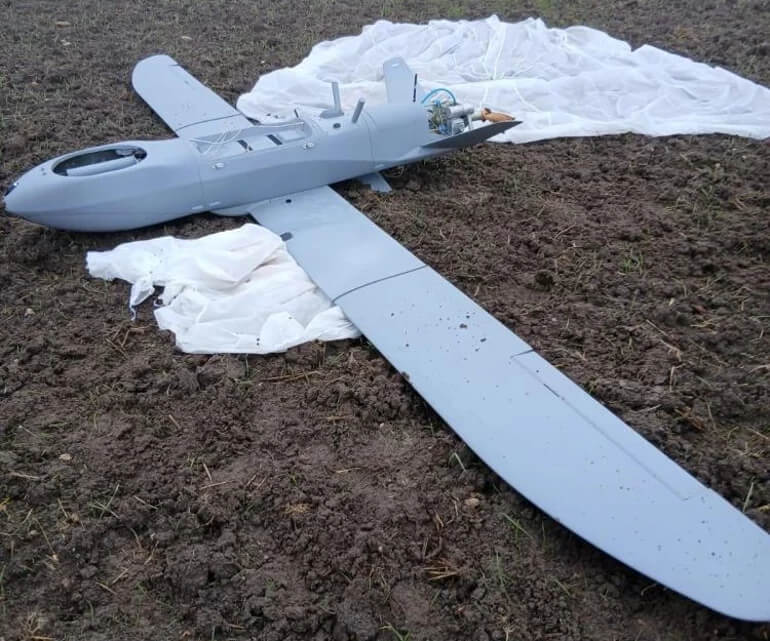
Image for Three drones, including Russian models, crash in Turkey since December 15
What"s Next
The implications of these drone incidents could be far-reaching. As tensions rise, Turkey may need to bolster its air defense systems and enhance its military readiness to counter potential threats from Russian military activities. The international community will be closely monitoring the situation, as any escalation could lead to broader conflicts involving NATO and Russia.
For further context on similar situations, readers can refer to recent developments involving Russian military activities in other regions, highlighting the ongoing challenges faced by European nations in maintaining security and sovereignty.
As the situation develops, it remains critical for Turkey and its NATO allies to assess the implications of these drone incursions and to prepare for any potential responses that may be necessary to safeguard their airspace and national security.

![[Video] Swedish Customs and Security Service board Russian ship Adler in Höganäs](/_next/image?url=%2Fapi%2Fimage%2Fthumbnails%2Fthumbnail-1766332848384-ioseka-thumbnail.jpg&w=3840&q=75)