Trump Administration Extends U.S. Travel and Entry Bans to 27 Countries
On December 17, 2025, the Trump Administration announced an extension of travel and entry bans affecting 27 countries. This decision continues the administration"s stringent immigration policies aimed at addressing national security concerns. The updated list includes both countries subject to a full entry ban and those facing partial restrictions.
Key Details
The countries facing a full entry ban into the United States are:
- Afghanistan
- Myanmar
- Chad
- Eritrea
- Haiti
- Iran
- Libya
- Somalia
- Sudan
- Yemen
- Republic of the Congo
- Equatorial Guinea
- Mali (newly added)
- Syria (newly added)
- Niger (newly added)
- South Sudan (newly added)
- Burkina Faso (newly added)
- Palestinian territories (newly added)
In addition to the full entry bans, the following countries are subject to partial restrictions:
- Burundi
- Cuba
- Laos
- Sierra Leone
- Togo
- Turkmenistan
- Venezuela
- Angola (newly added)
- Antigua and Barbuda (newly added)
- Benin (newly added)
- Côte d’Ivoire (newly added)
- Dominica (newly added)
- Gabon (newly added)
- Gambia (newly added)
- Malawi (newly added)
- Mauritania (newly added)
- Nigeria (newly added)
- Senegal (newly added)
- Tanzania (newly added)
- Tonga (newly added)
- Zambia (newly added)
- Zimbabwe (newly added)
Background
The travel bans have been a significant aspect of the Trump Administration"s immigration policy, which has faced both domestic and international scrutiny. The administration has argued that these measures are necessary to protect national security and prevent terrorism. The inclusion of new countries in the full entry ban, such as Mali, Syria, Niger, South Sudan, Burkina Faso, and the Palestinian territories, reflects ongoing concerns regarding security threats from these regions.
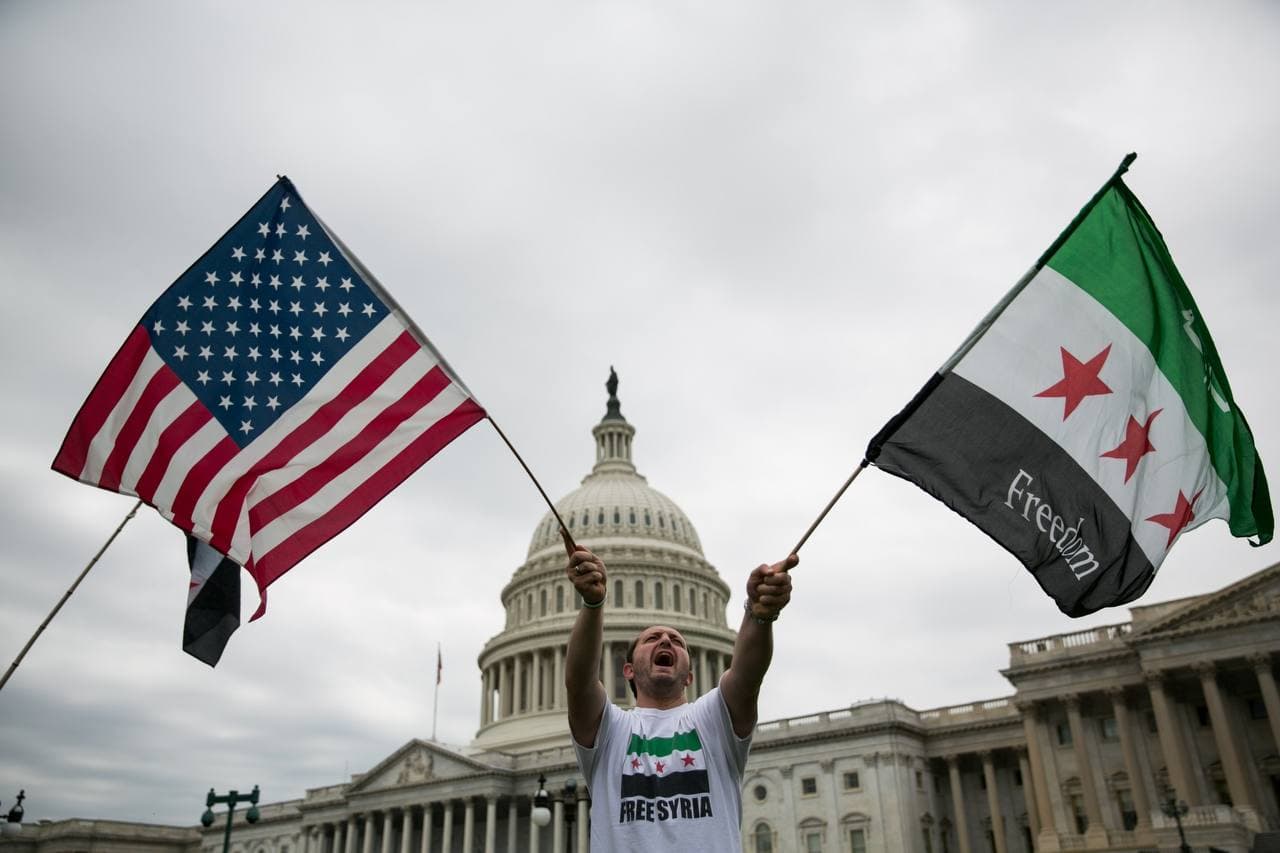
Previously, the administration had renewed travel bans on specific nationalities, including a notable extension for Syrian nationals, which has been covered in earlier reports. This consistent approach to immigration policy underscores the administration"s commitment to its national security agenda.
What"s Next
The extension of these travel and entry bans is expected to have significant implications for diplomatic relations between the United States and the affected countries. Families and individuals from these nations may face increased challenges in obtaining visas or entering the U.S., impacting both personal and professional ties. The administration"s ongoing focus on immigration policy will likely continue to be a contentious issue in U.S. politics as it intersects with broader discussions on national security and human rights.
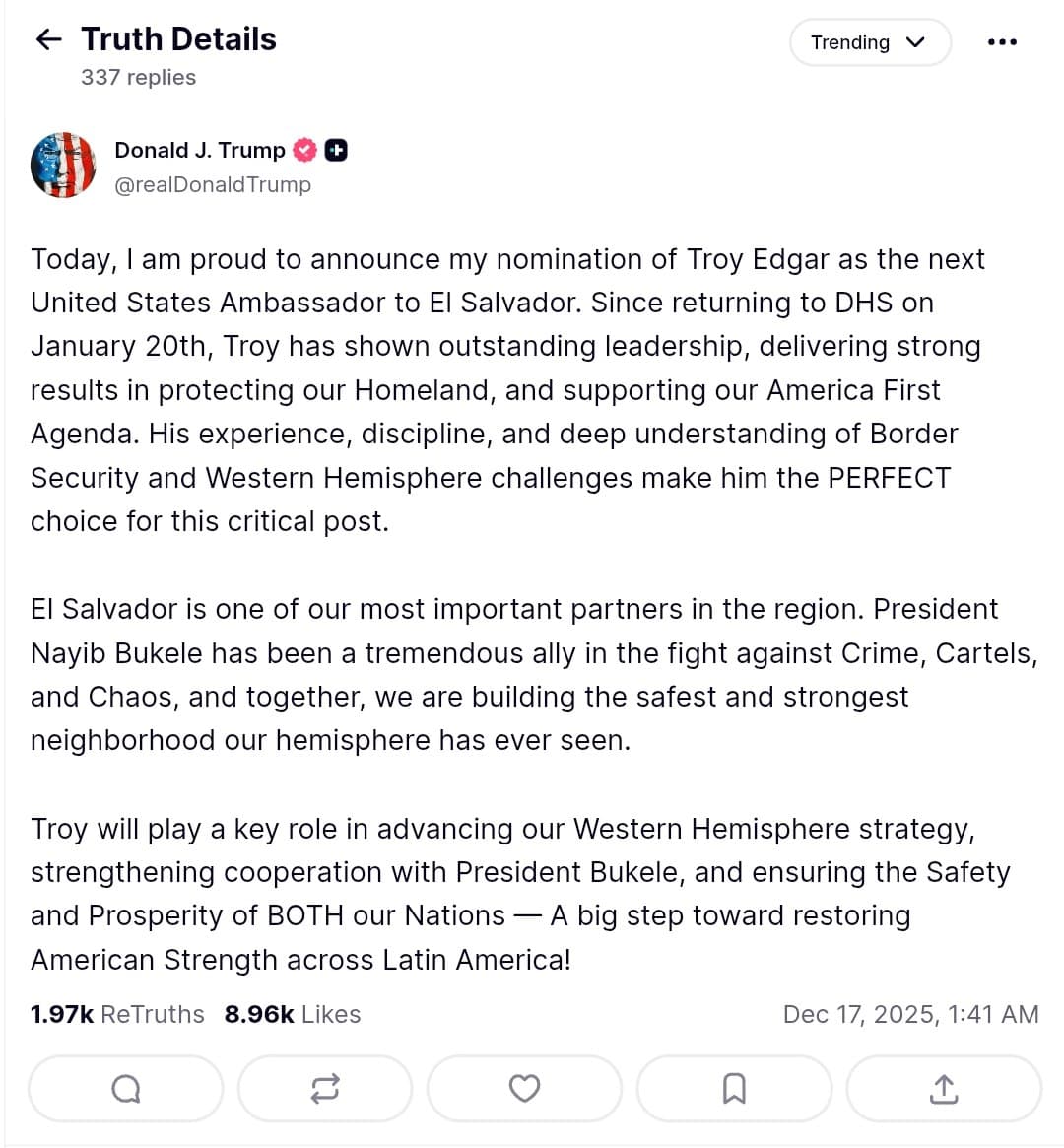
For further information on related topics, see our coverage on the renewed travel ban on Syrian nationals and recent developments in U.S. diplomatic appointments.
![[Video] President Trump restricts entry of foreign nationals to protect U.S. security](/_next/image?url=%2Fapi%2Fimage%2Fthumbnails%2Fthumbnail-1765925476990-qyuuqy-thumbnail.jpg&w=3840&q=75)
![[Video] Somalian communities in Minneapolis set up roadblocks to prevent ICE](/_next/image?url=%2Fapi%2Fimage%2Fthumbnails%2Fthumbnail-1765840323454-935ay-thumbnail.jpg&w=3840&q=75)