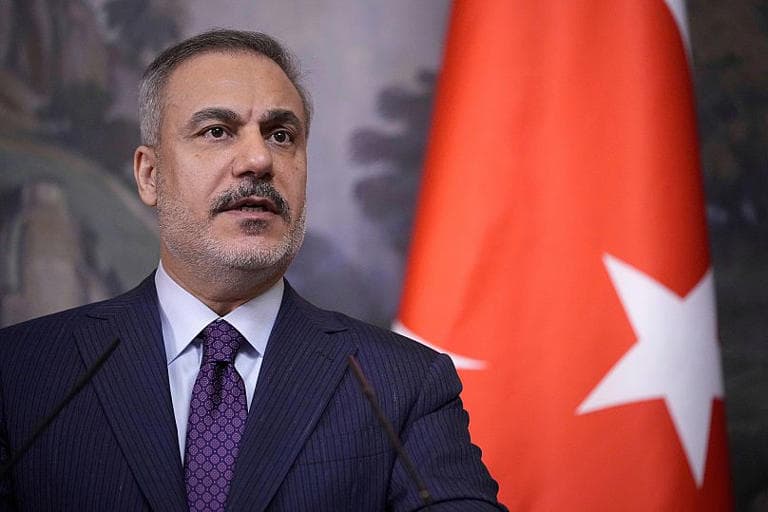
Turkish Foreign Minister Hakan Fidan stated during a press conference in Damascus that the Kurdish-led Syrian Democratic Forces (SDF) are not making progress towards integrating into Syria"s state structures. This assertion was made following discussions with his Syrian counterpart, Asaad al-Shibani, highlighting ongoing tensions in the region.
Key Details
During a joint press conference held on December 22, 2025, in the Syrian capital of Damascus, Turkish Foreign Minister Hakan Fidan addressed the current status of the Syrian Democratic Forces (SDF). Fidan emphasized that the SDF, which has been a significant military player in the Syrian conflict, does not seem to be taking steps to further the integration process into the Syrian state. This lack of initiative from the SDF raises concerns about the group"s role in the broader context of Syrian unity.
Fidan articulated the importance of the SDF ceasing to act as an obstacle to the unity of Syria. He pointed out that the ongoing coordination between the SDF and Israel is complicating the implementation of any potential integration agreements. This statement underscores the complex geopolitical dynamics at play, particularly the relationships between various factions within Syria and external actors such as Israel.
Asaad al-Shibani, the Syrian Foreign Minister, participated in the press conference alongside Fidan, indicating a collaborative effort between Turkey and Syria to address the situation regarding the SDF. The discussions reflect a broader effort to stabilize the region and potentially reconcile various factions within Syria.
Background
The Syrian Democratic Forces have been a crucial ally of the United States in the fight against the Islamic State (ISIS) in Syria. However, their relationship with the Syrian government has been fraught with tension, as the SDF primarily represents Kurdish interests, which have historically been marginalized in Syrian politics. The SDF"s control over significant territories in northern Syria has led to ongoing conflicts with the Syrian government and its allies.
Turkey has long viewed the SDF with suspicion, as it is linked to the PKK (Kurdistan Workers" Party), which Turkey considers a terrorist organization. This perspective has fueled Turkey"s military operations in northern Syria aimed at curbing Kurdish autonomy and influence. The recent comments by Fidan reflect Turkey"s ongoing concerns about the SDF"s role in the region and its implications for Turkish national security.
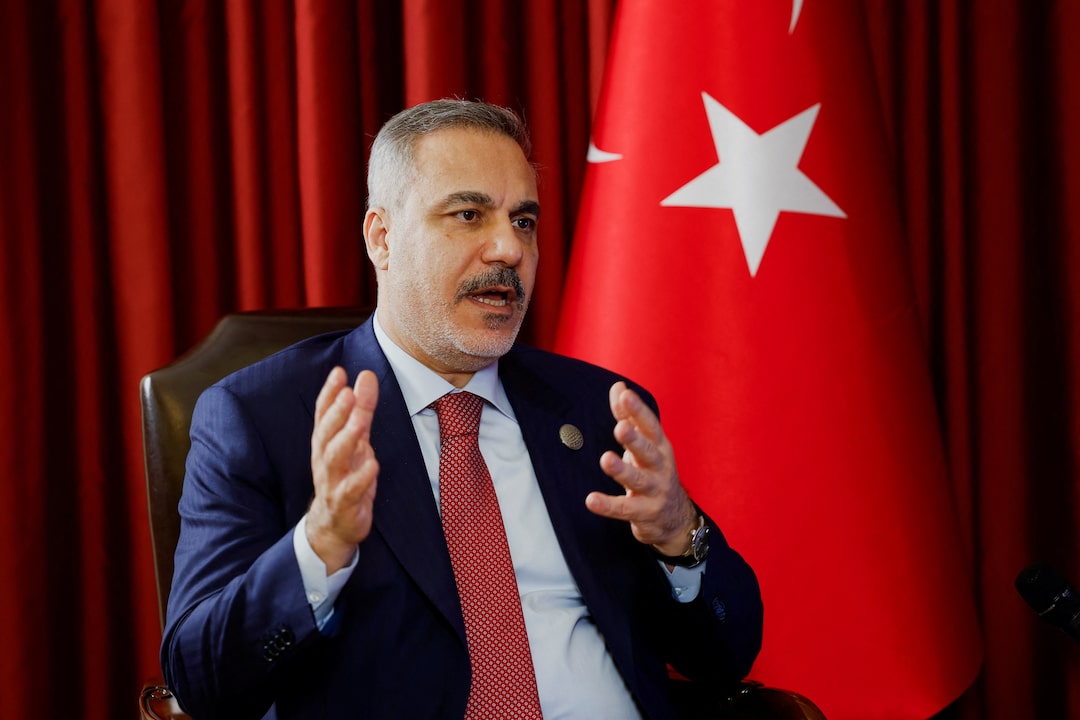
Image for Turkish Foreign Minister: SDF not advancing integration into Syria
What"s Next
The statements made by Fidan suggest that without a shift in the SDF"s approach, the prospects for integration into Syria"s state structures remain bleak. The Turkish government appears to be advocating for a more unified Syrian state, free from what it perceives as divisive forces. The coordination between the SDF and Israel, as mentioned by Fidan, may continue to be a significant point of contention in future negotiations.
As the situation evolves, the international community will be closely monitoring the interactions between Turkey, Syria, and the SDF, particularly in light of recent developments in the region. For further insights into the ongoing conflict, see our related coverage on clashes between Syrian forces and the SDF in Aleppo"s Ashrafiyah neighborhood.
In conclusion, the dialogue between Turkey and Syria regarding the SDF"s role and the broader implications for Syrian unity will be critical in shaping the future political landscape of the region. The lack of progress towards integration highlights the complexities of the Syrian conflict and the challenges that lie ahead for all parties involved.
![[Video] Trump criticizes Colombian President Petro over cocaine factories](/_next/image?url=%2Fapi%2Fimage%2Fthumbnails%2Fthumbnail-1766445089650-kjy36-thumbnail.jpg&w=3840&q=75)

![[Video] Trump claims Greenland is hosting Chinese and Russian ships](/_next/image?url=%2Fapi%2Fimage%2Fthumbnails%2Fthumbnail-1766445049285-llfqt-thumbnail.jpg&w=3840&q=75)

![[Video] Joel Davis denied bail at NSW court on December 23, 2025](/_next/image?url=%2Fapi%2Fimage%2Fthumbnails%2Fthumbnail-1766456767178-qf0s6-thumbnail.jpg&w=3840&q=75)