UAE-backed Southern Transitional Council Sends Delegation to Israel
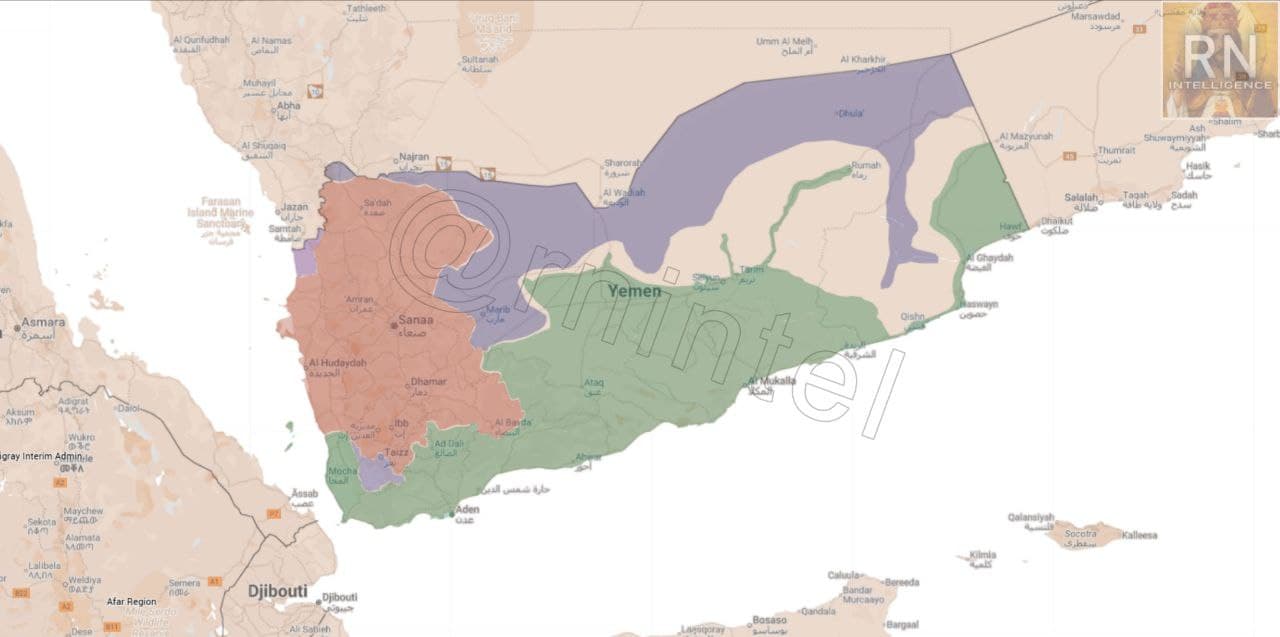
On December 12, 2025, the Southern Transitional Council (STC) of Yemen, which is backed by the United Arab Emirates (UAE), dispatched a delegation to Tel Aviv, Israel. The delegation aims to communicate a shared interest in countering the Ansarullah movement, also known as the Houthis. This development was reported by Sameral al-Atrush of The Times. The STC is reportedly willing to recognize Israel and sign the Abraham Accords in exchange for support from the United States and Israel in their conflict against the Houthis.
Key Details
The Southern Transitional Council is a political organization in Yemen that seeks greater autonomy for the southern regions of the country. The STC has been involved in ongoing conflicts with the Houthis, a group that has been in control of significant portions of Yemen since 2014. The Houthis, also referred to as Ansarullah, are backed by Iran and have been engaged in a protracted civil war against the internationally recognized Yemeni government.
The delegation"s visit to Israel underscores a significant shift in regional alliances, as the STC seeks to align itself with Israel and the UAE against a common adversary. The Abraham Accords, which were signed in 2020, normalized relations between Israel and several Arab nations, including the UAE. The STC"s potential recognition of Israel marks a notable development in the context of Middle Eastern geopolitics, particularly in relation to the ongoing conflict in Yemen.
In a parallel development, high-level talks are taking place in El-Alamein, Egypt, involving senior officials from the UAE and Israel. While the specific subjects of these discussions remain undisclosed, the meetings indicate a deepening of ties among these nations, particularly in the context of shared security concerns in the region.
Background
The Southern Transitional Council was established in 2017 and has since sought to assert control over southern Yemen, often clashing with forces loyal to the Yemeni government. The ongoing conflict in Yemen has resulted in one of the world"s worst humanitarian crises, with millions facing food insecurity and lack of access to basic services.
The Houthis have been a dominant force in Yemen, controlling the capital, Sana"a, and other key areas. Their conflict with the STC and the Yemeni government has drawn in regional powers, including Saudi Arabia and Iran, further complicating the situation. The STC"s overture to Israel reflects a broader trend of Arab nations seeking to redefine their relationships in light of shared threats, particularly from Iranian influence in the region.
What"s Next
The STC"s willingness to recognize Israel and engage in the Abraham Accords could lead to a significant realignment of political alliances in the Middle East. If the STC secures support from the U.S. and Israel, it may strengthen its position against the Houthis and potentially alter the dynamics of the Yemeni conflict. The ongoing talks in Egypt may also yield new strategies for cooperation among the UAE, Israel, and other regional players, as they navigate the complex landscape of Middle Eastern politics.
As previously reported, the situation in Yemen remains fluid, and developments such as these could have far-reaching implications for regional stability and security. The STC"s actions and the outcomes of the talks in Egypt will be closely monitored by international observers and stakeholders in the region.


![[Video] Terrorist attack at Bondi Beach kills 10, injures dozens during Hanukkah event](/_next/image?url=%2Fapi%2Fimage%2Fthumbnails%2Fthumbnail-1765707643006-2pk18t-thumbnail.jpg&w=3840&q=75)