UAE"s Strategic Maneuvers in the Middle East and Africa: A Comprehensive Overview
In December 2025, the United Arab Emirates (UAE) has made significant geopolitical moves that have implications for various regions, particularly in Libya, Yemen, and Somalia. These actions involve military support, territorial ambitions, and international alliances that reflect the UAE"s growing influence in the region.
UAE"s Military Support to Libya
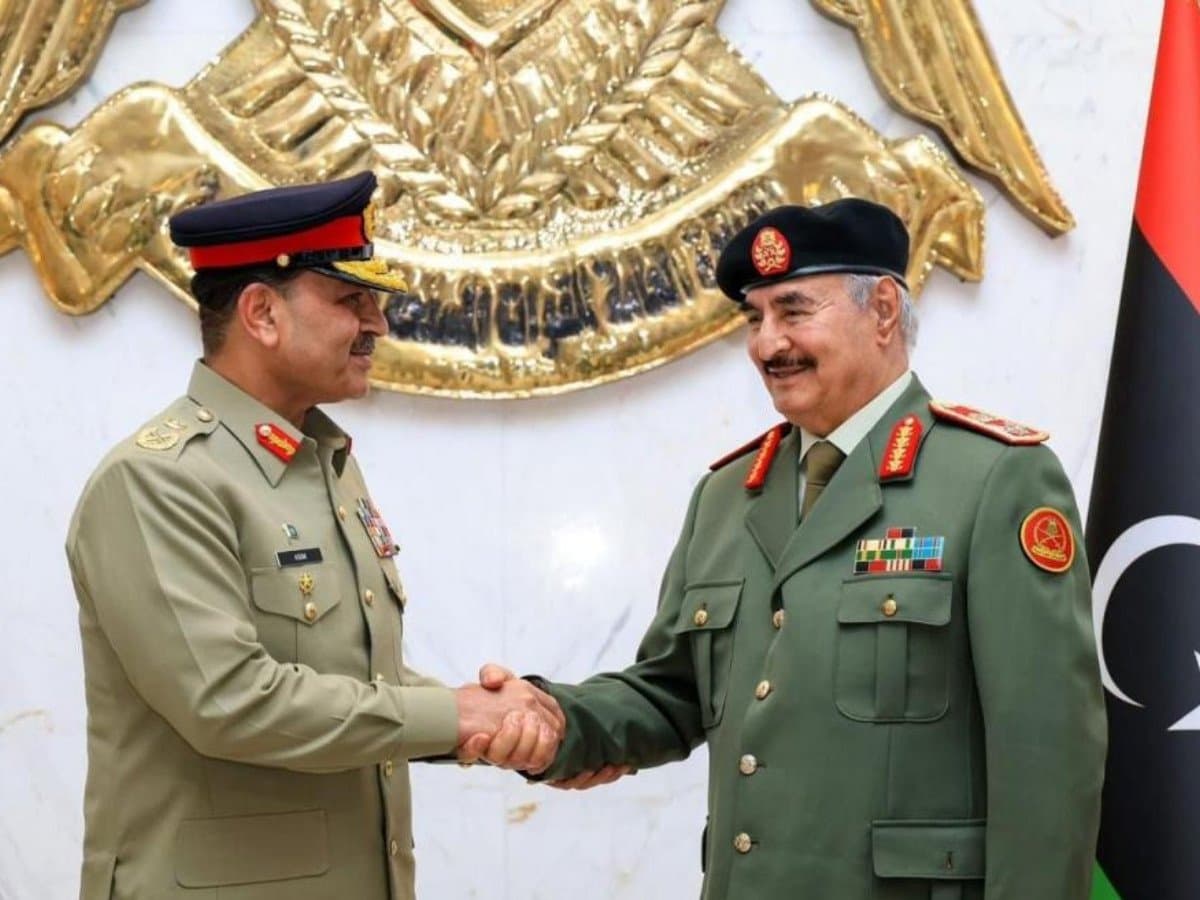
The UAE has reportedly ordered General Asim Munir of Pakistan to supply weapons to Khalifa Haftar, a prominent military leader in Libya. This directive is part of a broader strategy to bolster Haftar"s forces, which are engaged in a complex civil conflict in the North African nation. The expectation is that Haftar will subsequently transfer these weapons to Mohamed Hamdan Dagalo, commonly known as Hemedti, who is leading military operations in Sudan. Hemedti’s forces have been accused of committing atrocities against the Sudanese population, with allegations of genocide stemming from a lack of trust by UAE’s Crown Prince Mohammed bin Zayed in the Sudanese people"s ability to elect suitable leaders during elections.
General Munir"s compliance with this order highlights the UAE"s willingness to engage in military logistics across borders, further entrenching its influence in North Africa.
UAE"s Role in Yemen"s Southern Separatist Movement
In Yemen, the UAE is reportedly exerting pressure on Saudi Arabia"s Crown Prince Mohammed bin Salman by supporting the Southern Separatists. These groups are being equipped and encouraged to seize territory in Hadhramout, a region that Saudi Arabia has deemed a "red line." The UAE"s actions are seen as part of a broader strategy to establish an independent southern state that would serve its interests in the Red Sea and the strategically important Bab al-Mandab Strait.
This potential new state is expected to play a crucial role in safeguarding the Israeli presence on Socotra Island, aligning with an agreement between the UAE and Israel. Under this arrangement, Israel is anticipated to lobby the United States for greater leeway in UAE"s foreign policy endeavors, particularly in the context of regional conflicts.
Crown Prince bin Salman faces a dilemma as he navigates the complexities of Yemen"s political landscape, torn between the threats posed by the Houthi movement, the Islah party (linked to the Muslim Brotherhood), and the internationally recognized Yemeni government he supports. His indecision stems from concerns that a forceful response to UAE"s actions could inadvertently empower these groups.
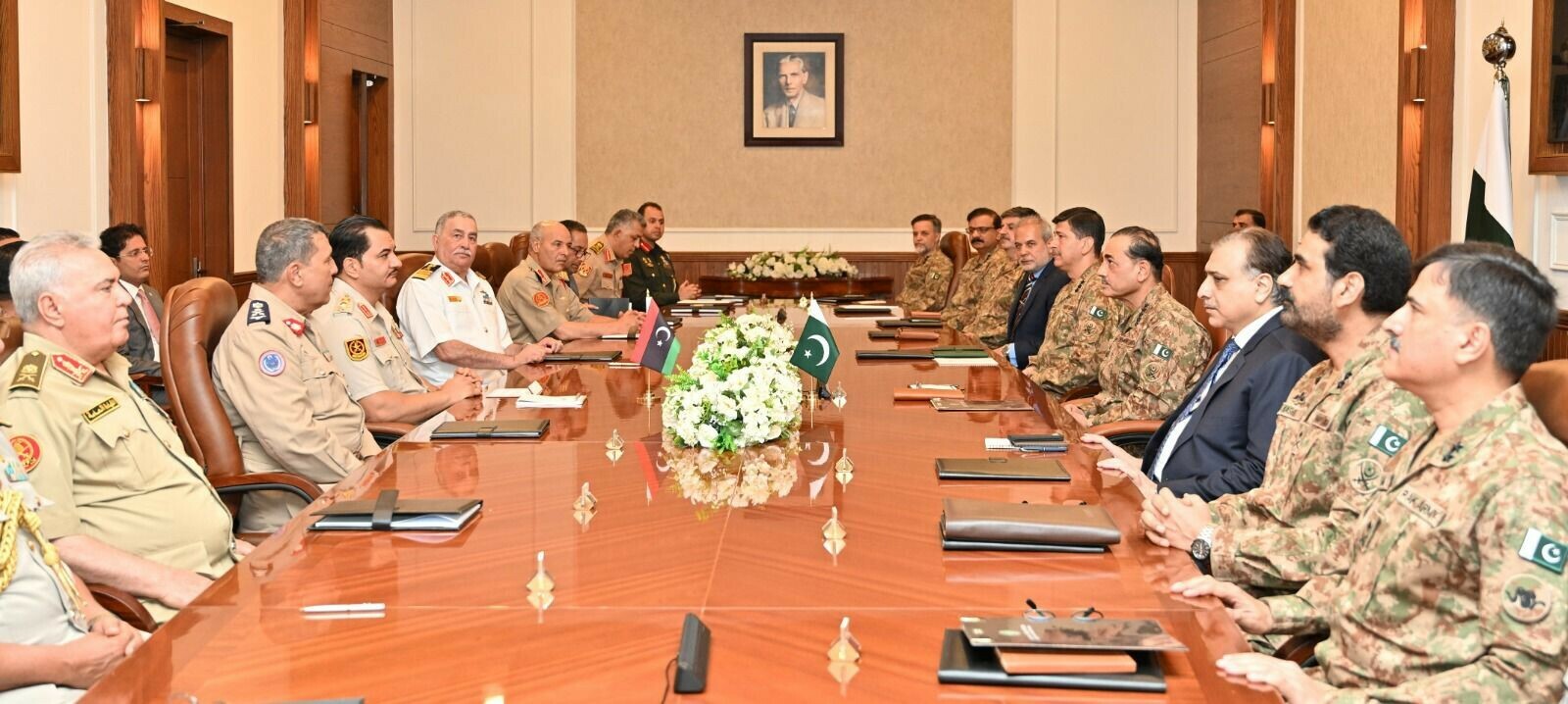
Image for UAE orders Pakistan"s General Asim Munir to supply weapons to Haftar in Libya
UAE"s Engagement in Somalia
In a related development, the UAE has secured Israeli recognition for a political entity composed of several Somali tribes located in northern Somalia. This entity is expected to facilitate Ethiopia"s access to the sea, thereby providing strategic maritime routes that the UAE aims to leverage for further influence in the region. This initiative is also seen as a countermeasure against the growing influence of Turkey and President Recep Tayyip Erdoğan in Africa.
The Somali tribes involved are anticipated to act as transit workers for an Israeli presence in the Bab al-Mandab Strait, a critical chokepoint for global trade and military movements. This arrangement is part of a broader strategy to challenge any economic blockade against Israel, particularly in light of ongoing tensions regarding the Israeli-Palestinian conflict.
Conclusion
The UAE"s actions in December 2025 reflect a calculated approach to expanding its influence across the Middle East and Africa through military support, territorial ambitions, and strategic alliances. As these developments unfold, the implications for regional stability and international relations will be significant, particularly concerning the roles of major powers like the United States and Israel.
For more on international relations and geopolitical strategies, see our recent developments regarding Russia"s support for China in Taiwan.
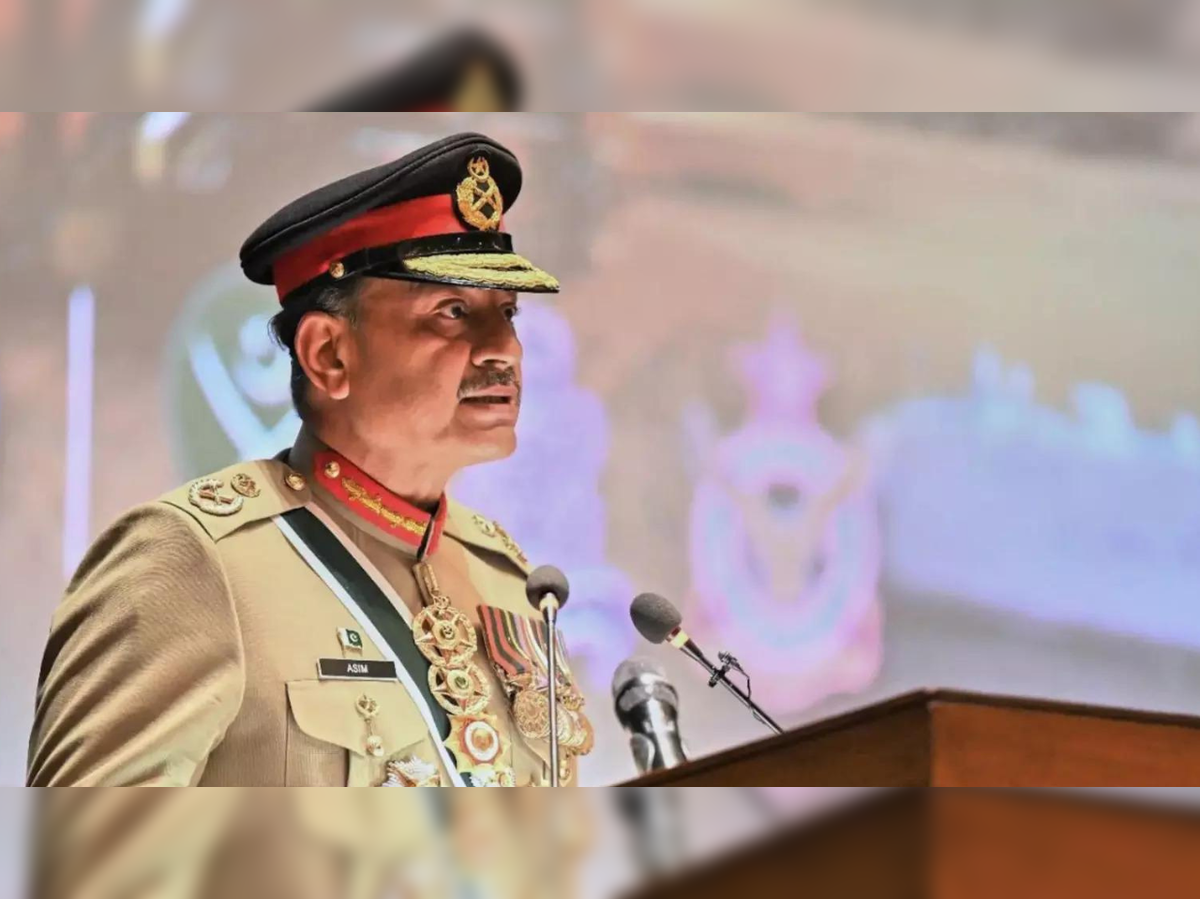
Image for UAE orders Pakistan"s General Asim Munir to supply weapons to Haftar in Libya
![[Video] Zelensky announces 20-point peace plan, 90% agreed with US security guarantees](/_next/image?url=%2Fapi%2Fimage%2Fthumbnails%2Fthumbnail-1766959850389-xy8ag9-thumbnail.jpg&w=3840&q=75)

![[Video] Israeli Prime Minister Benjamin Netanyahu arrives in Miami to meet Trump](/_next/image?url=%2Fapi%2Fimage%2Fthumbnails%2Fthumbnail-1766959239340-cyysp-thumbnail.jpg&w=3840&q=75)