U.S. seeks to maintain military presence in Greenland amid geopolitical interests
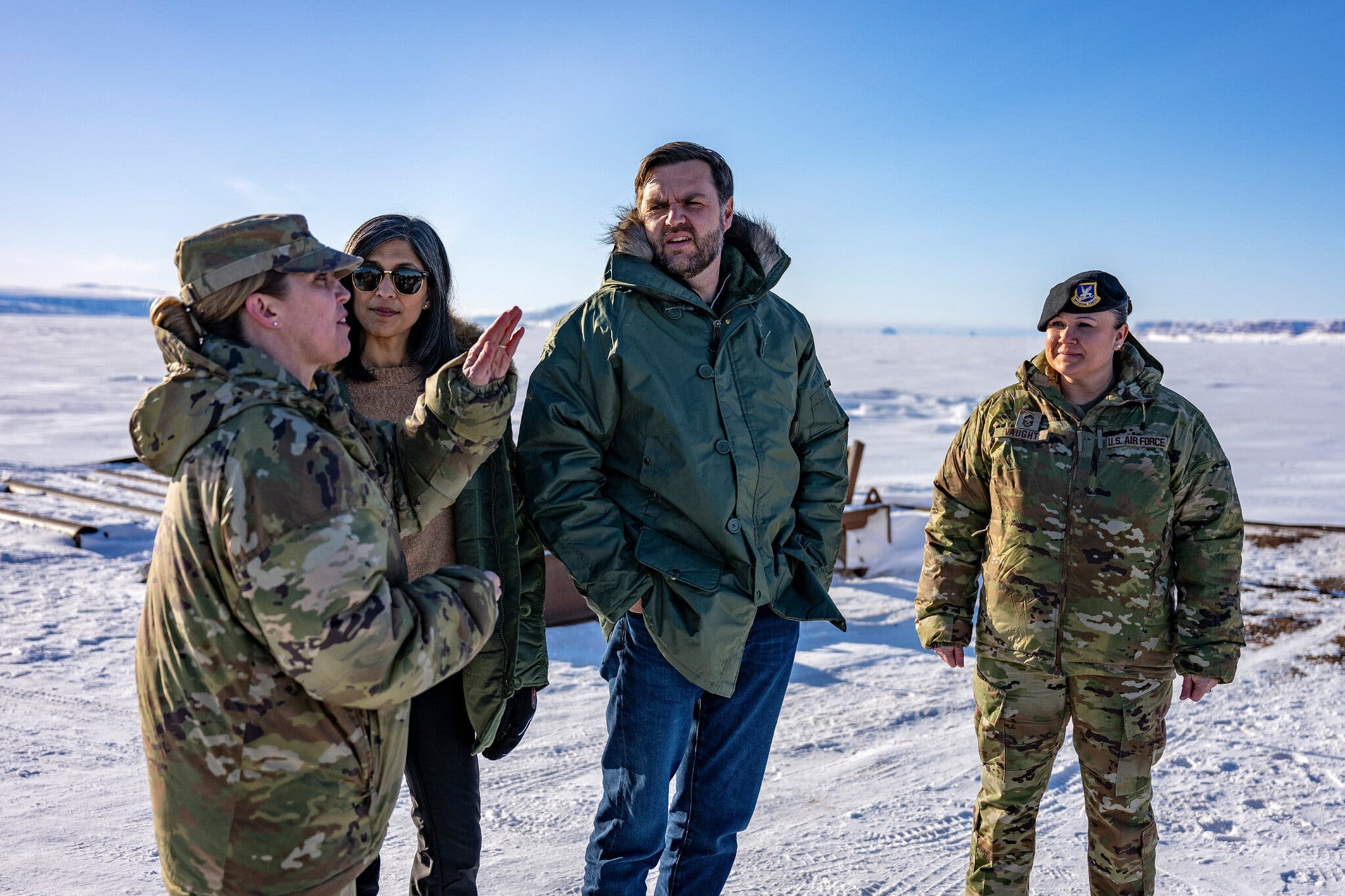
As geopolitical tensions rise, the United States is reaffirming its interest in Greenland, a territory that has been a focal point for military strategy since World War II. This renewed focus comes amid broader concerns regarding the activities of Chinese and Russian vessels in the Arctic region. The U.S. has historically acted as Greenland"s security guarantor, a role that may see further developments in the coming years.
Key Details
Greenland, an autonomous territory within the Kingdom of Denmark, is often compared to Venezuela in terms of its geopolitical significance, though the U.S. has legitimate strategic interests in both regions. The commentary highlights that while Denmark is generally viewed positively for its treatment of citizens, the historical context includes troubling actions, such as attempts to sterilize the Greenlandic Inuit population, which could have altered the demographic makeup of the territory.
The prospect of increased U.S. military presence in Greenland is on the table, with discussions around reactivating Cold War and World War II-era military infrastructure. This move echoes similar actions taken in Puerto Rico, where military bases have been maintained and expanded. The U.S. aims to monitor and secure its interests in the Arctic, particularly as the presence of foreign naval forces increases.
Despite the hype surrounding Greenland"s resources, the immediate focus for the U.S. is not about resource extraction, which is expected to take decades and considerable effort. Instead, the current U.S. strategy appears to be more about political maneuvering and maintaining a military foothold in the region. The commentary suggests that former President Donald Trump’s interest in Greenland was partly driven by a need to bolster his political standing during a tumultuous period, particularly as he faced challenges related to his approval ratings and impeachment threats.
Background
The U.S. has been involved in Greenland"s security since World War II, and the territory has been critical for monitoring Arctic activities. The status quo under the Compact of Free Association (COFA) agreement is expected to continue, with no significant changes anticipated in the immediate future. The COFA agreement governs the relationship between the U.S. and certain Pacific territories, suggesting a similar framework may apply to Greenland.
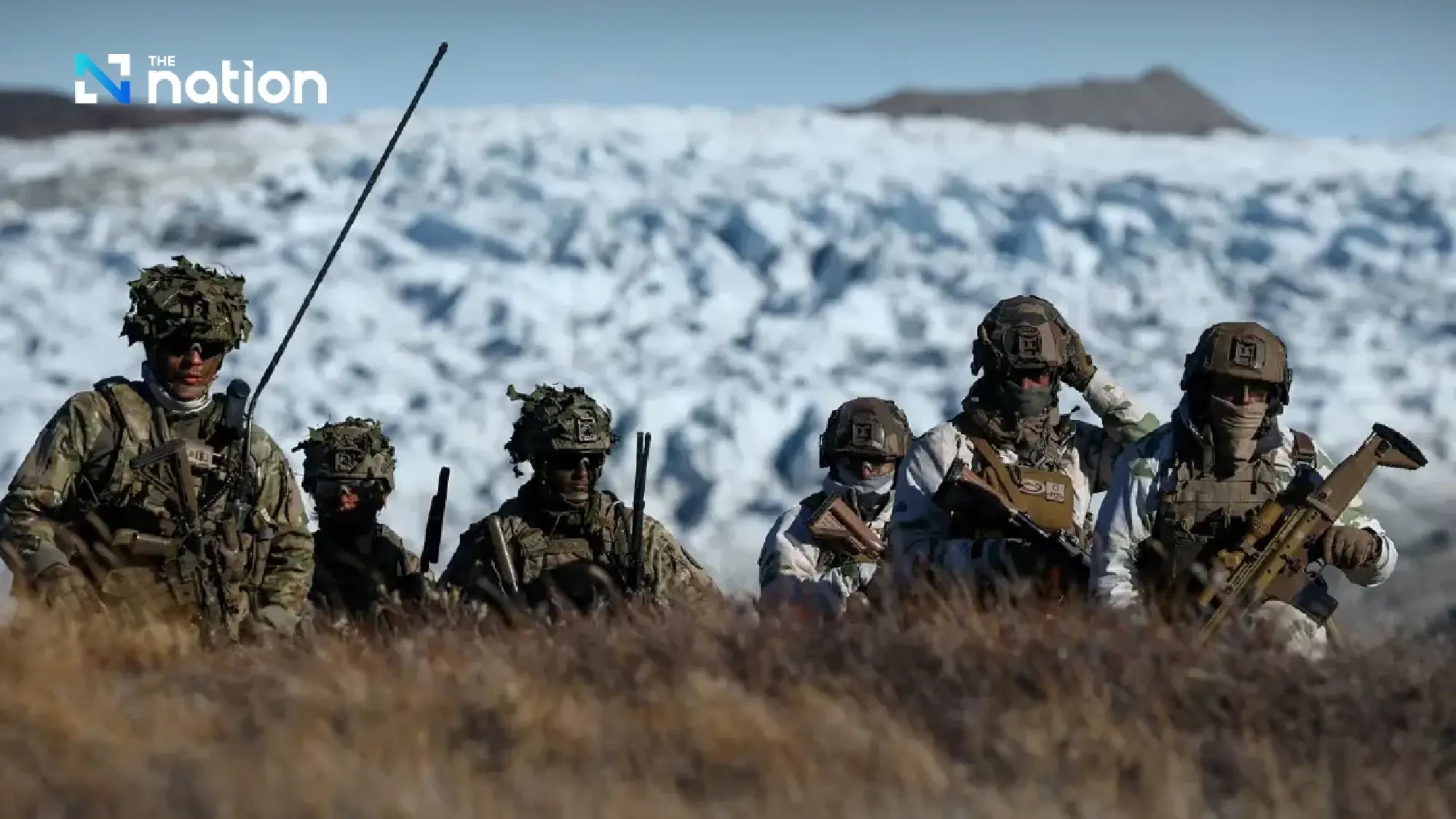
Image for U.S. seeks to maintain military presence in Greenland amid geopolitical interests
What"s Next
The future of U.S. involvement in Greenland will likely focus on maintaining military infrastructure and ensuring security in the Arctic. As geopolitical dynamics evolve, particularly with the increasing presence of Russian and Chinese maritime activities, the U.S. may continue to enhance its military capabilities in the region. However, the emphasis on symbolic victories should not lead to complacency; vigilance will be essential for long-term strategic interests.
For more on related developments, see recent developments regarding U.S. relations with Venezuela, which reflect similar geopolitical strategies.