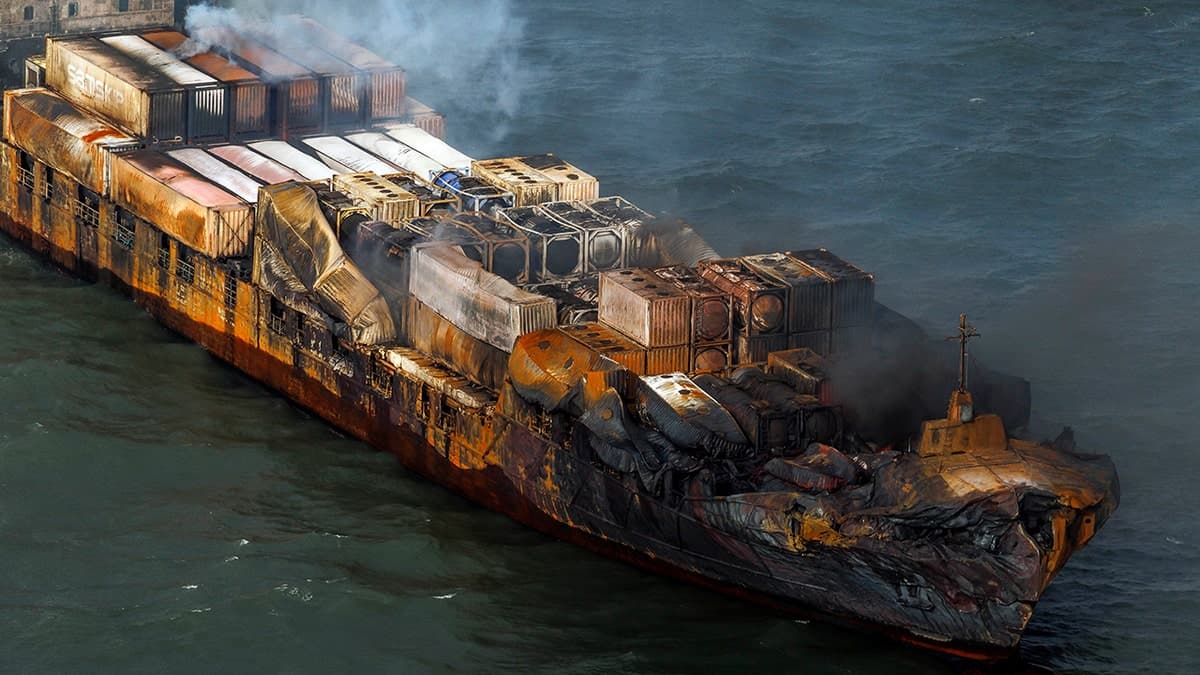
U.S. Seizes Super Tanker Skipper off Venezuela, Arrests Captain
On December 12, 2025, the United States Coast Guard seized the stateless Very Large Crude Carrier (VLCC) named MT Skipper off the coast of Venezuela. The vessel was apprehended for allegedly transporting oil from Venezuela and Iran, activities that violate U.S. sanctions. The captain of the Skipper has been arrested in connection with this operation, marking a significant enforcement action by U.S. authorities against illicit oil trade.
Key Details
The MT Skipper is classified as a Very Large Crude Carrier, a type of super tanker that is capable of carrying large quantities of crude oil. The vessel"s stateless status indicates that it does not fly the flag of any country, which complicates jurisdictional issues and enforcement actions. The seizure was discussed by Sal Mercogliano, a maritime historian at Campbell University and a former merchant mariner, who provided insights into the implications of this operation.
The U.S. government has imposed sanctions on both Venezuela and Iran due to their respective political situations and activities. These sanctions prohibit the export of oil from these countries to the United States and its allies. The apprehension of the Skipper is part of a broader strategy to enforce these sanctions and curb the flow of oil that supports the economies of both nations.
Mercogliano"s discussion highlighted the existence of a "shadow fleet," which refers to a network of tankers that operate outside of international regulations and sanctions. This fleet has been increasingly used by countries like Venezuela and Iran to circumvent restrictions imposed by the U.S. and its allies. The seizure of the Skipper underscores the ongoing efforts by U.S. authorities to dismantle this network.
In the broader context, the U.S. has been actively monitoring and sanctioning vessels involved in the transport of Venezuelan oil. Recent reports indicate that the U.S. Treasury has added six additional ships to its Office of Foreign Assets Control (OFAC) sanction list for their involvement in the Venezuelan oil trade. This action reflects a concerted effort to disrupt the economic activities of the Maduro regime in Venezuela, which has faced international condemnation for human rights abuses and corruption.
Background
The enforcement of sanctions against Venezuela and Iran has been a critical component of U.S. foreign policy in the region. Venezuela, under the leadership of President Nicolás Maduro, has been grappling with severe economic challenges, exacerbated by U.S. sanctions aimed at crippling its oil-dependent economy. Meanwhile, Iran has faced similar sanctions due to its nuclear program and regional activities, further complicating international relations in the area.
Military operations around Venezuela have also intensified, with the U.S. Navy increasing its presence in the Caribbean and monitoring maritime activities closely. Recent developments include the deployment of U.S. Navy EA-18G Growlers at the former Roosevelt Roads facility in Puerto Rico, which indicates heightened military readiness in the region.
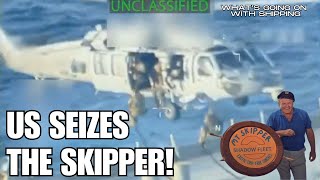
Image for U.S. Seizes Super Tanker Skipper off Venezuela, Arrests Captain
What"s Next
The seizure of the MT Skipper and the arrest of its captain may lead to further legal actions against individuals and entities involved in the illicit oil trade. Experts predict that the U.S. will continue to target vessels associated with the shadow fleet to enforce sanctions effectively. As previously reported, the U.S. Treasury"s ongoing efforts to sanction additional ships demonstrate a commitment to disrupting the economic lifelines of sanctioned nations.
The implications of this seizure extend beyond immediate legal consequences; it may also affect global oil markets and the geopolitical landscape in Latin America and the Middle East. As the U.S. continues to enforce its sanctions, countries like Venezuela and Iran may seek alternative methods to sell their oil, potentially leading to increased tensions in international relations.
For more information on related coverage, see recent developments in U.S. sanctions on Venezuelan oil.


![[Video] Terrorist attack at Bondi Beach kills 10, injures dozens during Hanukkah event](/_next/image?url=%2Fapi%2Fimage%2Fthumbnails%2Fthumbnail-1765707643006-2pk18t-thumbnail.jpg&w=3840&q=75)