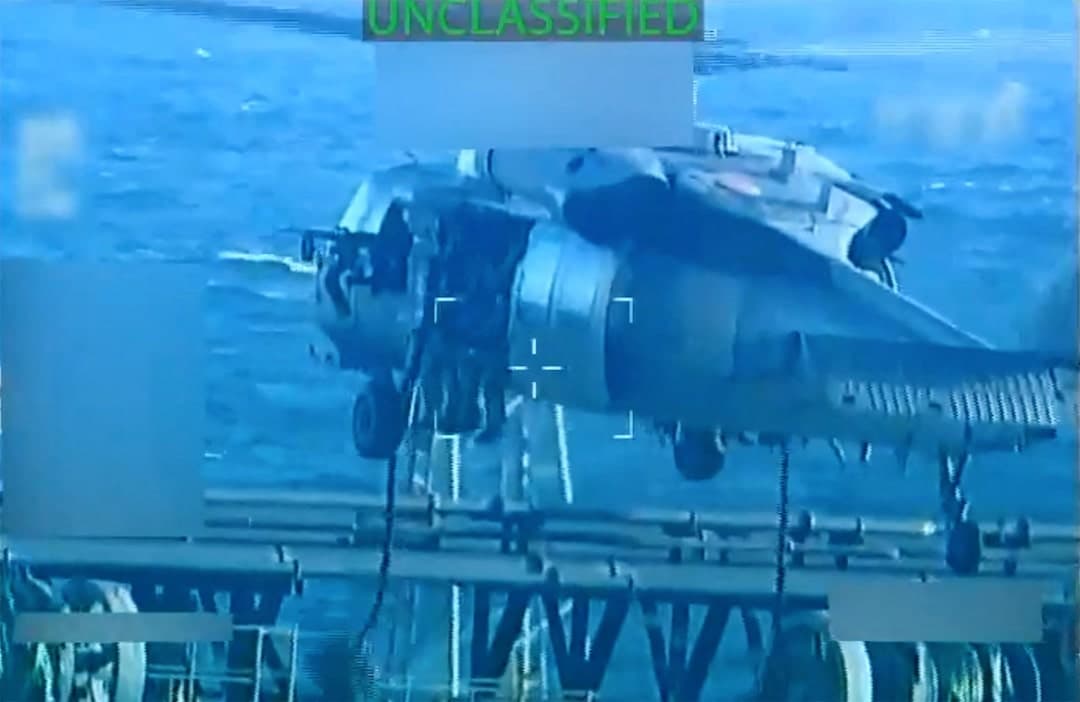
US to Seize More Tankers Off Venezuela"s Coast After First Ship Taken
On December 12, 2025, reports emerged indicating that the United States is preparing to seize additional oil tankers off the coast of Venezuela, following the recent confiscation of a first vessel. This new strategy by the U.S. government is aimed at disrupting the operations of what is referred to as the "shadow fleet" of tankers that transport sanctioned oil primarily to China, which is currently the largest buyer of crude oil from both Venezuela and Iran.
Key Details
The U.S. government"s recent actions are part of a broader initiative to target the clandestine network of tankers that facilitate the transportation of oil from countries under U.S. sanctions. Sources familiar with the situation have indicated that individual vessels often undertake multiple trips, serving the interests of not only Venezuela but also Iran and Russia. This multifaceted operation complicates enforcement efforts against the illegal oil trade.
In response to the U.S. seizure, the Venezuelan government has condemned the action, labeling it as "an act of international piracy." However, legal experts have clarified that such a characterization does not hold under international law. Laurence Atkin-Teillet, a piracy and maritime law specialist at Nottingham Law School in Britain, stated, "Because the capture was endorsed and sanctioned by the U.S., it cannot be considered piracy." This legal perspective underscores the complexities surrounding international maritime law and the enforcement actions taken by sovereign nations.
Background
The shadow fleet of tankers has become increasingly significant in the context of global oil markets, particularly as countries like Venezuela and Iran face stringent sanctions from the U.S. and its allies. These sanctions are designed to limit the ability of these nations to sell oil, which is a crucial source of revenue for their economies. China has emerged as a key player in this scenario, often purchasing oil from these sanctioned countries, thereby sustaining their economies despite international restrictions.
The U.S. has previously engaged in similar tactics to disrupt the flow of oil from sanctioned nations, reflecting a strategic approach to counteract the economic activities of adversarial regimes. This latest move to seize tankers is indicative of an ongoing commitment by the U.S. to enforce sanctions and curb the illicit oil trade.
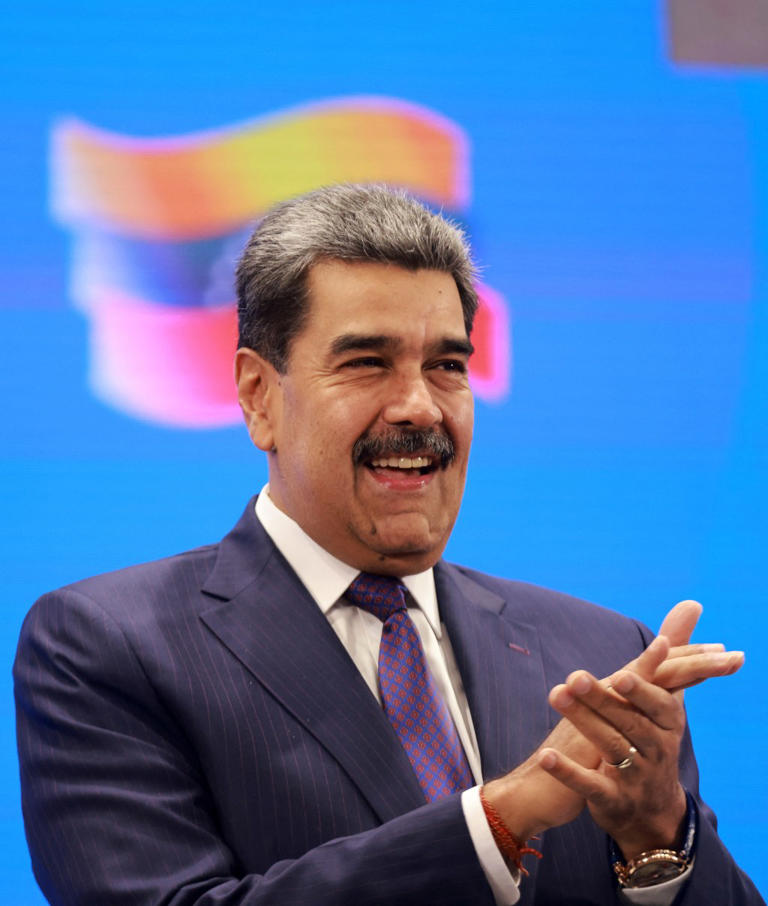
Image for US to seize more tankers off Venezuela"s coast after first ship taken
What"s Next
The implications of the U.S. strategy to seize more tankers could be significant, not only for Venezuela and its oil exports but also for international relations and maritime law enforcement. As the U.S. continues to assert its influence over global oil markets, tensions may escalate between the involved nations, particularly as Venezuela and its allies respond to these actions. The situation remains fluid, and further developments are anticipated as the U.S. implements its new tactics.
For additional context on U.S. military actions in the region, recent developments have indicated that U.S. President Trump has warned of potential land strikes targeting Venezuelan drug networks in the near future. This highlights the broader scope of U.S. military and economic strategies aimed at addressing perceived threats from Venezuela and its allies.

![[Video] Terrorist attack at Bondi Beach kills 10, injures dozens during Hanukkah event](/_next/image?url=%2Fapi%2Fimage%2Fthumbnails%2Fthumbnail-1765707643006-2pk18t-thumbnail.jpg&w=3840&q=75)