Ben Shapiro Faces Subscriber Decline on YouTube Amid Controversial Rhetoric
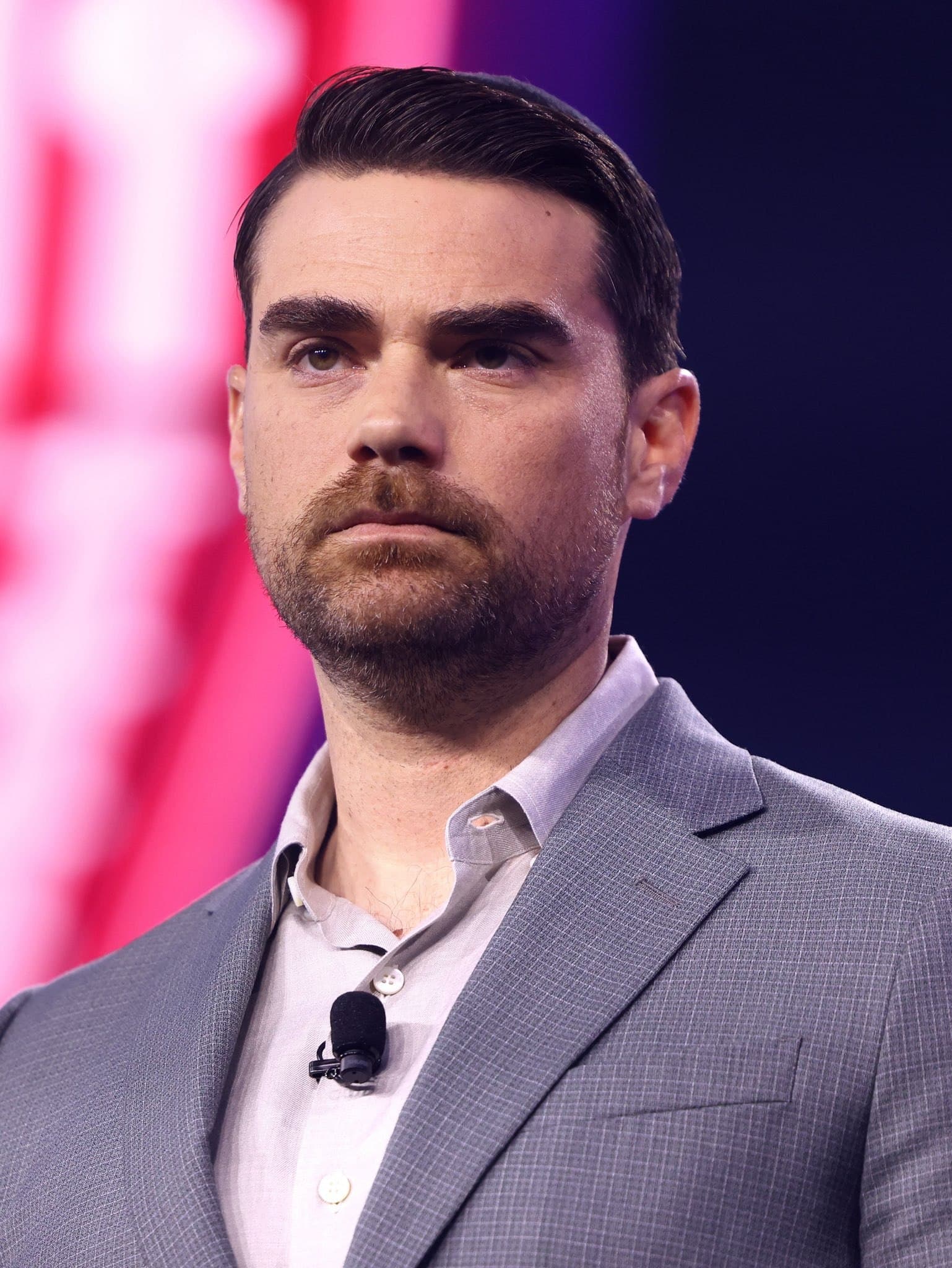
Ben Shapiro, a prominent conservative commentator and political analyst, is experiencing a significant decline in his YouTube subscriber base, losing an average of 1,000 subscribers daily. Over the past thirty days, Shapiro has seen a total loss of approximately 30,000 subscribers, raising concerns about his influence and reach within the political landscape.
Key Details
Shapiro, known for his staunch pro-Israel stance, has increasingly faced criticism from within the Republican Party. Many Republicans are reportedly feeling alienated by his unwavering support for Israel and his tendency to equate skepticism of Israeli policies with antisemitism. This shift in perception among his audience may be contributing to his declining subscriber count.
Recently, Shapiro was met with boos during a speech at the Turning Point USA (TPUSA) AmFest event. During this address, he criticized several notable figures in conservative media, including Steve Bannon, Megyn Kelly, Tucker Carlson, and Candace Owens. Shapiro accused these colleagues of promoting conspiratorial thinking and antisemitism, which may have further polarized his audience and contributed to the backlash he is currently facing.
Background
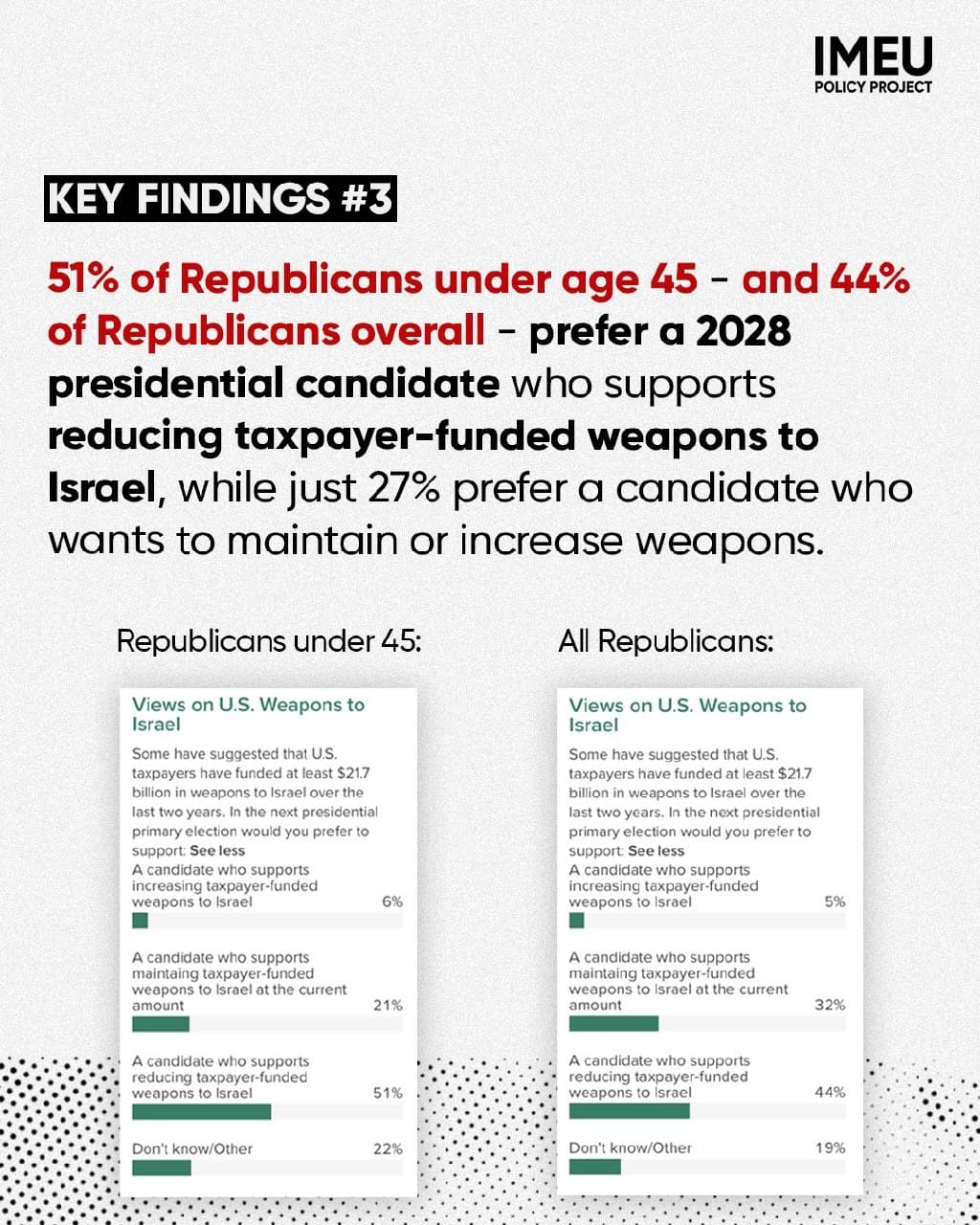
Ben Shapiro has built a reputation as a leading voice in conservative politics, often engaging in discussions surrounding contentious issues, including U.S. foreign policy and domestic social matters. His pro-Israel rhetoric has historically aligned with the views of many in the Republican Party; however, recent polling indicates a shift in attitudes among younger Republicans. For instance, a recent survey revealed that 51% of Republicans under the age of 45 support cutting U.S. military aid to Israel, suggesting a growing divide within the party regarding foreign policy priorities.
This change in perspective may reflect broader societal shifts and a reevaluation of U.S. involvement in international conflicts, particularly in the Middle East. As younger voters increasingly express skepticism about traditional foreign policy approaches, figures like Shapiro may find themselves at odds with their own base.
What"s Next
The implications of Shapiro"s declining subscriber count and the backlash he faces could have significant consequences for his career and influence in conservative circles. As he continues to navigate the complexities of political discourse, particularly regarding Israel and antisemitism, Shapiro may need to reassess his messaging to maintain his relevance among a changing audience. The evolving landscape of Republican views on foreign policy could further challenge his standing within the party.
As previously reported, the political climate surrounding issues of foreign aid and international relations is shifting, and Shapiro"s situation exemplifies the challenges faced by conservative commentators in adapting to these changes. The ongoing debate over U.S. military aid to Israel and the broader implications for American foreign policy will likely continue to be a contentious topic among Republicans and their constituents.
For more on related developments, see our coverage on recent developments regarding Republican views on military aid to Israel.