ExxonMobil CEO Tells Trump Venezuela is "Uninvestable"
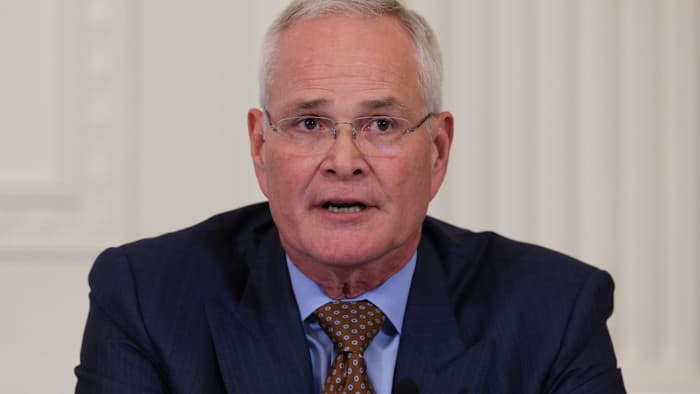
In a significant meeting at the White House on Friday, January 10, 2026, Darren Woods, the chief executive officer of ExxonMobil, the largest oil company in the United States, expressed skepticism regarding President Donald Trump"s push for American oil companies to invest in Venezuela. Woods stated that the current legal and commercial frameworks in Venezuela render the country "uninvestable," despite the potential of its vast oil reserves.
Key Details
During the televised gathering, which included prominent energy executives and key members of the Trump administration, Woods articulated his concerns directly to the President. He emphasized that substantial reforms are necessary for Venezuela to attract foreign investment. “If we look at the legal and commercial constructs, frameworks in place today in Venezuela, today it’s uninvestable,” Woods remarked. He highlighted the need for “durable investment protections” and changes to the hydrocarbon laws in the country.
Woods also referenced ExxonMobil"s historical challenges in Venezuela, noting that the company’s assets had been seized twice since it first entered the Venezuelan market in the 1940s. This history of expropriation has contributed to the wariness among major energy companies regarding investment in the region.
President Trump has been advocating for a significant influx of capital into Venezuela, aiming for at least $100 billion to boost oil production and subsequently lower U.S. oil prices. While Woods remained cautious, other executives present at the meeting were more open to the idea of investing in Venezuela, indicating that some level of capital could be directed towards the country in the near term.
The mixed responses from the executives at the White House highlight the complexities and risks associated with investing in Venezuela, a country that has faced political instability and economic turmoil. Many oil companies have previously suffered losses due to government expropriations and unfavorable operating conditions.
When asked about potential financial backstops for companies willing to invest, Trump expressed hope that such measures would not be necessary. However, he did suggest that the U.S. government could offer some form of security and legal guarantees, which have been critical demands from the industry. “You’ll have total safety,” Trump assured the executives.
Background
Venezuela is home to the world"s largest proven oil reserves, yet its oil industry has been severely impacted by years of mismanagement, corruption, and political strife. The country"s economy has been in freefall, leading to hyperinflation and widespread poverty. Despite these challenges, the potential for oil production remains high, attracting interest from various international oil companies.
ExxonMobil, which has a long history in the Venezuelan oil sector, has faced significant challenges due to the country"s unstable political climate and the risk of asset seizure. The company’s reluctance to invest further underscores the broader concerns shared by many in the energy sector regarding the viability of operations in Venezuela.
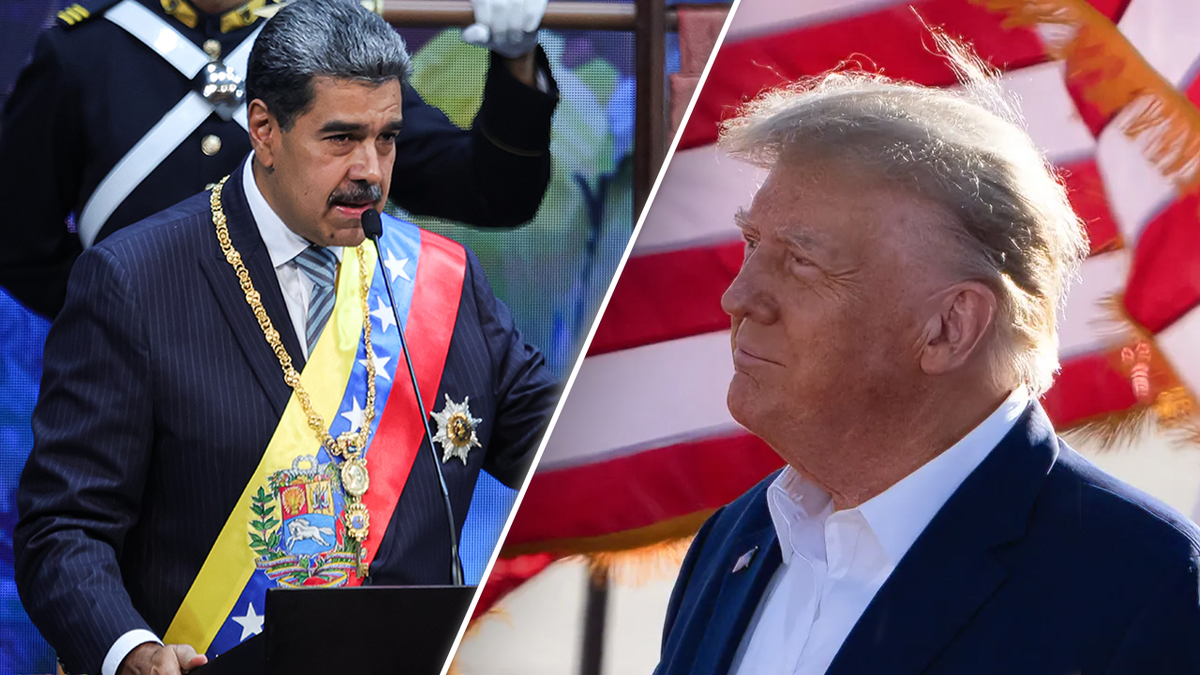
Image for ExxonMobil CEO tells Trump Venezuela is "uninvestable"
What"s Next
The future of U.S. investment in Venezuela remains uncertain as the Trump administration continues to push for increased oil production to alleviate domestic price pressures. The mixed signals from industry leaders suggest that while some companies may be willing to explore opportunities, significant barriers remain. The need for legal protections and a stable operating environment will be critical factors in determining whether U.S. oil companies will ultimately commit capital to Venezuela.
As the situation evolves, stakeholders in the energy sector will be closely monitoring developments, particularly in light of the ongoing political and economic challenges facing Venezuela. For further insights into related geopolitical issues, see our previous reports on unrest in other regions.
![[Video] Netanyahu: Israel aims to end reliance on U.S. military aid in a decade](/_next/image?url=%2Fapi%2Fimage%2Fthumbnails%2Fthumbnail-1767983462253-efb0o5-thumbnail.jpg&w=3840&q=75)