Hainan Island Becomes a Unique Duty-Free Zone with Radical Openness Policies
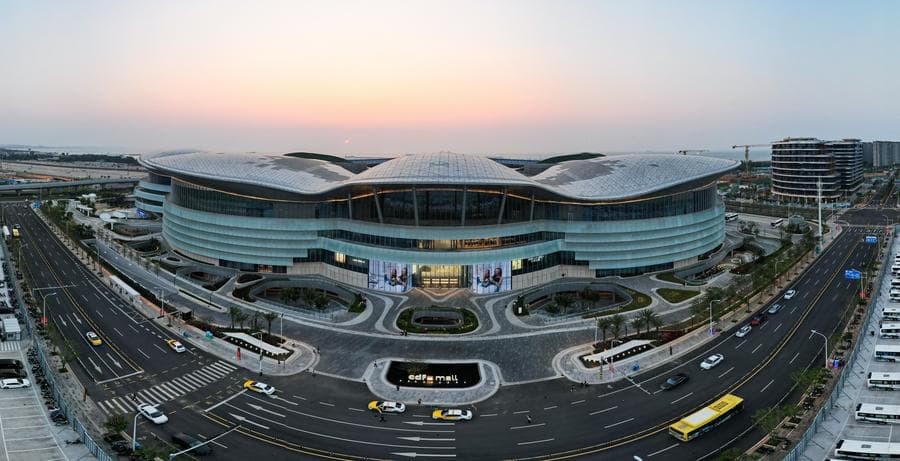
In a significant development that is being largely overlooked, China"s Hainan Island is undergoing a transformative shift aimed at establishing it as a unique economic zone. This initiative is seen as one of the most remarkable changes in China for the year 2025. Hainan, an island that is approximately 50 times the size of Singapore, is being developed into a distinct jurisdiction with policies designed to attract global business and investment.
Key Details
One of the most notable aspects of Hainan"s transformation is its new duty-free status. The island now allows the importation of 74% of all global goods without any import duties. This means that products such as Australian beef can be brought into Hainan tax-free. If these products are then processed locally, such as being sliced and packaged for hotpot dishes, they can be sold in mainland China without incurring any tariffs.
In addition to its duty-free status, Hainan has introduced significantly lower corporate tax rates. The corporate tax rate on the island is set at 15%, which is lower than the rates in Hong Kong (16.5%) and Singapore (17%), as well as the mainland"s standard rate of 25%. This attractive tax environment is designed to encourage both domestic and foreign businesses to establish operations on the island.
Hainan is also implementing a series of regulatory changes that differentiate it from the rest of China. In the healthcare sector, any medicine or medical device that has received approval from regulatory agencies worldwide can be utilized in Hainan, even if it is banned elsewhere in China. This policy positions Hainan as a leading destination for a diverse range of medical treatments.
Moreover, companies registered in Hainan are granted the ability to apply for unrestricted global internet access, effectively bypassing the Great Firewall that restricts internet usage in mainland China. This move is expected to enhance the operational capabilities of businesses on the island.
In the realm of education, Hainan has opened its doors to foreign universities, allowing them to establish campuses without the need for a local Chinese partner. This policy is anticipated to foster a more diverse educational environment and attract international students.
Hainan is also one of the most accessible regions in the world, offering visa-free entry to citizens from 86 countries. This policy is part of a broader strategy to promote tourism and international business on the island.
Financially, Hainan has introduced special accounts that enable the unrestricted flow of capital to and from overseas, circumventing the usual foreign exchange restrictions that apply in mainland China. This financial flexibility is expected to attract foreign investment and facilitate international trade.
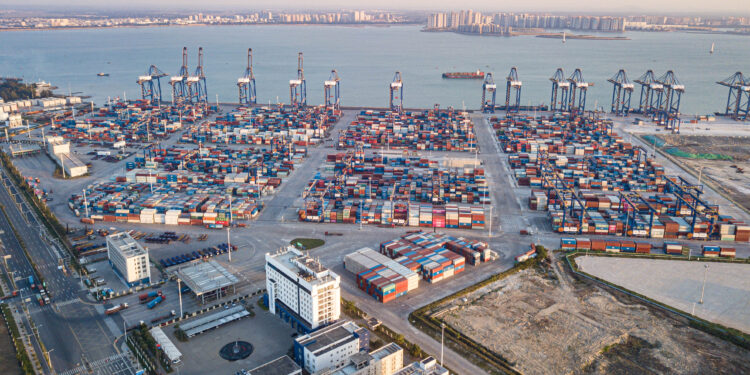
Image for Hainan Island becomes a unique duty-free zone with radical openness policies
Background
The changes being implemented in Hainan are part of a broader strategy by the Chinese government to create a "radical openness" experiment. By combining elements from successful global free zones—such as Singapore"s favorable tax regime, Switzerland"s extensive medical access, and Dubai"s liberal visa policies—Hainan aims to become a premier gateway to the Chinese market, which boasts a consumer base of approximately 1.4 billion people.
What"s Next
The implications of Hainan"s transformation are significant, as it positions the island as a competitive player in the global economy. By creating an environment that encourages foreign investment and trade, Hainan could serve as a model for future economic reforms within China. As previously reported, similar situations have emerged in other regions, showcasing the potential for economic zones to drive growth and innovation.
As Hainan continues to evolve, it will be crucial to monitor how these policies impact local and international businesses, as well as the overall economic landscape in China.
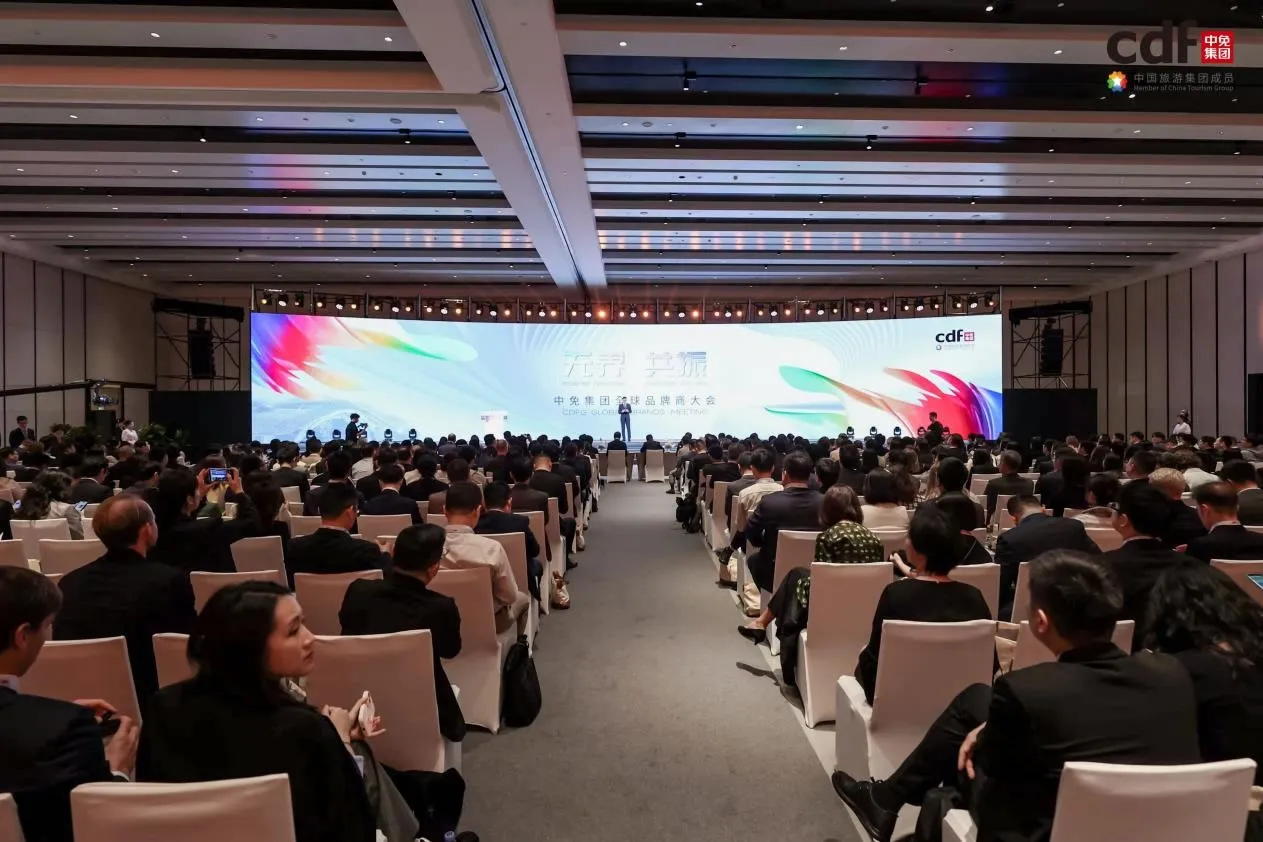
Image for Hainan Island becomes a unique duty-free zone with radical openness policies



![[Video] Missile launches from Al Shadadi base target ISIS in Deir ez-Zor, Raqqa, Homs](/_next/image?url=%2Fapi%2Fimage%2Fthumbnails%2Fthumbnail-1766182885532-3imxh-thumbnail.jpg&w=3840&q=75)