Israel Plans to Annex Southern Lebanon, Syria, Gaza, and West Bank
Author: Priya Patel
Date: December 21, 2025
In a significant shift in geopolitical dynamics, Israel is reportedly planning to annex territories in southern Lebanon, southern Syria, Gaza, and the West Bank. This move comes in the context of Iran"s diminished influence in the region and is expected to facilitate the inclusion of Lebanon, Syria, and Saudi Arabia into the Abraham Accords, which Israeli Prime Minister Benjamin Netanyahu aims to transform into a military alliance.
Key Details
With Iran"s presence effectively neutralized, Israel"s annexation plans include:
- Southern Lebanon: Specifically, areas south of the Litani River.
- Southern Syria: Extending up to the suburbs of Damascus.
- Gaza and the West Bank: These territories are also likely to be included in Israel"s expansionist agenda.
This strategic maneuvering is anticipated to allow Israel to maintain its status as the sole nuclear power in the Middle East. Furthermore, Israel is expected to retain its qualitative military hardware advantage over its regional allies, thereby solidifying its dominance in the region.
In light of these developments, Israel may seek to extricate itself from what has been described as the "golden handcuffs" of U.S. aid, pursuing greater strategic autonomy from the United States. This shift could lead to a reconfiguration of alliances and military strategies in the Middle East.
As Israel approaches elections scheduled for the spring of 2026, Prime Minister Netanyahu is reportedly working to secure a pardon from the Israeli president. Analysts suggest that military strikes against Iranian targets are most likely to occur in the early months of 2026, potentially aligning with the political landscape and Netanyahu"s objectives.
Background
The Abraham Accords, initiated in 2020, have facilitated normalization agreements between Israel and several Arab nations, including the United Arab Emirates and Bahrain. The potential expansion of these accords to include Lebanon, Syria, and Saudi Arabia marks a significant shift in regional diplomacy, particularly in the context of Iran"s influence, which has been a longstanding point of contention in Middle Eastern politics.
Israel"s military capabilities, particularly its nuclear arsenal, have been a critical factor in its regional strategy. The country has historically maintained a qualitative edge in military technology, which is crucial for its defense posture amid ongoing tensions with neighboring countries.
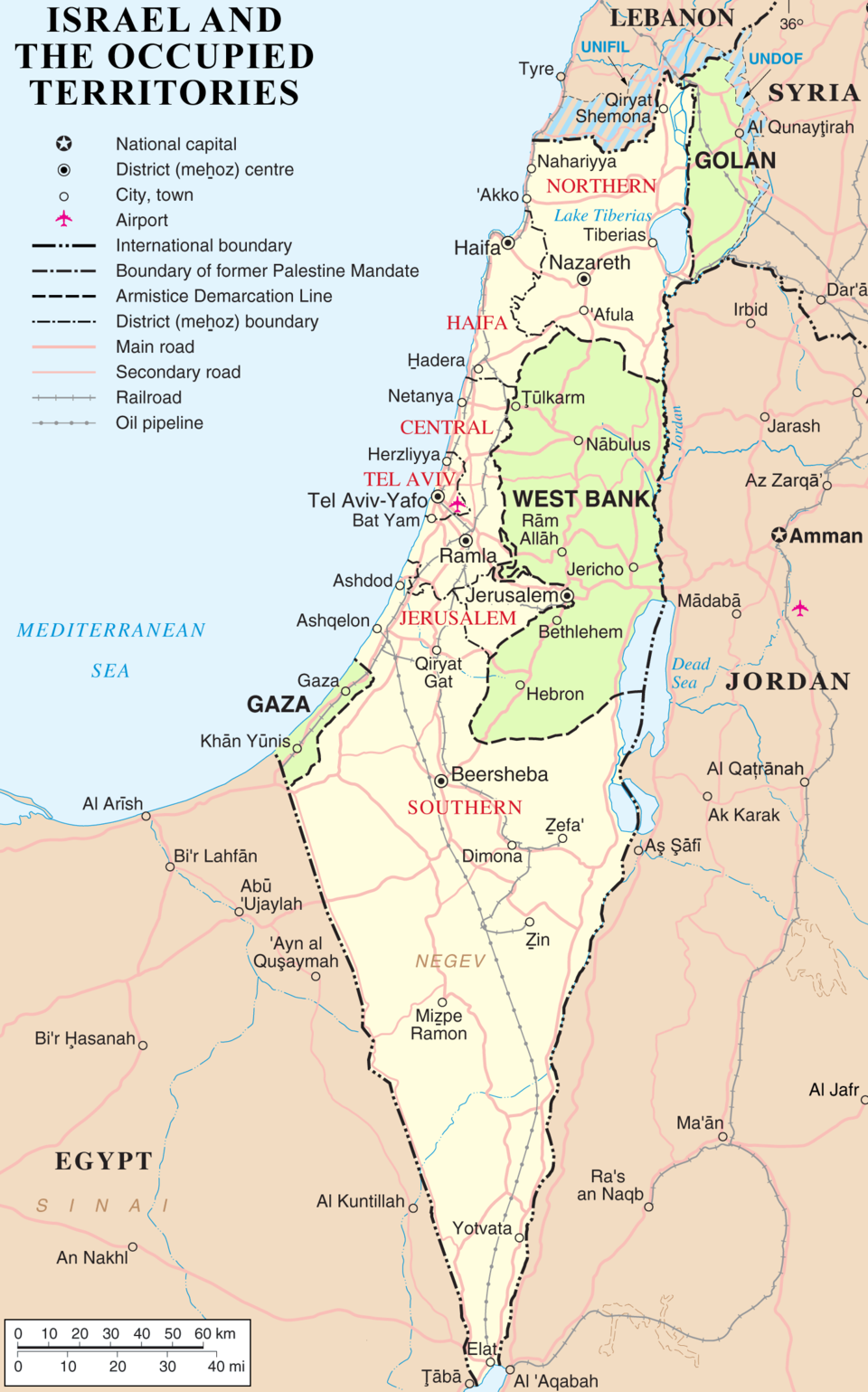
Image for Israel plans to annex southern Lebanon, Syria, Gaza, and West Bank
What"s Next
The implications of Israel"s annexation plans could be profound, potentially altering the balance of power in the Middle East. The integration of Lebanon, Syria, and Saudi Arabia into a military alliance with Israel could lead to a more unified front against perceived threats, particularly from Iran.
As previously reported, the geopolitical landscape is rapidly evolving, with various nations reassessing their positions and alliances. The situation remains fluid, and developments in the coming months will be critical in shaping the future of Middle Eastern politics.
For more on related coverage, see our article on recent developments regarding military tensions in the region.

![[Video] Swedish Customs and Security Service board Russian ship Adler in Höganäs](/_next/image?url=%2Fapi%2Fimage%2Fthumbnails%2Fthumbnail-1766332848384-ioseka-thumbnail.jpg&w=3840&q=75)