Netanyahu to Brief Trump on Iran"s Expanding Ballistic Missile Program
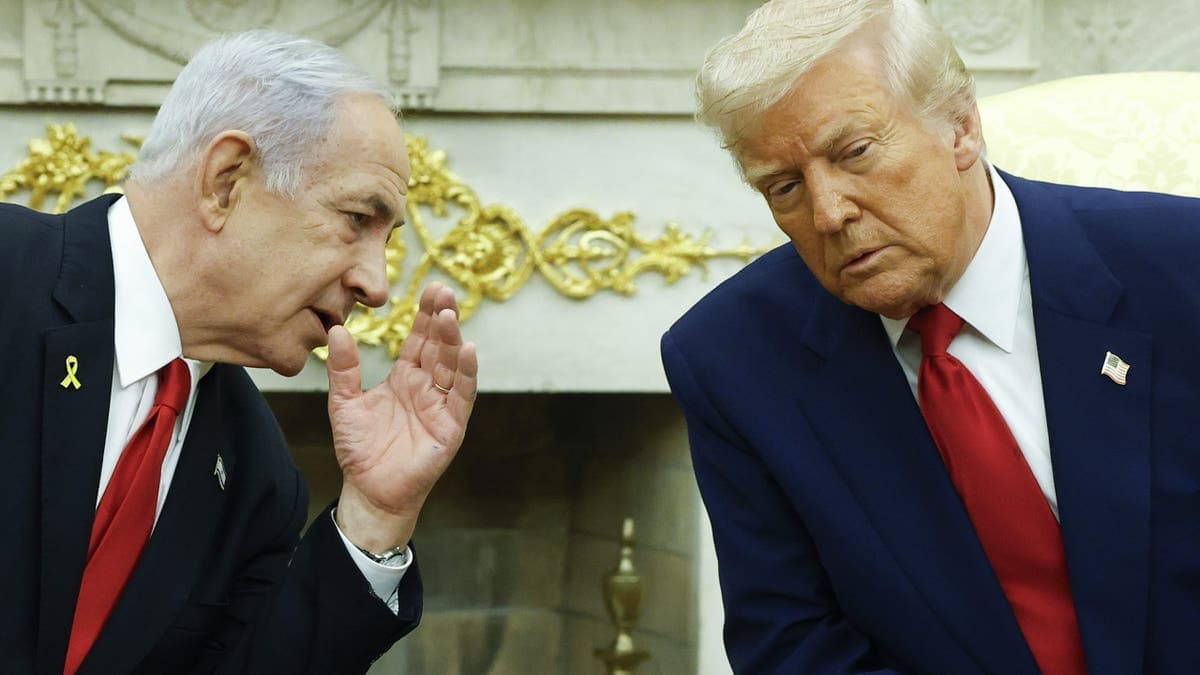
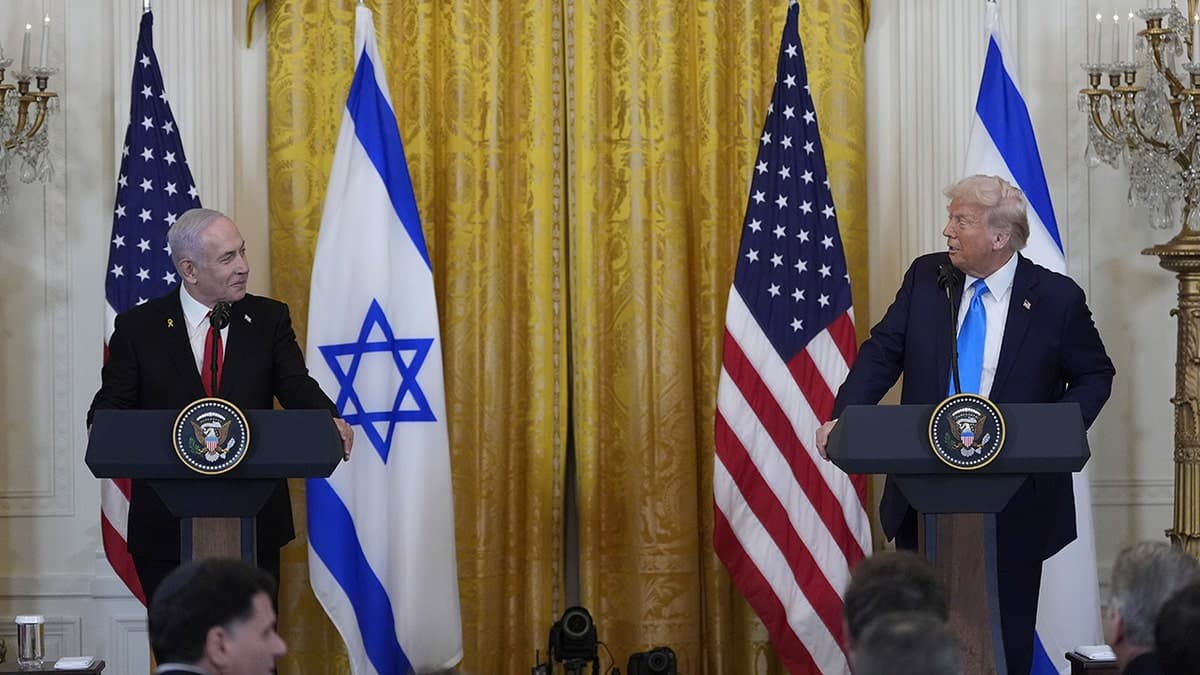
Israeli Prime Minister Benjamin Netanyahu is set to meet with former President Donald Trump later this month at Trump"s Mar-a-Lago estate in Florida. During this meeting, Netanyahu plans to present concerns regarding Iran"s expanding ballistic missile program, which Israeli officials believe poses a significant threat to both Israel and U.S. interests in the region.
Key Details
Israeli officials have expressed alarm over Iran"s ongoing efforts to enhance its ballistic missile capabilities. They contend that these developments represent a new and immediate threat that necessitates urgent attention. The Israeli government is particularly focused on Iran"s attempts to rebuild nuclear enrichment sites that were previously targeted by U.S. military action in June. However, officials have indicated that the restoration of missile production facilities and the repair of Iran"s air defense systems are viewed as more pressing issues at this time.
The upcoming meeting between Netanyahu and Trump is anticipated to take place later this month, although an exact date has not been disclosed. This meeting is significant as it represents a continuation of discussions regarding Iran"s military capabilities and the potential for coordinated responses to perceived threats. Netanyahu is expected to argue that Iran"s actions not only endanger Israel but also pose risks to broader regional stability and U.S. interests.
During the meeting, Netanyahu is likely to present Trump with various options for U.S. involvement in any potential military operations against Iran. This could include direct military action or support for Israeli operations aimed at curbing Iran"s missile program. The discussions are expected to reflect ongoing tensions in the Middle East, particularly concerning Iran"s nuclear ambitions and its influence in the region.
Background
The relationship between Israel and the United States has historically been characterized by close military and diplomatic cooperation, particularly in matters concerning Iran. The Israeli government has consistently voiced concerns over Iran"s nuclear program and its support for militant groups in the region. In recent years, the U.S. has also expressed apprehension regarding Iran"s missile capabilities, which could potentially threaten U.S. forces and allies in the Middle East.
In June, U.S. military strikes targeted Iranian nuclear enrichment sites, a move that was part of a broader strategy to limit Iran"s nuclear capabilities. However, reports indicate that Iran has been working to reconstitute these facilities, raising alarms among Israeli and U.S. officials alike. The situation remains fluid, with both nations closely monitoring Iran"s military developments.

Image for Netanyahu to brief Trump on Iran"s expanding ballistic missile program
What"s Next
The upcoming meeting between Netanyahu and Trump is poised to have significant implications for U.S.-Israeli relations and the broader geopolitical landscape in the Middle East. As Netanyahu presents his case regarding Iran"s missile program, the discussions may lead to new strategies for addressing the perceived threats posed by Iran. The outcome of this meeting could influence future military operations and diplomatic efforts aimed at countering Iran"s influence in the region.
As previously reported, the situation surrounding Iran"s military capabilities continues to evolve, and the international community remains watchful of developments that could impact regional stability.

![[Video] MT QENDIL tanker attacked by drones in Mediterranean, 10th incident this year](/_next/image?url=%2Fapi%2Fimage%2Fthumbnails%2Fthumbnail-1766254244933-jyt2h-thumbnail.jpg&w=3840&q=75)