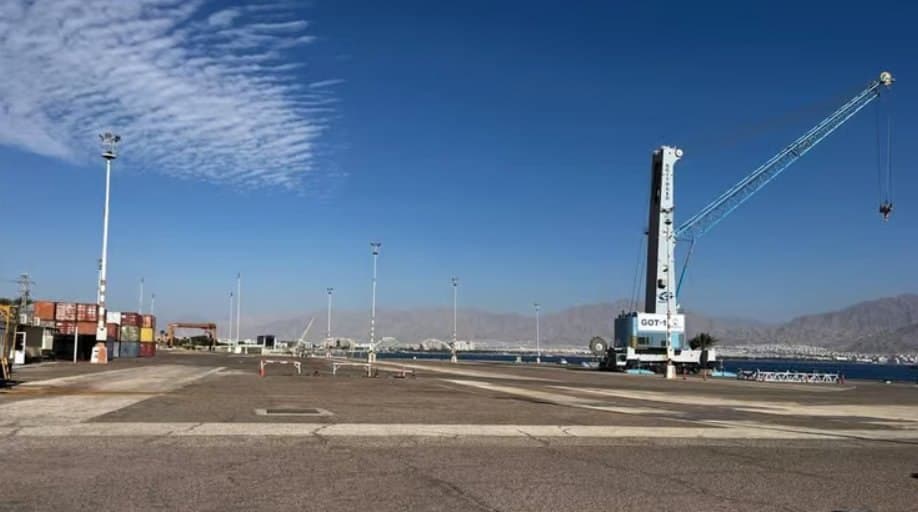
Port of Eilat Faces Historic Crisis with Revenues Dropping to Nearly Zero
As of January 13, 2026, the Port of Eilat, Israel"s southernmost port located on the Red Sea, is experiencing what is being described as the worst crisis in its history. This downturn follows more than two years of ongoing attacks by the Houthi movement, a group based in Yemen, which have severely disrupted operations at the port. Revenue figures, which previously reached approximately 240 million shekels (around $70 million) annually, have plummeted to nearly zero.
Key Details
The Houthi movement, officially known as Ansar Allah, has been involved in a protracted conflict in Yemen since 2014. Their unexpected engagement in hostilities in the Red Sea has had a profound impact on maritime activities in the region, particularly affecting the Port of Eilat. The port"s strategic location makes it a vital hub for trade and transportation, but the ongoing attacks have effectively paralyzed its operations.
In response to the crisis, discussions are currently underway involving key governmental bodies, including the Israeli Ministry of Finance and the Ministry of Transportation, alongside port authorities. These talks are critical as they may determine the future of the port"s operations, including the potential non-renewal of the port concession, which is essential for its continued functioning.
The financial implications of this crisis are significant, as the port"s revenue drop represents a loss of vital income not only for the port itself but also for the broader Israeli economy, which relies on maritime trade. The cessation of operations at the port has raised concerns about job losses and the economic stability of the region.
Background
The Port of Eilat has historically served as a crucial gateway for Israel, facilitating trade with various countries and acting as a key point for tourism. The port"s operations have been integral to the economic framework of southern Israel. However, the recent escalation of Houthi attacks has introduced unprecedented challenges. The Houthis have been known to target shipping routes in the Red Sea, which has led to heightened security concerns and disruptions in maritime trade.
Prior to the onset of these attacks, the port was a thriving center of commerce, generating substantial annual revenues. The drastic decline in income to nearly zero underscores the severity of the situation and the urgent need for a resolution to restore normal operations.
What"s Next
The ongoing discussions among Israeli government officials and port authorities are critical in determining the future of the Port of Eilat. The potential non-renewal of the port concession could have far-reaching implications, not only for the port itself but also for the regional economy and employment levels. Stakeholders are closely monitoring the situation, as any decisions made in the coming weeks will likely shape the port"s operational capabilities and its role in Israel"s trade infrastructure moving forward.
As the situation develops, it remains essential for the Israeli government to address the security threats posed by the Houthi movement while also exploring strategies to revitalize the Port of Eilat. The resolution of this crisis will be pivotal in restoring the port"s functionality and ensuring the economic stability of the region.
For more on related geopolitical tensions, see recent developments regarding U.S.-Iran relations and their implications for regional stability.



![[Video] Woman pulled from car during clashes between activists and federal agents in Minneapolis](/_next/image?url=%2Fapi%2Fimage%2Fthumbnails%2Fthumbnail-1768330329868-k8nu7a-thumbnail.jpg&w=3840&q=75)