Russia to Continue Military Action in Ukraine Until Kyiv Agrees to Negotiations
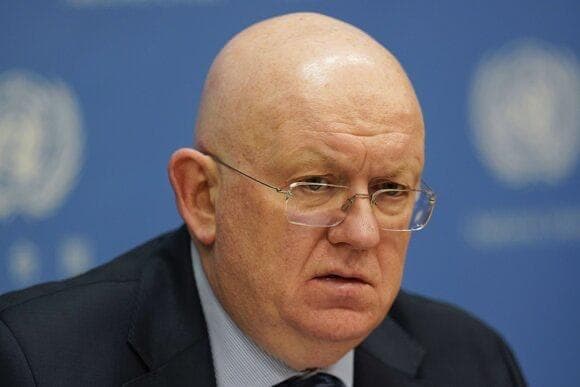
On January 13, 2026, during a United Nations Security Council meeting focused on the ongoing conflict in Ukraine, Russian Permanent Representative to the UN, Vasily Nebenzya, made a significant statement regarding Russia"s military strategy. Nebenzya asserted that Russia would persist in its military operations until the Ukrainian government, led by Kyiv, "comes to its senses" and consents to "real terms of negotiations."
Key Details
Nebenzya emphasized Russia"s position on dialogue, stating, “We have never refused dialogue.” However, he clarified that the continuation of military actions would remain a priority until the Ukrainian leadership demonstrates a willingness to engage in meaningful negotiations. This statement underscores the ongoing tensions between Russia and Ukraine, which have persisted since the onset of the conflict in 2014, following Russia"s annexation of Crimea.
The remarks made by Nebenzya reflect a broader strategy by the Russian government, which has consistently maintained that military pressure is a necessary component of its approach to resolving the conflict. The phrase "comes to its senses" indicates a dismissive view of the current Ukrainian leadership"s stance, suggesting that Russia perceives its position as more rational or justified compared to that of Kyiv.
Background
The conflict in Ukraine has been ongoing since 2014, when Russia annexed Crimea, leading to a protracted war in the eastern regions of Ukraine, where Russian-backed separatists declared independence. The situation escalated further in February 2022 when Russia launched a full-scale invasion of Ukraine, resulting in widespread international condemnation and sanctions against Russia.
Negotiations between the two nations have been sporadic and largely unproductive, with both sides holding firm to their positions. Ukraine has sought to reclaim its territorial integrity, while Russia has aimed to secure its interests in the region. The UN Security Council has been a platform for discussing these issues, although resolutions and actions have often been hindered by geopolitical divisions.
What"s Next
As the conflict continues, the implications of Nebenzya"s statements are significant. The insistence on military resolution suggests that the fighting may escalate further, with potential consequences for both civilian populations and regional stability. The international community remains watchful, as any shifts in the conflict could lead to broader geopolitical ramifications, particularly in Europe.
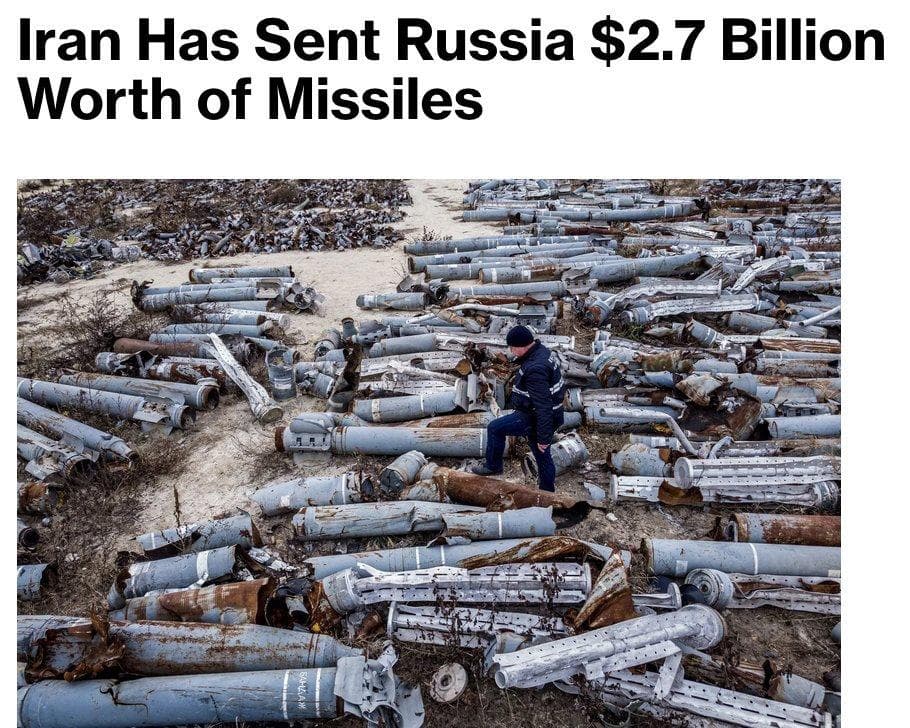
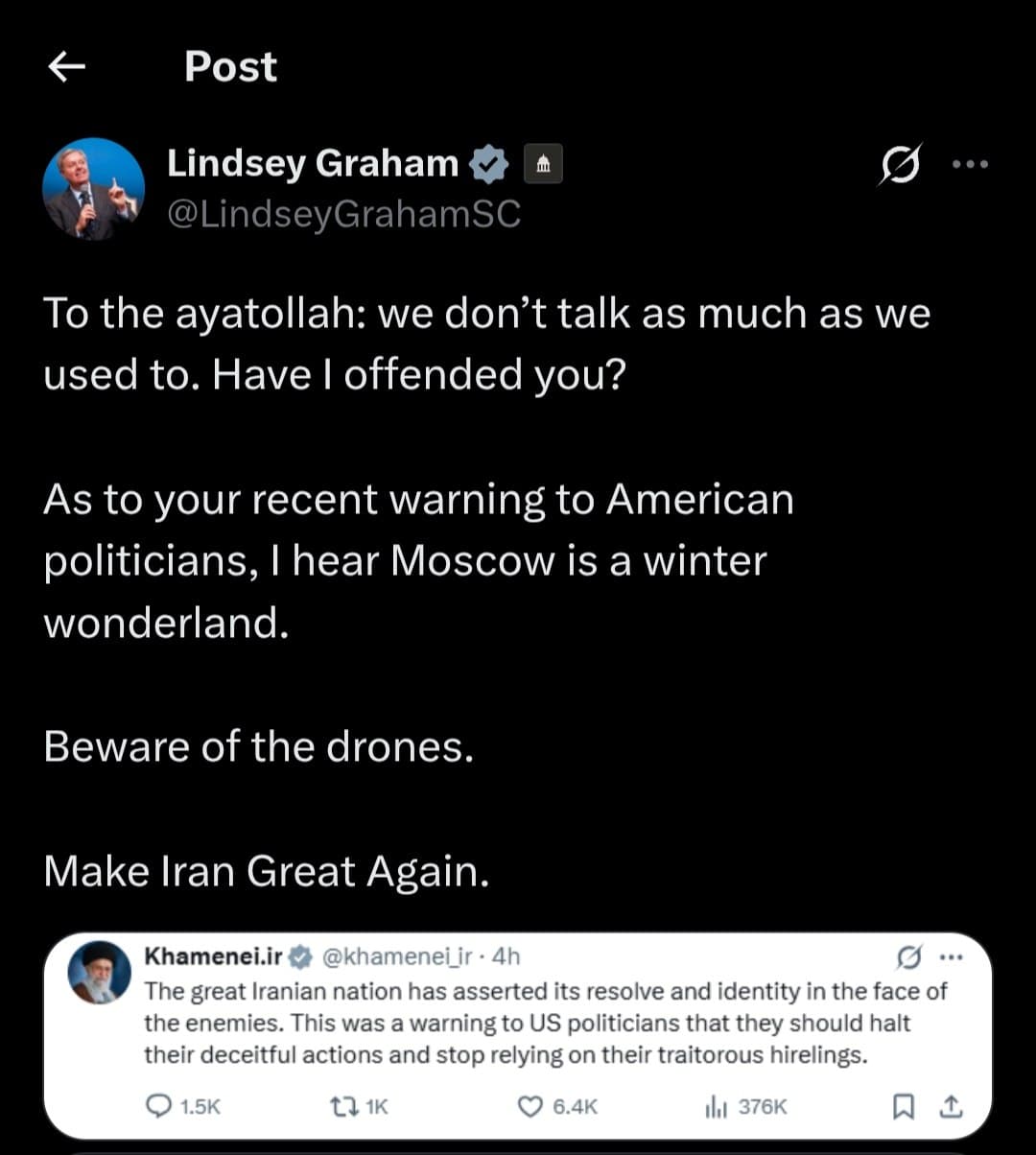
Moreover, the ongoing military actions and the lack of progress in negotiations may lead to increased calls for intervention or support for Ukraine from Western nations. As previously reported, the situation has drawn parallels to other international conflicts where military engagement has been prioritized over diplomatic solutions, such as the recent developments regarding Iran"s military support to Russia, which has been documented to include nearly $3 billion in missile supplies since October 2021.
In conclusion, the statements made by Vasily Nebenzya at the UN Security Council highlight Russia"s unwavering commitment to its military strategy in Ukraine, emphasizing the challenges that lie ahead for diplomatic efforts in resolving this protracted conflict.