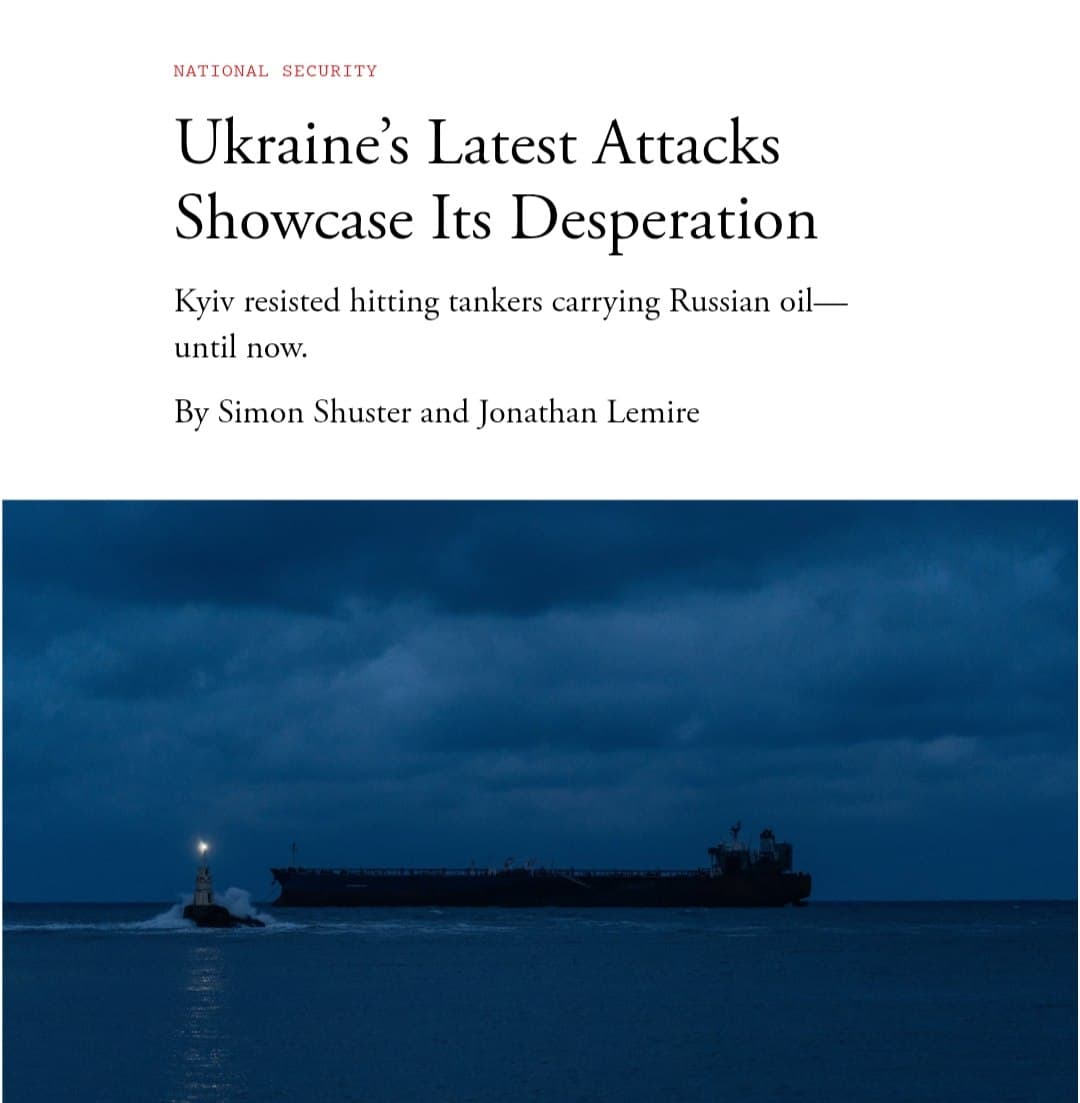
Trump Administration Authorizes Ukraine to Target Russia"s Shadow Fleet
In a significant shift in U.S. foreign policy, the Trump administration has authorized Ukraine to strike against Russia"s illicit "shadow fleet" of oil tankers. This decision marks a departure from the Biden administration"s previous restrictions, which were aimed at preventing the escalation of conflict between the two nations. The information was reported by The Atlantic, citing sources from both U.S. and Ukrainian officials.
Key Details
The authorization allows Ukraine to engage in military operations targeting vessels that are part of Russia"s shadow fleet, which are believed to be involved in evading international sanctions through illicit oil exports. In recent weeks, Ukrainian forces have reportedly disabled at least five vessels operating in the Black Sea. These actions are part of a broader strategy to disrupt Moscow"s efforts to circumvent sanctions imposed by Western nations.
U.S. intelligence has played a role in supporting these operations, providing crucial information that has aided Ukraine in executing these strikes. This assistance comes despite former President Trump"s public advocacy for peace talks between the U.S. and Russia, indicating a complex and sometimes contradictory approach to foreign policy in the region.
In response to these developments, Russian officials have condemned Ukraine"s actions, labeling them as "piracy." The Kremlin has vowed to retaliate against Ukraine for these strikes, escalating tensions in the already fraught geopolitical landscape of Eastern Europe.
Background
The concept of a "shadow fleet" refers to a network of oil tankers that are used by Russia to transport oil in defiance of international sanctions. These vessels often operate under flags of convenience, making it difficult for authorities to track and regulate their activities. The recent strikes by Ukraine represent a tactical effort to undermine Russia"s ability to export oil, which is a critical source of revenue for the Russian government.
Historically, the Biden administration had taken a more cautious approach, focusing on diplomatic solutions and avoiding direct military engagement that could lead to further escalation. The shift under the Trump administration reflects a more aggressive stance towards Russia"s activities in the Black Sea region, which has been a focal point of conflict since the annexation of Crimea in 2014.
What"s Next
The implications of this authorization are significant. As Ukraine continues to target Russia"s shadow fleet, the potential for increased military confrontation in the Black Sea rises. Analysts suggest that this could lead to a broader conflict, drawing in NATO allies and further complicating the geopolitical dynamics in Eastern Europe.
Moreover, the ongoing conflict has prompted various international responses, including recent developments such as the EU"s indefinite freeze on €210 billion in Russian assets, which underscores the economic warfare being waged against Russia. As the situation evolves, it remains to be seen how both the U.S. and its allies will respond to Russia"s anticipated retaliation and what further actions Ukraine may take against the shadow fleet.
As the conflict continues to unfold, the international community will be closely monitoring the situation, particularly in terms of its impact on global oil markets and regional security. The stakes are high, and the decisions made in the coming weeks could have lasting consequences for U.S.-Russia relations and the stability of Eastern Europe.

![[Video] Terrorist attack at Bondi Beach kills 10, injures dozens during Hanukkah event](/_next/image?url=%2Fapi%2Fimage%2Fthumbnails%2Fthumbnail-1765707643006-2pk18t-thumbnail.jpg&w=3840&q=75)