Trump Reiterates U.S. Need for Greenland, Prompting Denmark"s Rebuke
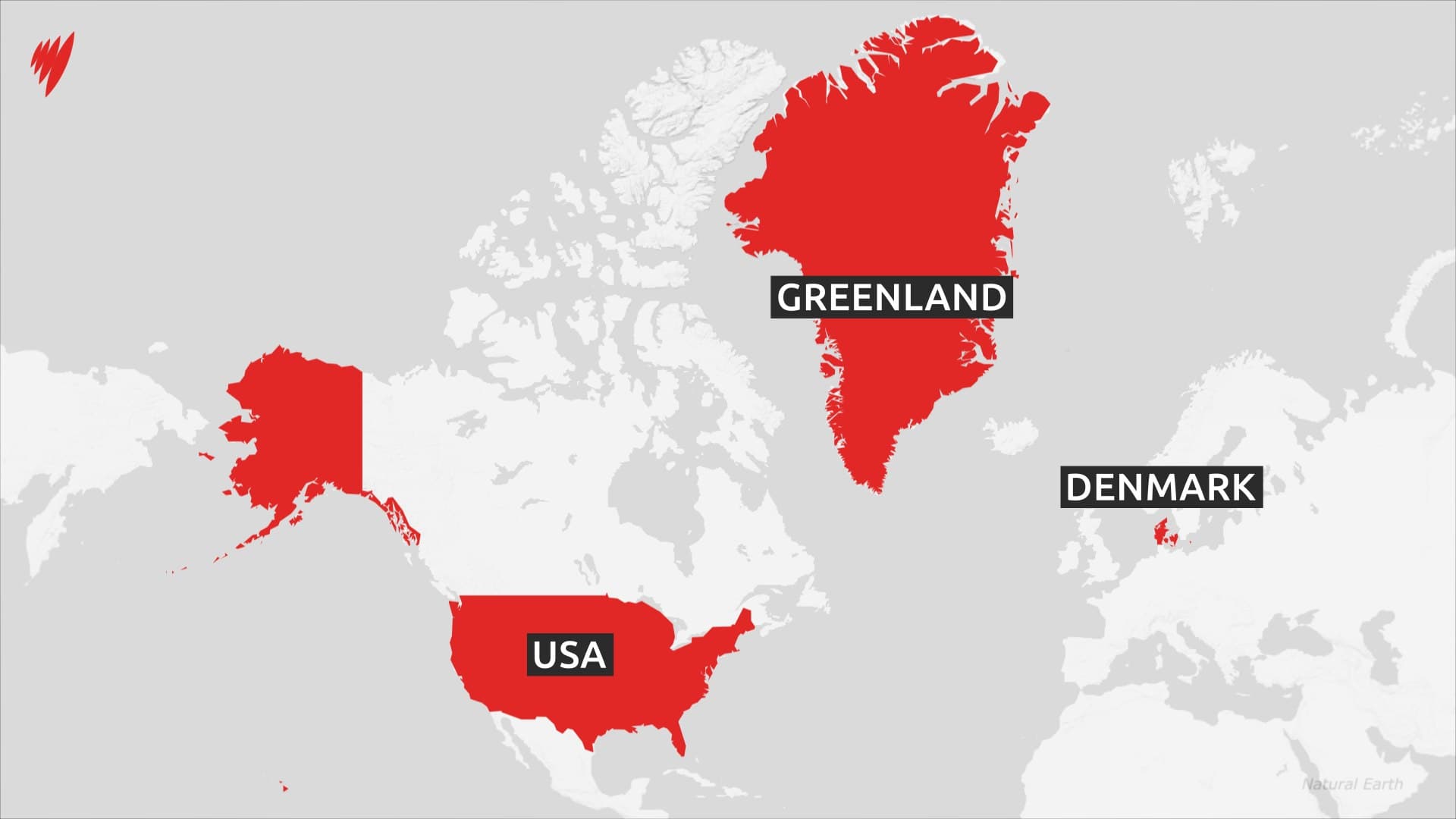
On Sunday, January 5, 2026, President Donald Trump emphasized the United States" strategic interest in Greenland, asserting that the U.S. "needs" the territory for national security purposes. His statement, "We need Greenland... The EU needs us to have Greenland," comes amid heightened tensions regarding the potential annexation of the island, which is an autonomous territory of Denmark. This declaration has sparked significant backlash from both Denmark and Greenland.
Key Details
President Trump’s comments reflect a broader strategy that may involve increasing U.S. influence in Greenland, particularly as the nation approaches significant milestones, including the 250th anniversary of American independence on July 4, 2026, and the upcoming midterm elections in November 2026. Experts suggest that these events could serve as a backdrop for the U.S. to assert its interests in the region.
The geopolitical significance of Greenland has been a topic of discussion for years, particularly due to its strategic location in the Arctic and its potential resources. Greenland is the largest island in the world and is rich in natural resources, including minerals and rare earth elements, which are vital for modern technology and military applications.
Trump"s remarks come in the wake of renewed threats of annexation, a topic that has previously caused diplomatic friction between the United States and Denmark. In 2019, Trump famously expressed interest in purchasing Greenland, a proposal that was met with ridicule and outright rejection by Danish officials. The current administration"s rhetoric suggests a continued interest in asserting U.S. influence over the territory, which has raised concerns among Danish leaders and the Greenlandic government.
Background
The relationship between the United States and Greenland has historical roots, dating back to World War II when the U.S. established military bases on the island. Today, Greenland operates under a self-governing arrangement, but Denmark retains control over foreign affairs and defense. The island"s strategic location has made it a focal point for military interests, especially in light of increasing Arctic activity from Russia and China.
In recent years, the Arctic has become an area of intense geopolitical competition, with nations vying for control over shipping routes and natural resources as climate change opens up previously inaccessible areas. The U.S. has been keen to maintain its presence in the region, and Trump"s statements indicate a desire to strengthen that position.
What"s Next
As the U.S. approaches key national events, the implications of Trump"s statements regarding Greenland could lead to further diplomatic tensions with Denmark and Greenland. The potential for increased U.S. military presence or economic investment in Greenland could be on the horizon, particularly if the administration seeks to leverage its interests in the region ahead of the 250th anniversary of American independence.
Moreover, the political landscape in the U.S. may influence how the administration navigates its relationship with Denmark and Greenland. With the midterm elections approaching, the administration may use foreign policy maneuvers to bolster its standing domestically, potentially framing the acquisition of influence in Greenland as a matter of national security and economic opportunity.
For more information on related geopolitical developments, see our coverage on recent developments in Venezuela and Trump"s warnings to Russia and Iran.