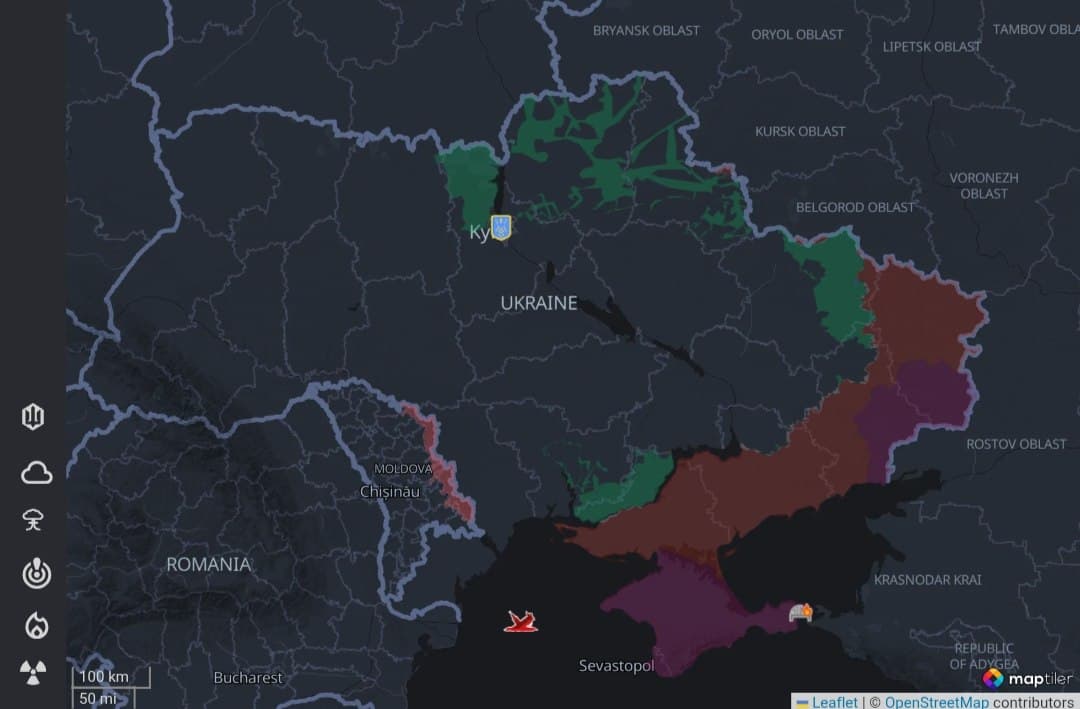
Ukraine War Update: Areas of Control in Ongoing Russo-Ukrainian Conflict
As of December 31, 2025, the Russo-Ukrainian conflict, which began in 2014, has escalated into a full-scale war since February 2022, following Russia"s declaration of a "Special Military Operation." This conflict has drawn significant international attention and involvement, with Ukraine receiving support from various global entities while Russia has aligned itself with a select group of allies.
Key Details
The conflict between Ukraine and Russia has been ongoing for over a decade, with the initial tensions arising from Russia"s annexation of Crimea in 2014. The situation intensified dramatically in February 2022 when Russia launched a large-scale military invasion of Ukraine, officially termed a "Special Military Operation" by the Russian government. This declaration marked a significant escalation in hostilities and has led to widespread devastation and humanitarian crises across the region.
Ukraine, officially known as the Republic of Ukraine, has garnered substantial support from the European Union (EU) and the North Atlantic Treaty Organization (NATO), along with its allies. This backing has included military aid, economic sanctions against Russia, and diplomatic efforts aimed at resolving the conflict. The EU has been instrumental in providing financial assistance and humanitarian support to Ukraine, while NATO has reinforced its eastern flank in response to the Russian aggression.
On the opposing side, the Russian Federation has received support from several key allies, including the Republic of Belarus, the Democratic People"s Republic of Korea (DPRK), commonly known as North Korea, and the Islamic Republic of Iran. These nations have provided various forms of assistance, ranging from military supplies to political backing, thereby complicating the geopolitical landscape of the conflict.
Background
The Russo-Ukrainian conflict has its roots in a complex history of political, cultural, and territorial disputes. The annexation of Crimea in 2014 was a pivotal moment that led to the ongoing conflict, with Russia claiming the region following a disputed referendum. Since then, fighting has erupted in eastern Ukraine, particularly in the Donetsk and Luhansk regions, where pro-Russian separatists have declared independence.
In the years following the annexation, various ceasefire agreements have been attempted, but none have resulted in a lasting peace. The situation has been further exacerbated by Russia"s military buildup along Ukraine"s borders and its subsequent invasion in 2022, which has drawn widespread condemnation from the international community.
What"s Next
The future of the Russo-Ukrainian conflict remains uncertain as both sides continue to engage in military operations. The international community is closely monitoring the situation, with ongoing discussions about potential diplomatic solutions. The involvement of external allies on both sides suggests that the conflict may continue to evolve, with implications for regional stability and international relations.
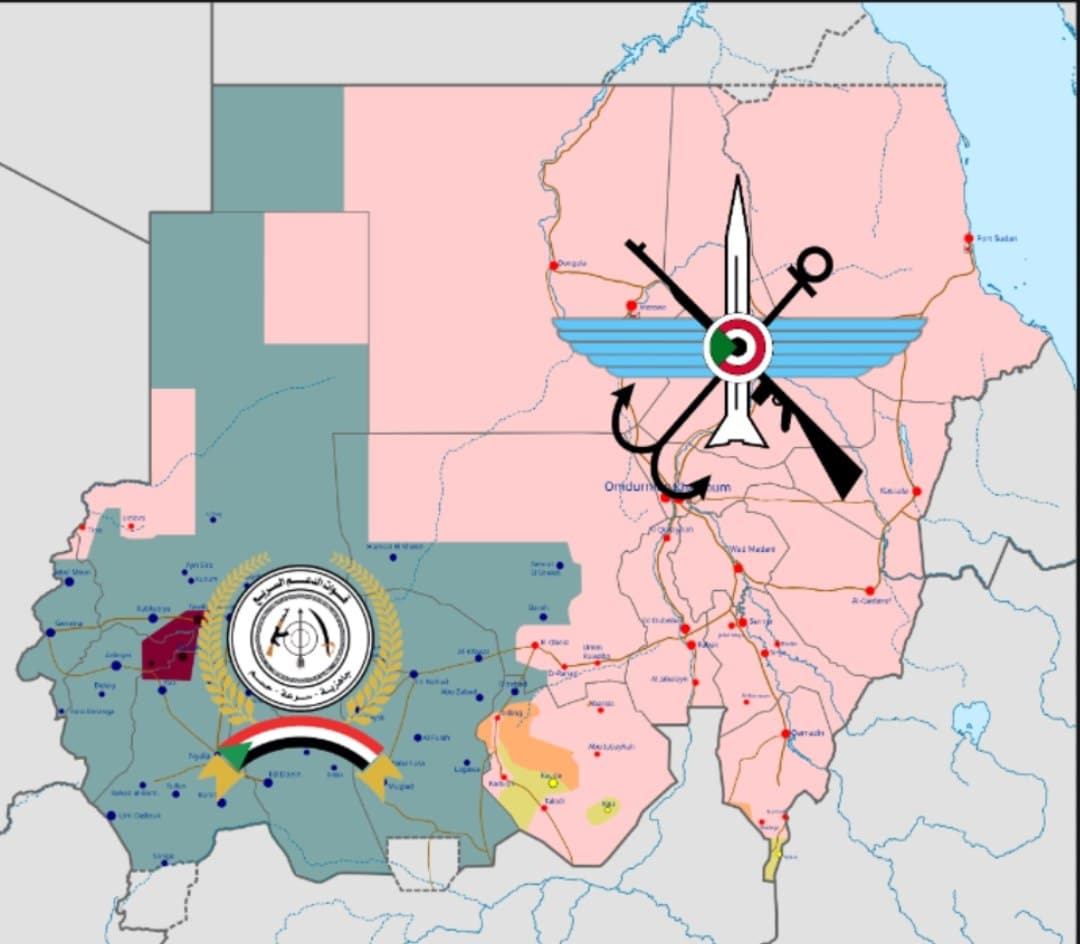
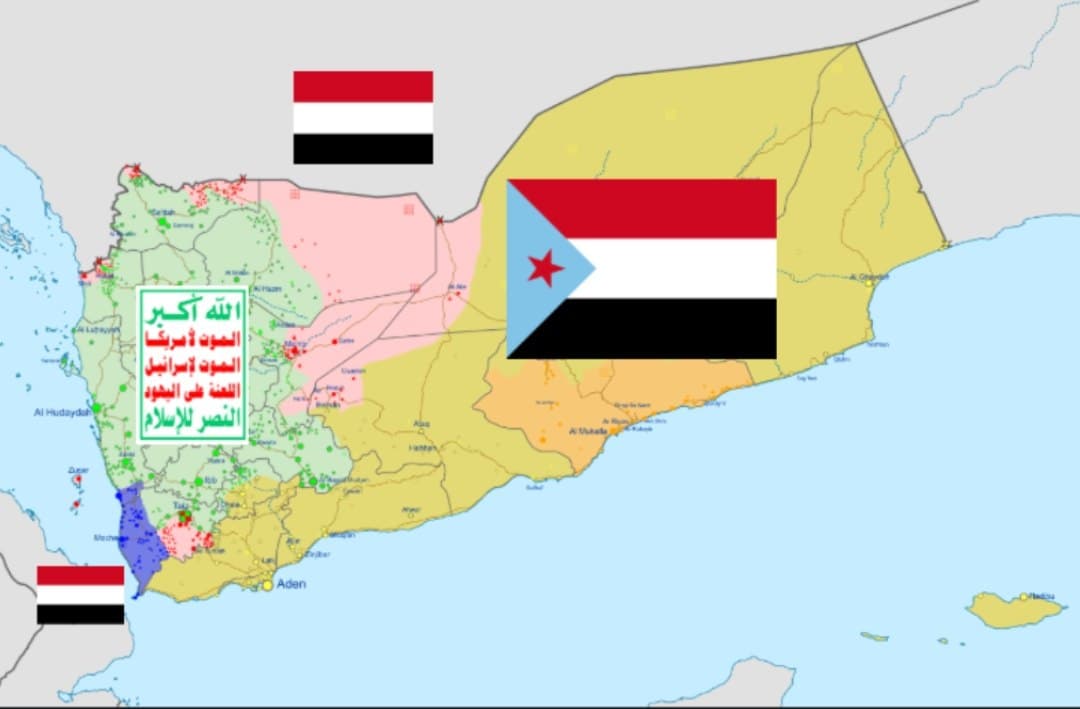
For those interested in related coverage, further insights can be found in our articles on recent developments in Sudan and the Yemen Civil War, which highlight similar situations of conflict and areas of control.