U.S. Boarding of Panama-Flagged Ship Centuries Raises Legal Questions
On December 20, 2025, the United States Coast Guard boarded and seized the Panama-flagged oil tanker Centuries, raising significant legal and diplomatic questions regarding the authority and legality of such actions. The vessel, which is owned by a Hong Kong-based company, has a history of transporting sanctioned cargo and engaging in questionable maritime practices, including ship-to-ship transfers at sea.Key Details
The Centuries, identified by its International Maritime Organization (IMO) number 9206310, is registered under the flag of Panama. Despite its valid registration, the ship"s legal status is complicated by its past activities. Notably, it has previously transported cargo that was sanctioned by the U.S. government and has been involved in ship-to-ship transfers that have raised eyebrows among maritime authorities. The vessel arrived from Singapore and began to exhibit suspicious behavior by spoofing its Automatic Identification System (AIS) on November 24, 2025, while off the northern coast of Brazil. This action is often associated with attempts to conceal a ship"s true location and activities. On December 9, 2025, the Centuries loaded approximately 1.7 million barrels of Merey crude oil at the Jose Terminal in Venezuela, an action that directly violates U.S. sanctions. The U.S. government has been actively targeting vessels involved in the transportation of Venezuelan oil, which is subject to strict sanctions due to the political and economic situation in Venezuela. The Centuries is classified under Overseas Marine and has insurance coverage from the American Steamship Owners Mutual Protection and Indemnity Association (P&I) that is valid until November 2024. However, the clarity of this insurance coverage remains uncertain, which could complicate any legal proceedings related to the ship"s seizure. According to Article 110 (d) of the United Nations Convention on the Law of the Sea (UNCLOS), the U.S. may not have the authority to board the Centuries due to its valid registration under Panama. This raises questions about whether the U.S. obtained the necessary permission from the Panamanian government to board and potentially seize the vessel. Sal Mercogliano, a maritime expert, has highlighted these legal ambiguities, indicating that the U.S. government"s actions could lead to diplomatic tensions with Panama and other nations involved in maritime law.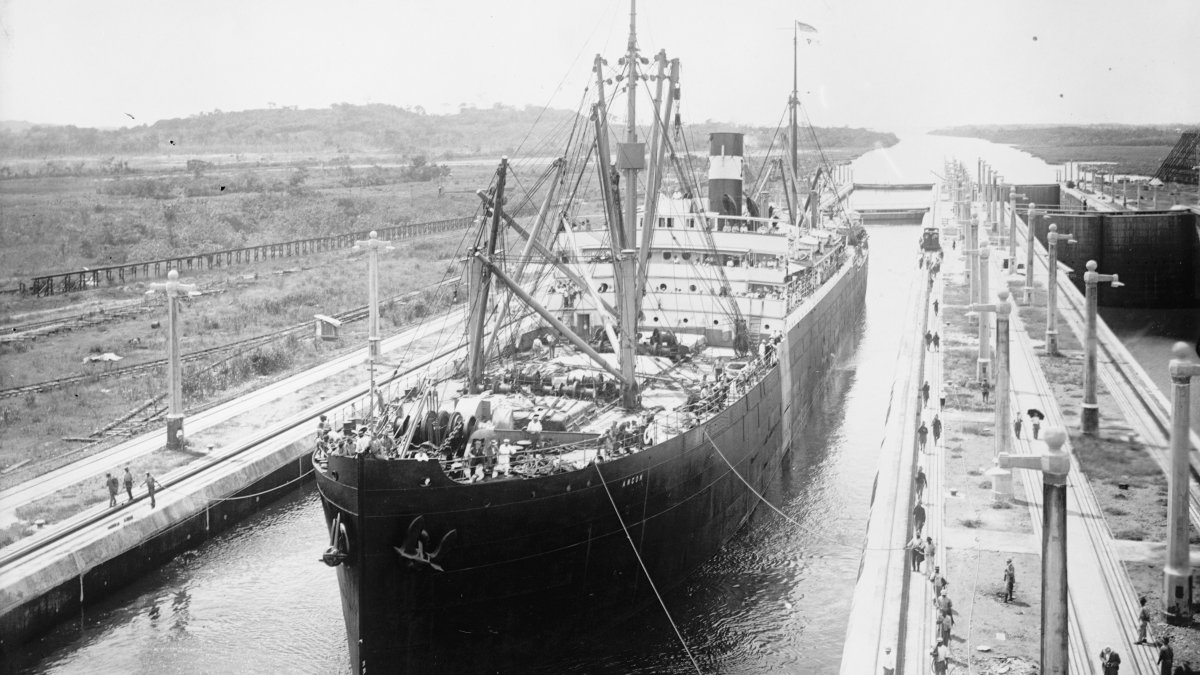
Image for U.S. boarding of Panama-flagged ship Centuries raises legal questions
Background
The boarding of the Centuries is part of a broader U.S. initiative to clamp down on maritime activities that support the Venezuelan oil industry, which has been heavily sanctioned in response to the country"s political crisis. The U.S. Coast Guard has previously seized vessels linked to Venezuelan oil, as seen in recent developments regarding similar situations. The legal framework governing such actions is complex, involving international maritime law and the specific terms of sanctions imposed by the U.S. government. The situation surrounding the Centuries is emblematic of the challenges faced by international maritime operations in a politically charged environment.What"s Next
As the U.S. expands its program against tankers servicing Venezuela, the implications of the Centuries" seizure could resonate beyond the immediate legal questions. The potential for diplomatic fallout with Panama and other nations involved in maritime law enforcement is significant. Additionally, the case may set a precedent for future actions against vessels suspected of violating U.S. sanctions. The U.S. Coast Guard"s actions will likely be scrutinized by legal experts and international observers, as the balance between enforcing sanctions and respecting international maritime law continues to be a contentious issue. The outcome of this situation could influence how similar cases are handled in the future and may lead to further clarification of the legal parameters surrounding maritime seizures. In conclusion, the boarding of the Centuries not only raises immediate legal questions but also highlights the ongoing complexities of international maritime operations amidst geopolitical tensions. As the situation develops, further insights into the U.S. government"s approach to maritime law enforcement will be closely monitored by stakeholders around the globe.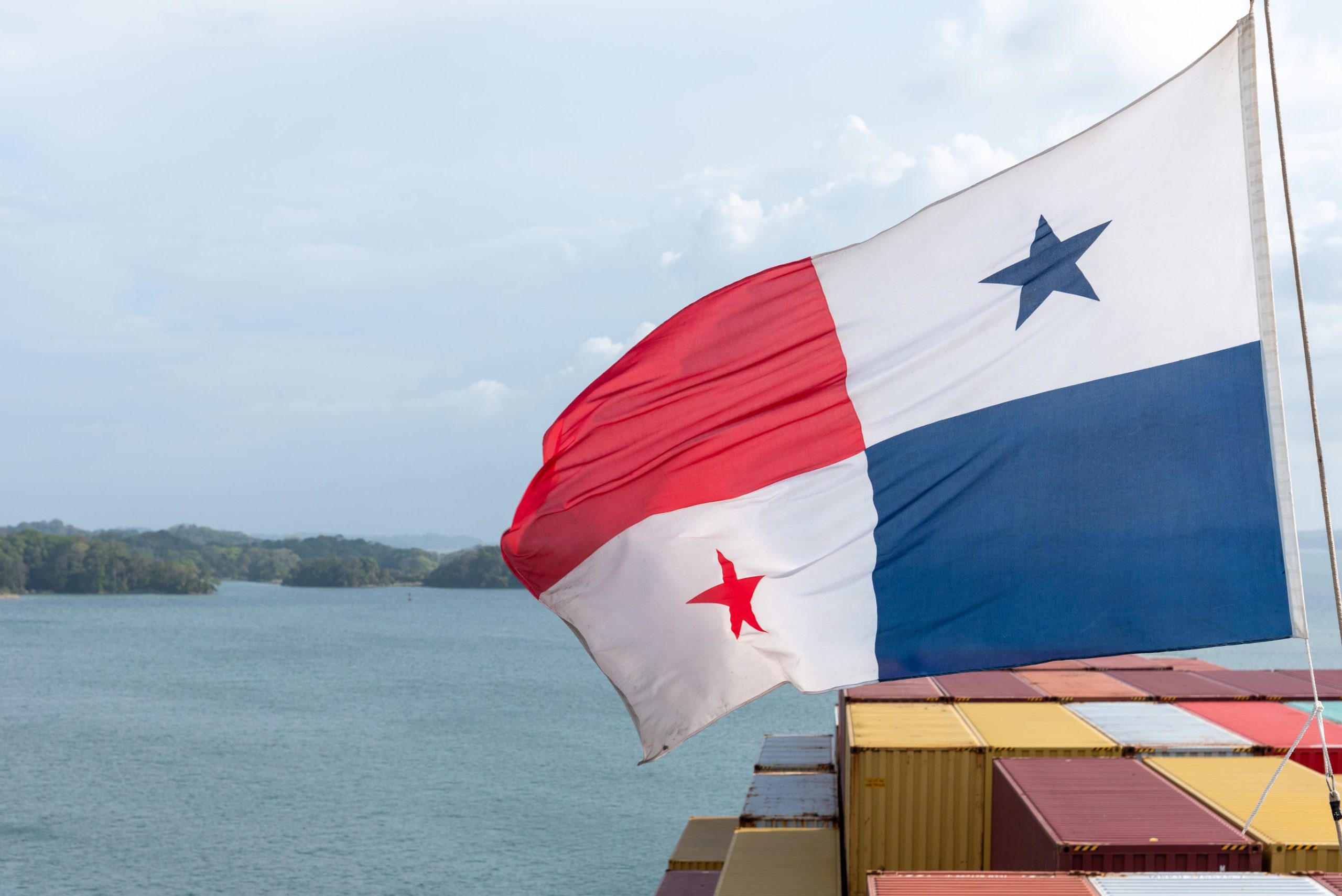
Image for U.S. boarding of Panama-flagged ship Centuries raises legal questions
![[Video] U.S. Coast Guard seizes oil tanker last docked in Venezuela](/_next/image?url=%2Fapi%2Fimage%2Fthumbnails%2Fthumbnail-1766268127598-k1o5go-thumbnail.jpg&w=3840&q=75)
![[Video] US Coast Guard apprehends oil tanker last docked in Venezuela](/_next/image?url=%2Fapi%2Fimage%2Fthumbnails%2Fthumbnail-1766266889038-8w6bo8-thumbnail.jpg&w=3840&q=75)