U.S. Military Retaliation Against ISIS in Syria to Target Key Infrastructure
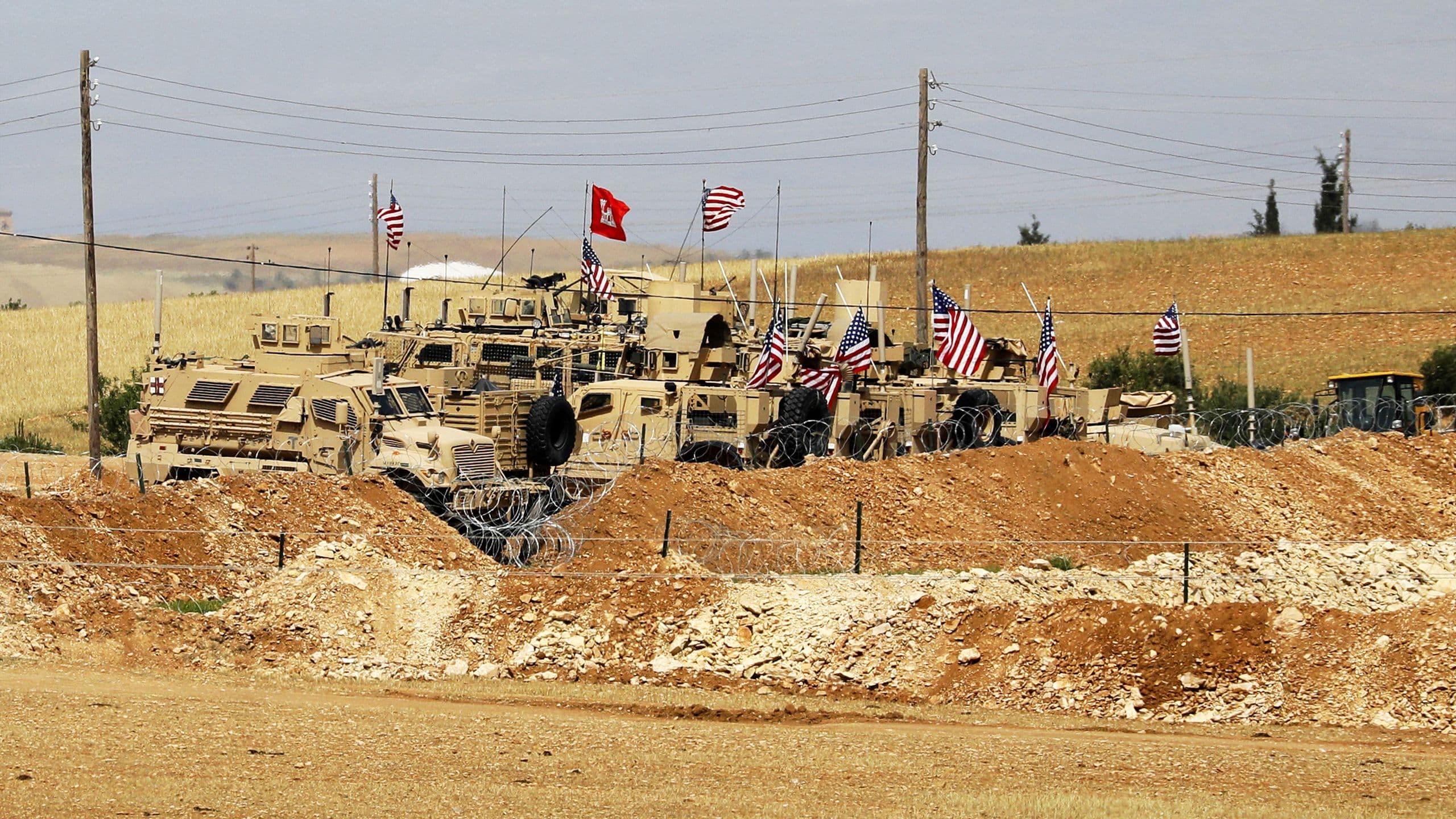
In a decisive response to a recent threat issued by President Donald Trump, the United States is preparing for potential military retaliation against the Islamic State (ISIS) in Syria. This operation aims to disrupt the group"s critical logistical and operational infrastructure throughout the country. The planned military actions are a direct consequence of escalating tensions following an attack in Palmyra, Syria, that resulted in the deaths of three American personnel.
Key Details
President Trump’s administration has signaled a strategic shift in its approach to combating ISIS, particularly in light of the recent attack. The military response is expected to focus on two primary areas: supply lines and leadership nodes.
Supply Lines & Smuggling Routes: The U.S. military is likely to conduct precision strikes aimed at severing vital smuggling corridors used by ISIS. These corridors, located in the desert and river valleys of eastern Syria, are essential for the movement of weapons, fighters, and illicit oil. The disruption of these supply lines is critical to undermining ISIS"s operational capabilities and financial resources.
Leadership & Command Nodes: Another focal point of the military operations will be high-value targets within ISIS. This includes senior facilitators, communications hubs, and mobile headquarters situated in remote areas of the Syrian desert, specifically in the Badia region. Targeting these command nodes is intended to dismantle the organizational structure of ISIS and disrupt their ability to coordinate attacks.
Background
The decision to retaliate comes in the wake of a deadly incident in Palmyra, where three Americans were killed. This attack has intensified the urgency for the U.S. to take action against ISIS, which has continued to pose a significant threat in the region. The U.S. military has been involved in operations against ISIS since its resurgence in Syria and Iraq, and this latest development marks a continuation of its commitment to combat terrorism in the Middle East.
As previously reported, President Trump vowed retaliation against ISIS following the attack, emphasizing the need for a robust response to ensure the safety of American personnel and to deter future threats from the group. The U.S. has consistently aimed to weaken ISIS through targeted military actions, and this planned retaliation aligns with that ongoing strategy.
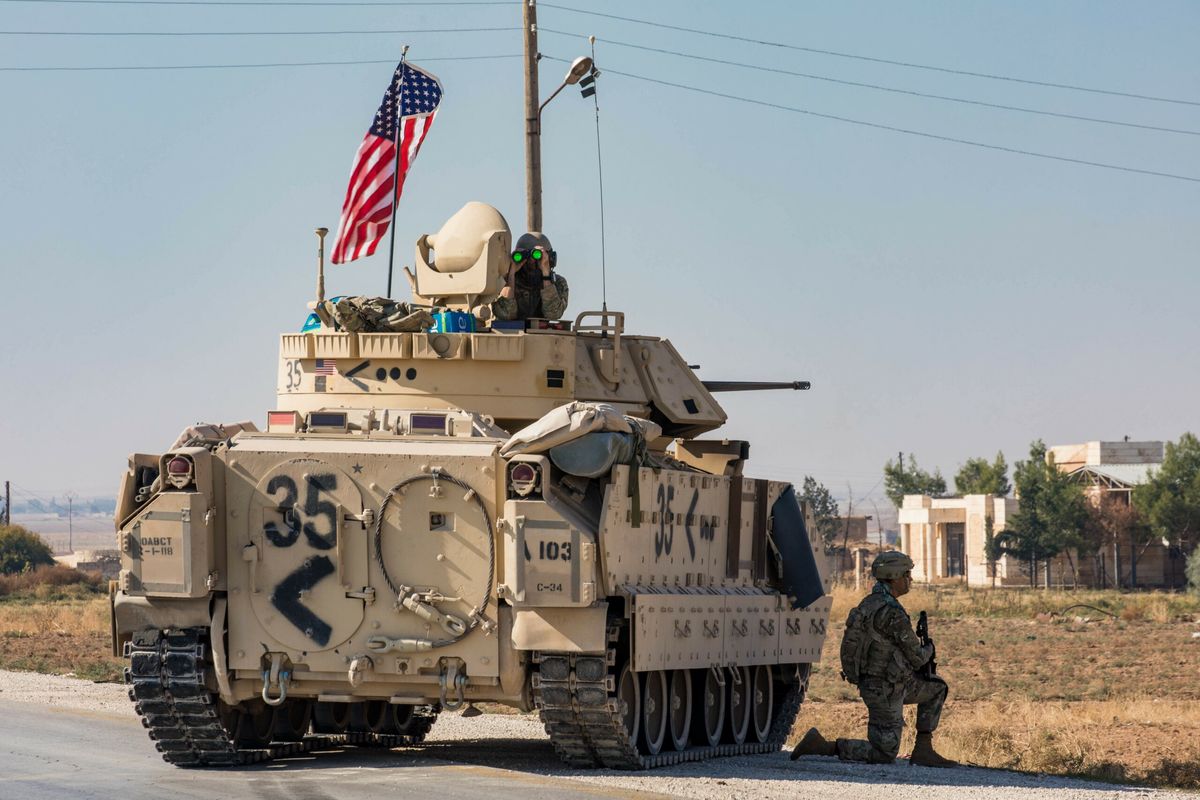
Image for U.S. military retaliation against ISIS in Syria to target key infrastructure
What"s Next
The implications of this military response could be significant for both the U.S. and the broader region. By targeting ISIS"s infrastructure, the U.S. aims to diminish the group"s operational capabilities and reduce its influence in Syria. However, such military actions may also escalate tensions in the region, potentially leading to further conflict.
As the situation develops, the U.S. military"s actions will be closely monitored, and further details regarding the specific operations and their outcomes will likely emerge. The international community is watching closely, as the fight against ISIS remains a critical issue for global security.
For more information on the context of this military response, see recent developments regarding President Trump"s statements and the implications of the attack in Palmyra.


![[Video] Terrorist attack at Bondi Beach kills 10, injures dozens during Hanukkah event](/_next/image?url=%2Fapi%2Fimage%2Fthumbnails%2Fthumbnail-1765707643006-2pk18t-thumbnail.jpg&w=3840&q=75)