By Michael Thompson
Date: January 5, 2026
U.S. oil companies are exhibiting significant hesitation in investing in Venezuela, driven by concerns that the situation may mirror the protracted challenges faced by the oil industry in Iraq. The prospect of lengthy timelines for financial and drilling returns has made U.S. firms cautious about entering the Venezuelan market.
Key Details
Despite the recent capture of Venezuelan President Nicolás Maduro, the underlying cartel networks remain intact. This situation raises questions about the new leadership"s willingness to accommodate U.S. demands regarding oil production and governance. The U.S. government is reportedly uncertain whether regime change in Venezuela would yield beneficial outcomes. A failed state in close proximity to the United States could potentially lead to increased security threats across the Caribbean region.
In recent months, the U.S. has been actively targeting vessels associated with drug trafficking, with operations expected to continue indefinitely. These military actions could persist for years, reflecting a long-term commitment to addressing the drug trade emanating from Venezuela.
Historically, the Iraq War enjoyed a 76% approval rating shortly after its initiation. However, as the conflict extended from weeks into years, public sentiment shifted dramatically. The swift capture of Maduro may initially boost approval ratings for U.S. military actions, but there are concerns that the situation could evolve into a prolonged engagement, complicating the initial narrative of a quick resolution.
Notably, the majority of illicit drugs entering the U.S. are transported via Chinese vessels to American ports, raising questions about the effectiveness of smaller speedboats attempting to evade law enforcement. This highlights the complexity of the drug trafficking issue and the challenges faced by U.S. authorities in combating it.
The ongoing situation in Venezuela may necessitate the involvement of an Organization of American States (OAS) coalition, comprising regional militaries, to effectively manage the crisis. The opposition in Venezuela has been sidelined due to low expectations regarding their ability to influence the political landscape, further complicating the prospects for a stable transition.
Former President Donald Trump"s approach to Venezuela has been influenced by his personal views on both Maduro and opposition leader María Corina Machado. The lack of adherence to international law in this context has transformed the Venezuelan crisis into a domestic issue for the U.S., with potential implications for the judicial system that could affect Maduro"s legal standing.
In conclusion, the situation in Venezuela remains fluid and complex. The recent developments may signify the end of the beginning of a longer struggle, as the U.S. navigates its interests in the region amidst ongoing challenges.
Background
The geopolitical landscape surrounding Venezuela has been tumultuous, particularly in light of its vast oil reserves and the ongoing economic crisis. The U.S. has historically been involved in Venezuelan affairs, particularly concerning oil production and drug trafficking. The capture of Maduro, while significant, has not resolved the underlying issues that plague the country.
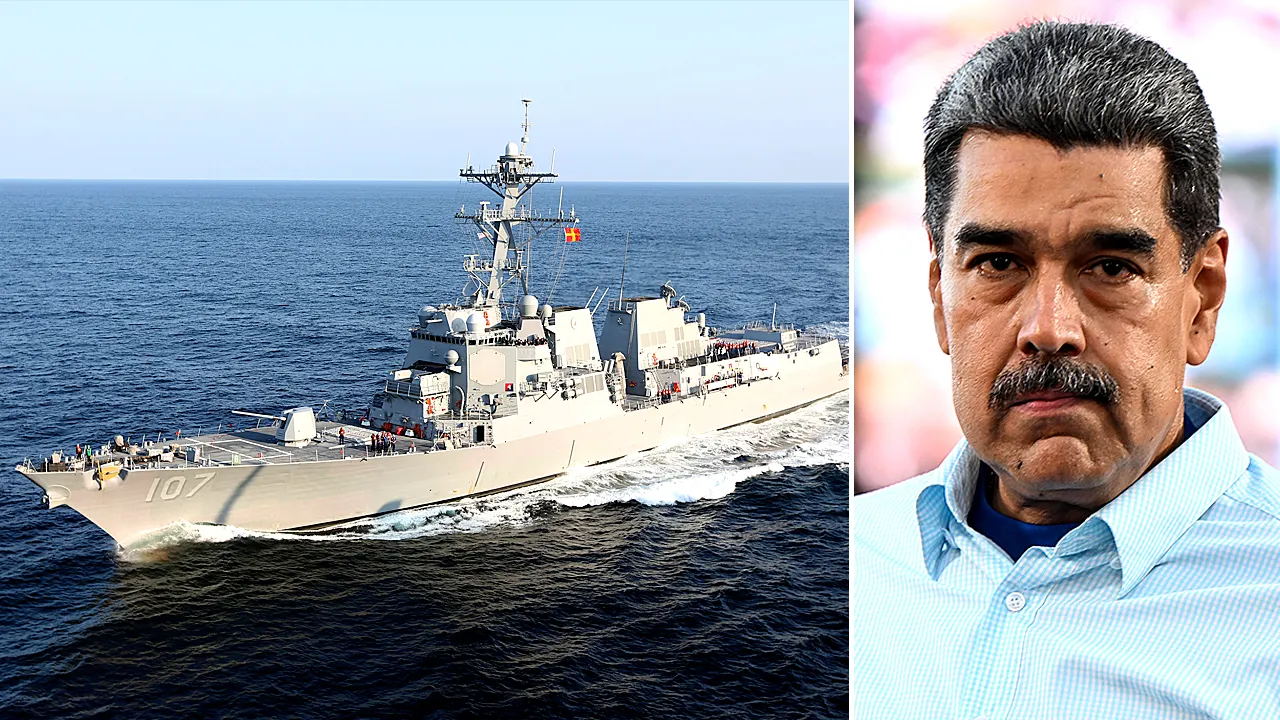
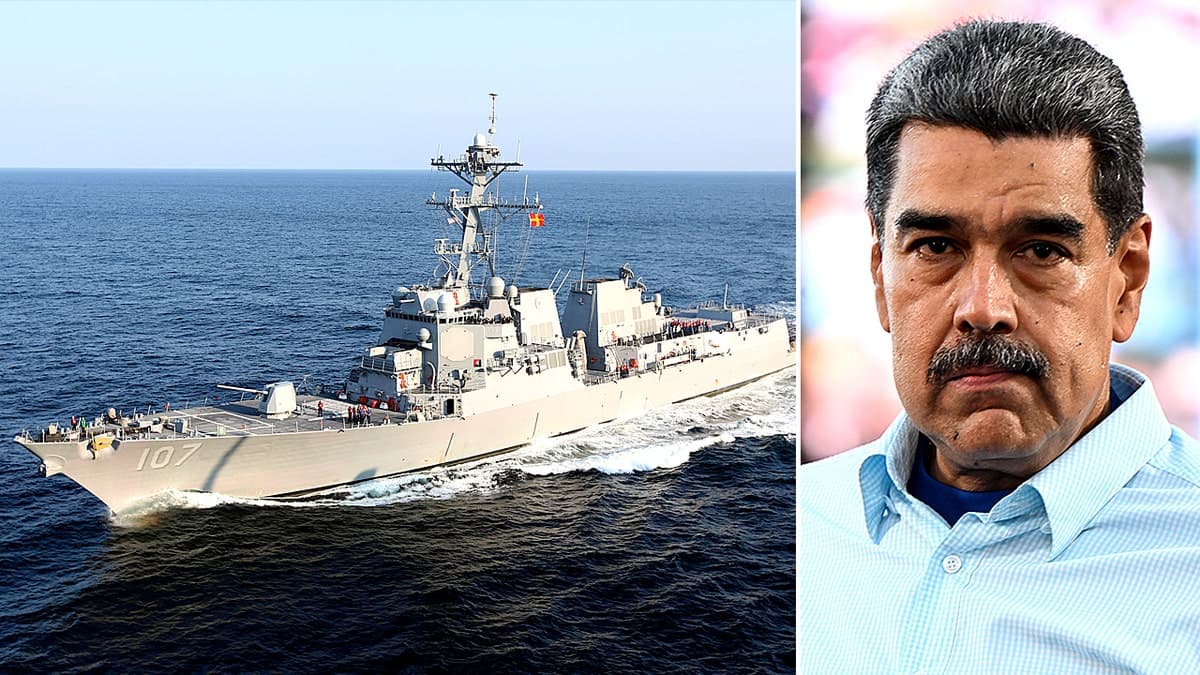
Image for US oil companies hesitant to invest in Venezuela amid regime change concerns
What"s Next
The future of U.S. involvement in Venezuela remains uncertain. As previously reported, the dynamics of the situation could evolve, necessitating a reevaluation of strategies and potential military involvement. The U.S. must consider the implications of a failed state in its vicinity and the potential for increased instability in the Caribbean region.
For more on related coverage, see PDVSA announces shutdown of oil production in Venezuela.