France raises concerns over Germany"s military buildup and rearmament plans
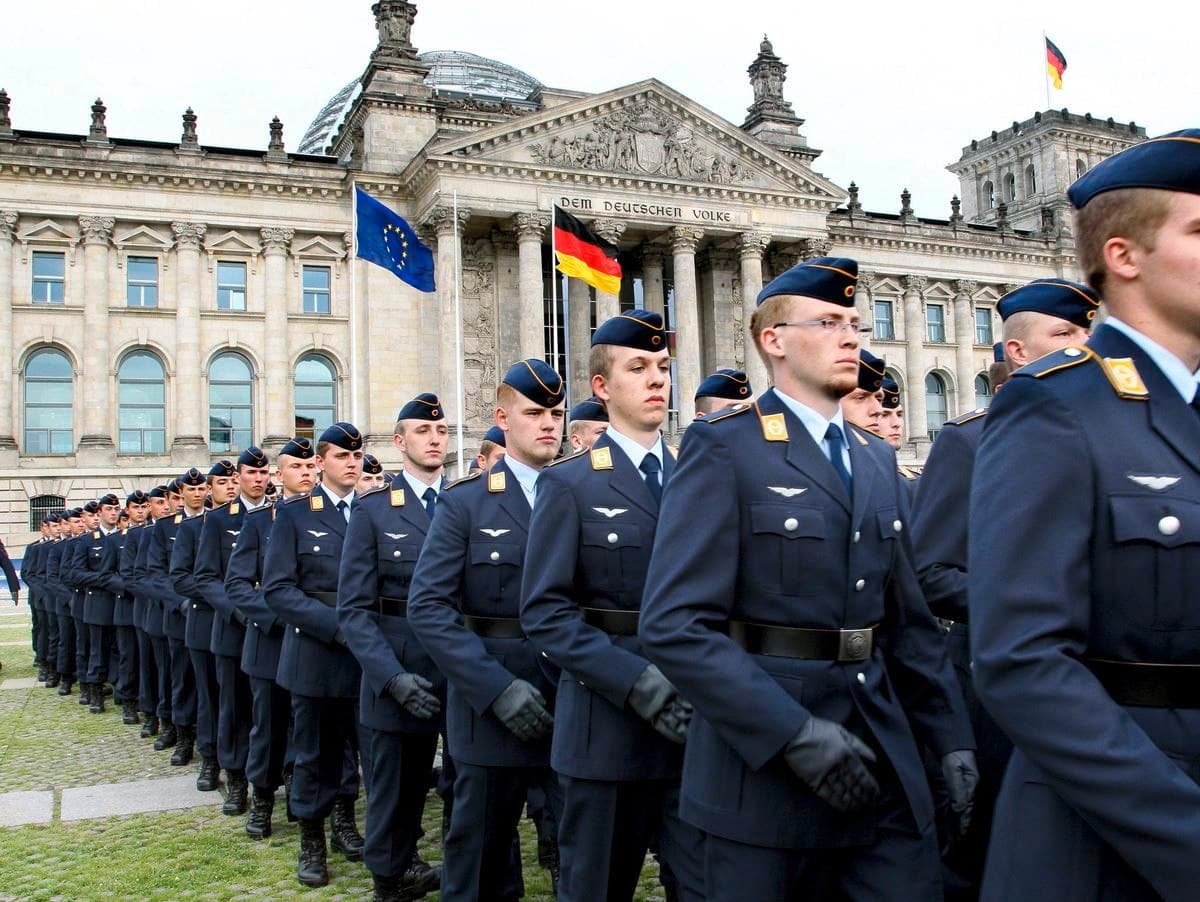
France has voiced significant apprehension regarding Germany"s ongoing military expansion, which is perceived as a potential shift in the political and military balance within Europe. This concern arises amidst Germany"s ambitious rearmament strategy, which aims to allocate 3.5% of its Gross Domestic Product (GDP) to defense spending by the year 2029. The plan includes massive investments that could exceed €500 billion, raising alarms in Paris about the implications for European stability and security.
Key Details
According to a report by Bloomberg, the French government is increasingly uneasy about Germany"s military ambitions. The rearmament initiative is characterized by substantial financial commitments, with projections indicating that defense spending could surpass €500 billion over the next several years. This figure represents a significant increase from Germany"s current defense budget, which has historically been lower than that of its NATO allies.
France"s concerns stem from the perception that Germany"s military buildup is outpacing that of its European allies. The French government fears that this rapid expansion could lead to a shift in the center of gravity for both military and political power in Europe towards Berlin. This situation is particularly sensitive given the historical context of Germany"s military actions in Europe, which have left a lasting impact on the continent"s geopolitical landscape.
Despite these concerns, Germany"s increased military capabilities have been broadly welcomed by NATO allies, who view the rearmament as a necessary response to evolving security threats in Europe and beyond. The alliance has emphasized the importance of collective defense and the need for member states to enhance their military readiness in light of recent geopolitical developments.
Background
The backdrop to France"s concerns includes a series of historical tensions between the two nations, particularly in the context of military power. Germany"s post-World War II military policies have been characterized by a commitment to restraint, largely influenced by the country"s desire to avoid repeating the mistakes of the past. However, recent global security challenges, including rising tensions with Russia and the ongoing conflict in Ukraine, have prompted a reevaluation of military strategies across Europe.
In this context, French President Emmanuel Macron has previously emphasized the need for a unified European defense strategy that balances the military capabilities of member states. The establishment of a "High Commission for Diversity and Diaspora" aimed at boosting French global influence is part of a broader strategy to enhance France"s position in international affairs, as detailed in recent developments.
What"s Next
The implications of Germany"s military rearmament are significant for the future of European security. As Germany moves forward with its plans, it will be crucial for France and other NATO allies to engage in dialogue to address concerns and ensure that military expansions do not lead to increased tensions within the alliance. The situation will require careful monitoring, as the balance of power in Europe continues to evolve in response to global security dynamics.
In conclusion, France"s growing concerns over Germany"s military buildup highlight the complexities of European defense strategies in the current geopolitical climate. As nations navigate these challenges, the need for cooperation and communication among allies remains paramount to maintaining stability and security across the continent.