Netanyahu to Visit Trump on December 29 to Request US Air Campaign Against Iran
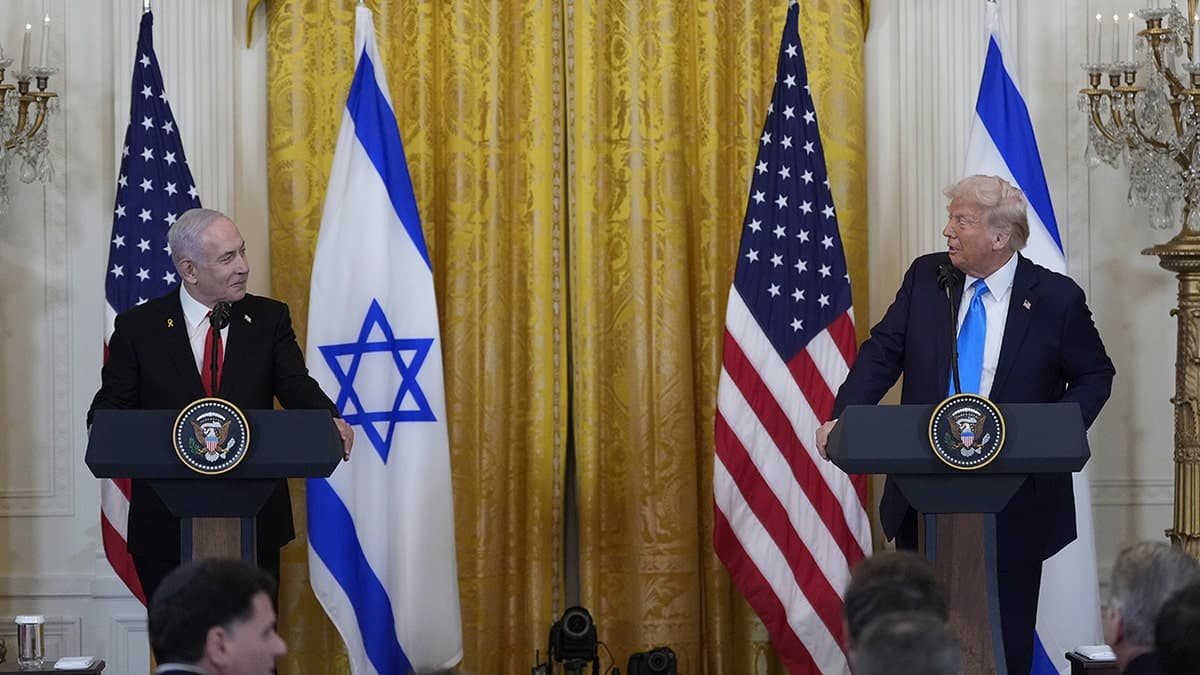
Israeli Prime Minister Benjamin Netanyahu is set to meet with U.S. President Donald Trump for the fifth time this year on December 29, 2025. During this visit, Netanyahu is expected to request U.S. involvement in a second air campaign aimed at Iran, specifically targeting the country"s ballistic missile arsenal.
Key Details
This upcoming meeting follows a series of significant military and diplomatic developments in the region. Netanyahu"s request for U.S. air support is seen as a direct consequence of the recent 12-day conflict known as the War, which has complicated nuclear diplomacy with Iran. The Israeli government continues to pursue a strategy aimed at achieving a comprehensive and strategic defeat of Iran, which includes military operations against Iranian proxies and missile capabilities.
Israel"s objectives include compelling the disarmament of Hezbollah, a militant group based in Lebanon, and the Popular Mobilization Forces in Iraq. The Israeli leadership aims to deliver a decisive blow to Iran"s capacity to launch ballistic missile strikes against Israel. This strategy is part of a broader three-pronged plan to dismantle Iran"s military capabilities, which encompasses its nuclear stockpile, proxy network, and missile arsenal.
In 2023 and 2024, Israel reportedly succeeded in crippling Hamas and Hezbollah, and there are indications that Israeli forces ousted Syrian President Bashar al-Assad from power. By 2025, Israeli operations are expected to render key Iranian nuclear facilities, such as Natanz and Fordow, inoperable. This systematic approach aims to dismantle Iran"s proxy network and destroy its missile-building capacity, which would leave Iran vulnerable to potential Israeli military actions, including decapitation strikes or covert regime change efforts.
Background
The backdrop of Netanyahu"s upcoming visit is characterized by heightened tensions in the Middle East, particularly concerning Iran"s nuclear ambitions and its support for militant groups across the region. The Israeli government has long viewed Iran as a primary threat to its national security, prompting a series of military operations and diplomatic initiatives aimed at countering Iranian influence.
In previous reports, Israel has been involved in various military actions aimed at neutralizing threats from Iranian proxies, which have included airstrikes in Syria and operations against Hezbollah. The situation remains fluid, with ongoing developments that could impact regional stability and U.S. foreign policy in the Middle East.
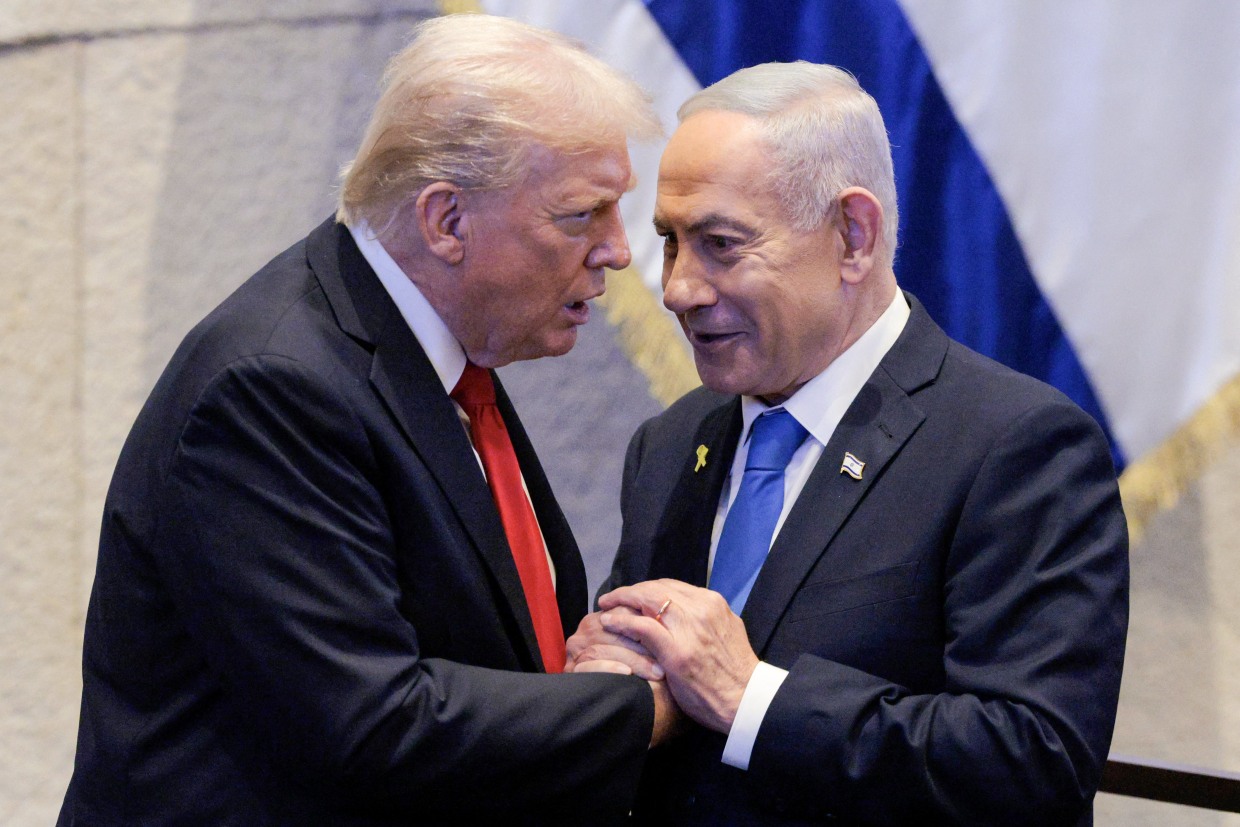
Image for Netanyahu to visit Trump on December 29 to request US air campaign against Iran
What"s Next
As Netanyahu prepares for his meeting with Trump, the implications of this request for U.S. military involvement could be significant. Should the U.S. agree to participate in an air campaign against Iran, it would mark a substantial escalation in the ongoing conflict and could reshape the dynamics of U.S.-Iran relations.
Furthermore, the outcome of this meeting may influence Israel"s future military strategy and its approach to dealing with Iranian threats. The Israeli government is likely to continue its efforts to dismantle Iran"s military capabilities, as outlined in its strategic plan, which aims to ensure Israel"s security in an increasingly volatile region.
For more information on related developments, see our coverage on Israel"s plans to annex southern Lebanon, Syria, Gaza, and the West Bank and warnings received by the Iraqi government regarding imminent Israeli military strikes.

![[Video] Swedish Customs and Security Service board Russian ship Adler in Höganäs](/_next/image?url=%2Fapi%2Fimage%2Fthumbnails%2Fthumbnail-1766332848384-ioseka-thumbnail.jpg&w=3840&q=75)